Ski & Snowboard,
Gear Guides
Dec 31, 2025
Why Your Ski Goggles and Helmet Should Be Chosen Together
Seeing Better on Snow Starts With the System
Most skiers and snowboarders put their energy into the big decisions first. Choosing skis or a board. Dialing in boots that feel right. Matching bindings to how you ride. Goggles and helmets usually come later, picked quickly and often separately.
But if you have ever battled fog on a storm day, felt pressure across your forehead, noticed goggle gap on the lift, or struggled to read the snow in flat light, the problem is rarely just one piece of gear.
It is that your helmet and goggles were never designed to work together.
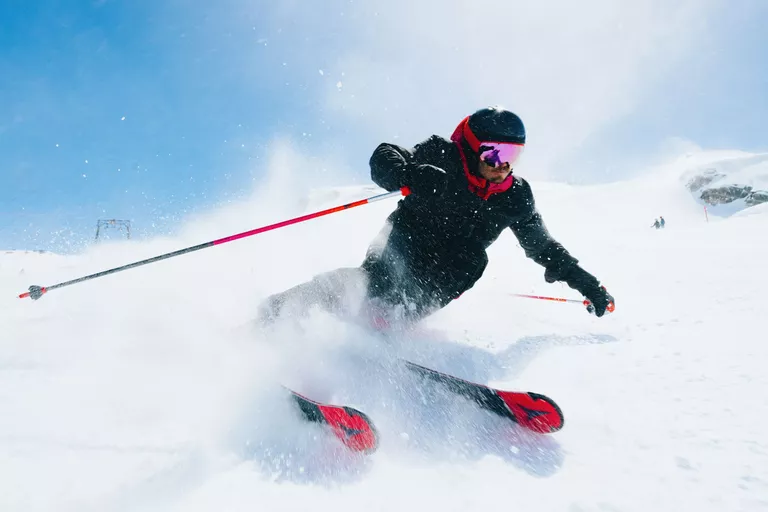
That simple idea sits at the core of Atomic’s See Better, Ski Better campaign. It is also why the Revent Q HD Goggles and Four AMID Pro Helmet are built as a true system, designed from the start to align fit, airflow, and field of vision.
When everything works together, seeing the mountain gets easier. Confidence follows. And skiing feels better, run after run.
Because when you see better, you ski better.
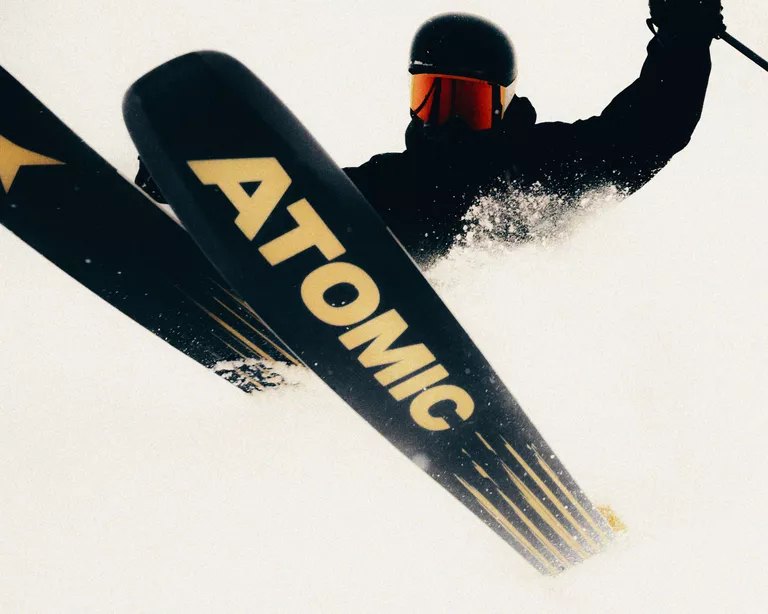
Common Problems With Mismatched Goggles and Helmets
When something feels off with your goggles or helmet, it is easy to blame the weather or assume you just picked the wrong lens. But more often than not, the issue is how those two pieces of gear work together.
When goggles and helmets are not designed as a system, a few familiar problems tend to show up fast:
- Fogging that keeps coming back, especially on cold or stormy days, because vents are not lining up
- Pressure points across the brow or bridge of the nose that get worse as the day goes on
- A narrower field of vision than you expect, making it harder to read terrain
- Goggle gap that leaves skin exposed and interrupts airflow
- Goggles sitting too close or too far from your eyes, which affects clarity and comfort
Even the best helmet-compatible ski goggles can struggle when fit and airflow are not properly aligned. When the system is off, performance suffers.
Why Goggles and Helmets Should Be Chosen as a System
Your helmet and goggles are doing more work than most people realize. On snow, they need to function together, not as two separate pieces.
There are three things that matter most:
Airflow
Good airflow is what keeps fog in check. When helmet vents and goggle vents are designed to line up, warm air can move out instead of getting trapped against the lens. That means clearer vision throughout the day, without relying on sprays or stopping to wipe your goggles.
Fit and Comfort
When goggles and helmets are built to work together, pressure points disappear. The goggles stay in place on the lift, through turns, and when things get a little more dynamic. Comfort stays consistent from the first chair to the last run.
Field of Vision
How goggles sit on your face affects how much of the mountain you can actually see. Proper positioning puts your eyes in the sweet spot of the lens, improving contrast, depth perception, and peripheral vision so terrain is easier to read.
This is why Atomic designs helmets and goggles together. When airflow, fit, and vision are aligned from the start, everything works better on snow.
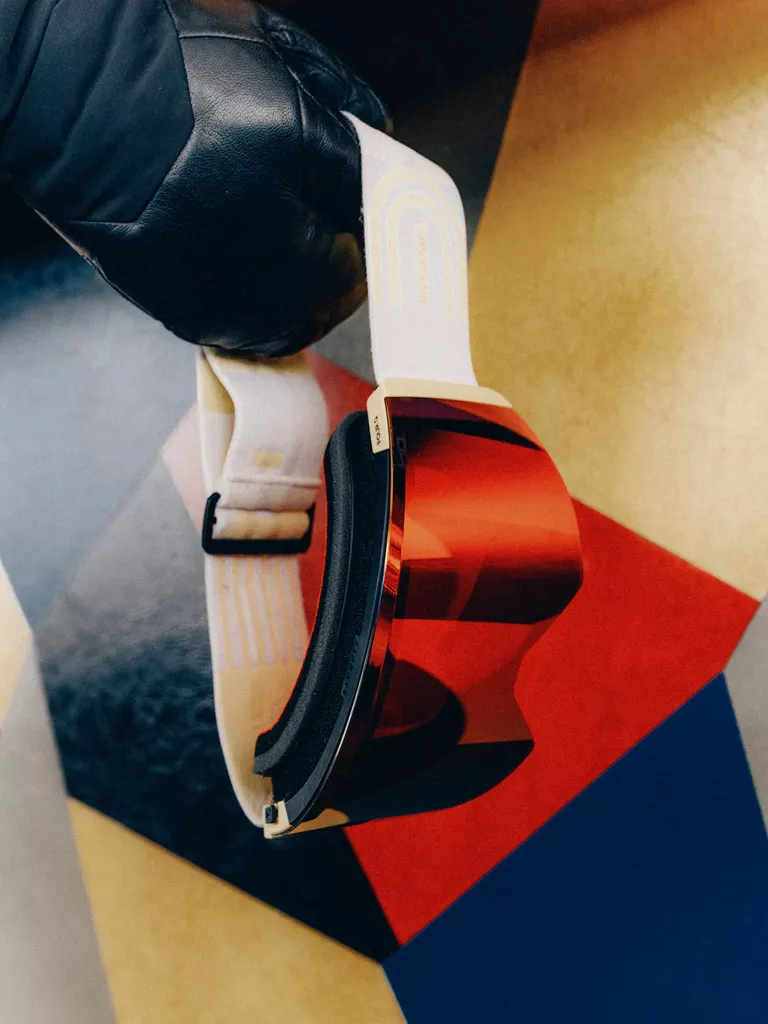
Seeing Better Is a Real Performance Upgrade
Seeing well on snow is not just about how sharp everything looks. It is about being able to read what is in front of you and trust what you are seeing.
When your vision is dialed, it is easier to spot:
- Subtle changes in snow texture
- Rollovers, shadows, and terrain features
- Light shifts on flat or stormy days
That clarity changes how you move on the mountain. Reactions come quicker. Turns feel smoother. Confidence builds naturally.
That is the idea behind See Better, Ski Better. When your vision works with the way you ski or ride, performance improves everywhere, from groomers and trees to park laps and powder days.
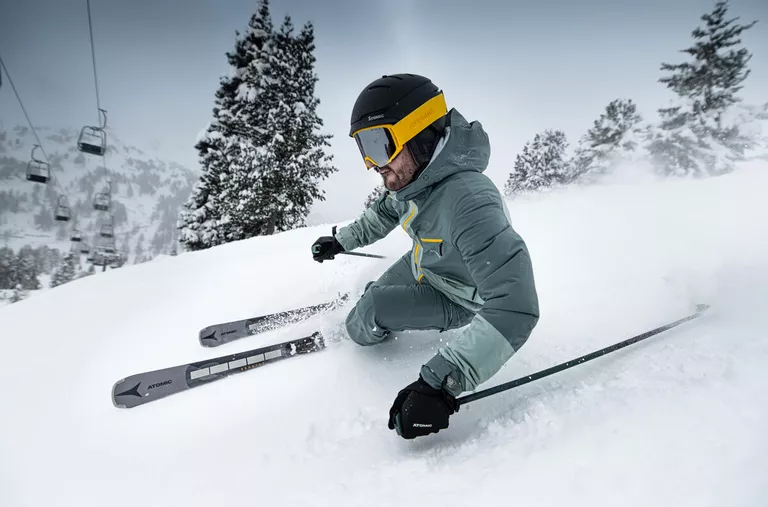
The Atomic System: Revent Q HD Goggles + Four AMID Pro Helmet
The Revent Q HD Goggles are built for days when light changes, terrain varies, and you need to trust what you are seeing. Atomic’s HD Lens Technology uses micro-crystals to boost color, clarity, and contrast, helping terrain stand out whether conditions are bright, flat, or somewhere in between.
What skiers notice most is how natural everything looks. Depth perception feels more intuitive, details in the snow are easier to pick up, and eye fatigue is reduced over long days on the mountain. That is what makes the Revent Q HD a strong all-mountain goggle for the 2025 and 2026 seasons.
Key features that support the system:
- HD Lens Technology that improves contrast and depth perception
- ID Toric Double Lens that curves naturally for a wide, unobstructed field of view
- Live Fit Frame that molds to your face for an instant, comfortable fit
- ID chamfer design that integrates cleanly with Atomic helmets
- Magnetic Q-System for quick and easy lens changes
- Over-the-glasses compatibility for skiers who wear prescription eyewear
- Durable anti-scratch coating for long-term clarity
→ Explore the Atomic Revent Q HD Goggles here
The Four AMID Pro Helmet is built for skiers and riders who want to feel confident everywhere on the mountain. It is the top helmet in Atomic’s all-mountain Four lineup and a favorite among freeride and freestyle skiers for good reason.
What stands out right away is the balance of protection, comfort, and low-profile fit. The combination of AMID technology and Holo Core provides advanced impact protection without making the helmet feel bulky or heavy. It is the kind of helmet you put on in the morning and forget about once you start skiing.
Key features skiers appreciate:
- AMID technology and Holo Core for added protection from impacts at multiple angles
- Hybrid In-Mold construction that keeps the helmet strong and lightweight
- 360º Fit System that lets you fine-tune the fit quickly and easily
- Live Fit pads that mold to your head shape for a secure, comfortable feel
- An advanced cooling system with wide air channels to help regulate temperature
- A removable liner and goggle clip for flexibility with different riding styles
As part of the Atomic system, the Four AMID Pro anchors the setup. Goggles sit where they should, airflow stays consistent, and comfort holds steady from first chair to last run. It is a reliable choice for skiers looking for a true all-mountain helmet that works seamlessly with their goggles.
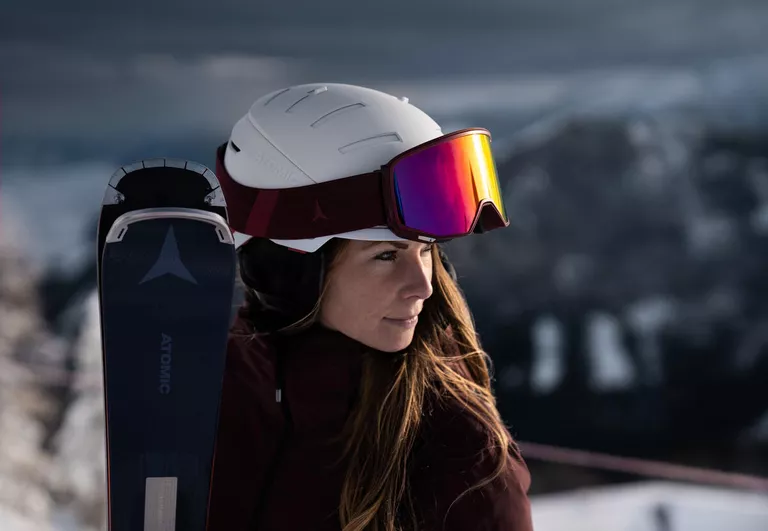
Real-World Performance in Colorado, Utah, Montana, and Washington
If you ski or ride in the Rockies or the Pacific Northwest, you know how quickly conditions can change. A bluebird morning can turn flat by midday. Storms roll in fast. Tree runs demand quick decisions and constant awareness of what is in front of you.
That is where a true Atomic helmet and goggle system makes a difference. When airflow, fit, and vision are dialed, you are not stopping to clear fog or readjust gear. You stay focused on your line, your turns, and the day in front of you.
Who This Setup Is For
This is a system built for how people actually ski and ride. It works whether you are:
- Lapping the resort
- Spending time in the park
- Chasing powder or skiing through storms
- Dealing with mixed, variable conditions
- Heading out touring or into the sidecountry
If reading the terrain clearly helps you ski with more confidence and flow, this setup delivers.
Related Atomic Gear and Buying Guides
Frequently Asked Questions
Do ski goggles and helmets need to be the same brand?
They do not have to be, but choosing the same brand often leads to a better overall fit. When goggles and helmets are designed together, vents line up more naturally, pressure points are reduced, and fogging is easier to manage.
How do I prevent goggle gap?
Goggle gap usually comes down to shape and fit. Helmets and goggles that are not designed to work together can leave exposed space at the brow. The best way to avoid it is to try both on at the same time and look for helmet-compatible ski goggles that sit cleanly against the helmet.
How can I reduce ski goggle fogging?
Airflow makes the biggest difference. Make sure your helmet vents and goggle vents align, avoid overdressing on cold days, and choose goggles built to integrate cleanly with your helmet. When airflow works, fogging is far less of an issue.
When should I replace my ski helmet?
As a general rule, ski helmets should be replaced every three to five years, or immediately after a significant impact. If you are unsure, this guide breaks it down clearly: When to Replace Your Ski Helmet (2025–2026 Guide).
Are Atomic Revent Q HD goggles compatible with non-Atomic helmets?
Yes. They work well with most modern helmets thanks to the flexible Live Fit Frame and ID chamfer design. For the most dialed fit, clean integration, and consistent airflow, pairing them with an Atomic helmet like the Four AMID Pro delivers the best experience.
What lens works best for variable light?
Variable light is common in the Rockies and Pacific Northwest. Lenses that enhance contrast and depth perception perform best. The Revent Q HD uses HD Lens Technology to improve clarity in flat light, bright sun, and storm conditions, making terrain easier to read without constant lens changes.
Can I wear prescription glasses with the Revent Q HD goggles?
Yes. The Revent Q HD goggles are over the glasses compatible, with built in frame grooves and extra space to accommodate prescription eyewear comfortably.
Should the goggle strap go over or under the helmet?
Either works. Most skiers wear the strap over the helmet for a secure feel and clean look. Just make sure the strap placement does not block helmet vents so airflow stays effective.
How do I care for ski goggles to reduce fogging and scratches?
Clean lenses with a microfiber cloth only. Avoid touching the inside lens to protect the anti fog coating. Let goggles air dry fully after skiing and store them in a protective case.
Is the Atomic Four AMID Pro helmet good for touring or backcountry use?
Yes. Its lightweight construction, effective ventilation, and advanced impact protection make it versatile enough for resort skiing, park laps, powder days, and lighter touring or sidecountry use.
Need Help Dialing in Your Setup?
Trying helmets and goggles together is the easiest way to know what works. Stop by a Christy Sports or Sturtevant’s location and our team can help you find a setup that fits comfortably and performs the way it should on snow.
Heading to the mountains and need gear? Explore ski and snowboard rentals here.
The Takeaway
Better vision is not a luxury. It is part of how you ski well.
Choosing goggles and helmets together is not about matching logos. It is about building a system that works with your body, the mountain, and the conditions you actually ski.
That is the idea behind See Better, Ski Better.
Last updated: December 31, 2025
Ski & Snowboard,
Gear Guides
Dec 31, 2025
Why Your Ski Goggles and Helmet Should Be Chosen Together
Seeing Better on Snow Starts With the System
Most skiers and snowboarders put their energy into the big decisions first. Choosing skis or a board. Dialing in boots that feel right. Matching bindings to how you ride. Goggles and helmets usually come later, picked quickly and often separately.
But if you have ever battled fog on a storm day, felt pressure across your forehead, noticed goggle gap on the lift, or struggled to read the snow in flat light, the problem is rarely just one piece of gear.
It is that your helmet and goggles were never designed to work together.
That simple idea sits at the core of Atomic’s See Better, Ski Better campaign. It is also why the Revent Q HD Goggles and Four AMID Pro Helmet are built as a true system, designed from the start to align fit, airflow, and field of vision.
When everything works together, seeing the mountain gets easier. Confidence follows. And skiing feels better, run after run.
Because when you see better, you ski better.
Common Problems With Mismatched Goggles and Helmets
When something feels off with your goggles or helmet, it is easy to blame the weather or assume you just picked the wrong lens. But more often than not, the issue is how those two pieces of gear work together.
When goggles and helmets are not designed as a system, a few familiar problems tend to show up fast:
- Fogging that keeps coming back, especially on cold or stormy days, because vents are not lining up
- Pressure points across the brow or bridge of the nose that get worse as the day goes on
- A narrower field of vision than you expect, making it harder to read terrain
- Goggle gap that leaves skin exposed and interrupts airflow
- Goggles sitting too close or too far from your eyes, which affects clarity and comfort
Even the best helmet-compatible ski goggles can struggle when fit and airflow are not properly aligned. When the system is off, performance suffers.
Why Goggles and Helmets Should Be Chosen as a System
Your helmet and goggles are doing more work than most people realize. On snow, they need to function together, not as two separate pieces.
There are three things that matter most:
Airflow
Good airflow is what keeps fog in check. When helmet vents and goggle vents are designed to line up, warm air can move out instead of getting trapped against the lens. That means clearer vision throughout the day, without relying on sprays or stopping to wipe your goggles.
Fit and Comfort
When goggles and helmets are built to work together, pressure points disappear. The goggles stay in place on the lift, through turns, and when things get a little more dynamic. Comfort stays consistent from the first chair to the last run.
Field of Vision
How goggles sit on your face affects how much of the mountain you can actually see. Proper positioning puts your eyes in the sweet spot of the lens, improving contrast, depth perception, and peripheral vision so terrain is easier to read.
This is why Atomic designs helmets and goggles together. When airflow, fit, and vision are aligned from the start, everything works better on snow.
Seeing Better Is a Real Performance Upgrade
Seeing well on snow is not just about how sharp everything looks. It is about being able to read what is in front of you and trust what you are seeing.
When your vision is dialed, it is easier to spot:
- Subtle changes in snow texture
- Rollovers, shadows, and terrain features
- Light shifts on flat or stormy days
That clarity changes how you move on the mountain. Reactions come quicker. Turns feel smoother. Confidence builds naturally.
That is the idea behind See Better, Ski Better. When your vision works with the way you ski or ride, performance improves everywhere, from groomers and trees to park laps and powder days.
The Atomic System: Revent Q HD Goggles + Four AMID Pro Helmet
The Revent Q HD Goggles are built for days when light changes, terrain varies, and you need to trust what you are seeing. Atomic’s HD Lens Technology uses micro-crystals to boost color, clarity, and contrast, helping terrain stand out whether conditions are bright, flat, or somewhere in between.
What skiers notice most is how natural everything looks. Depth perception feels more intuitive, details in the snow are easier to pick up, and eye fatigue is reduced over long days on the mountain. That is what makes the Revent Q HD a strong all-mountain goggle for the 2025 and 2026 seasons.
Key features that support the system:
- HD Lens Technology that improves contrast and depth perception
- ID Toric Double Lens that curves naturally for a wide, unobstructed field of view
- Live Fit Frame that molds to your face for an instant, comfortable fit
- ID chamfer design that integrates cleanly with Atomic helmets
- Magnetic Q-System for quick and easy lens changes
- Over-the-glasses compatibility for skiers who wear prescription eyewear
- Durable anti-scratch coating for long-term clarity
→ Explore the Atomic Revent Q HD Goggles here
The Four AMID Pro Helmet is built for skiers and riders who want to feel confident everywhere on the mountain. It is the top helmet in Atomic’s all-mountain Four lineup and a favorite among freeride and freestyle skiers for good reason.
What stands out right away is the balance of protection, comfort, and low-profile fit. The combination of AMID technology and Holo Core provides advanced impact protection without making the helmet feel bulky or heavy. It is the kind of helmet you put on in the morning and forget about once you start skiing.
Key features skiers appreciate:
- AMID technology and Holo Core for added protection from impacts at multiple angles
- Hybrid In-Mold construction that keeps the helmet strong and lightweight
- 360º Fit System that lets you fine-tune the fit quickly and easily
- Live Fit pads that mold to your head shape for a secure, comfortable feel
- An advanced cooling system with wide air channels to help regulate temperature
- A removable liner and goggle clip for flexibility with different riding styles
As part of the Atomic system, the Four AMID Pro anchors the setup. Goggles sit where they should, airflow stays consistent, and comfort holds steady from first chair to last run. It is a reliable choice for skiers looking for a true all-mountain helmet that works seamlessly with their goggles.
Real-World Performance in Colorado, Utah, Montana, and Washington
If you ski or ride in the Rockies or the Pacific Northwest, you know how quickly conditions can change. A bluebird morning can turn flat by midday. Storms roll in fast. Tree runs demand quick decisions and constant awareness of what is in front of you.
That is where a true Atomic helmet and goggle system makes a difference. When airflow, fit, and vision are dialed, you are not stopping to clear fog or readjust gear. You stay focused on your line, your turns, and the day in front of you.
Who This Setup Is For
This is a system built for how people actually ski and ride. It works whether you are:
- Lapping the resort
- Spending time in the park
- Chasing powder or skiing through storms
- Dealing with mixed, variable conditions
- Heading out touring or into the sidecountry
If reading the terrain clearly helps you ski with more confidence and flow, this setup delivers.
Related Atomic Gear and Buying Guides
Frequently Asked Questions
Do ski goggles and helmets need to be the same brand?
They do not have to be, but choosing the same brand often leads to a better overall fit. When goggles and helmets are designed together, vents line up more naturally, pressure points are reduced, and fogging is easier to manage.
How do I prevent goggle gap?
Goggle gap usually comes down to shape and fit. Helmets and goggles that are not designed to work together can leave exposed space at the brow. The best way to avoid it is to try both on at the same time and look for helmet-compatible ski goggles that sit cleanly against the helmet.
How can I reduce ski goggle fogging?
Airflow makes the biggest difference. Make sure your helmet vents and goggle vents align, avoid overdressing on cold days, and choose goggles built to integrate cleanly with your helmet. When airflow works, fogging is far less of an issue.
When should I replace my ski helmet?
As a general rule, ski helmets should be replaced every three to five years, or immediately after a significant impact. If you are unsure, this guide breaks it down clearly: When to Replace Your Ski Helmet (2025–2026 Guide).
Are Atomic Revent Q HD goggles compatible with non-Atomic helmets?
Yes. They work well with most modern helmets thanks to the flexible Live Fit Frame and ID chamfer design. For the most dialed fit, clean integration, and consistent airflow, pairing them with an Atomic helmet like the Four AMID Pro delivers the best experience.
What lens works best for variable light?
Variable light is common in the Rockies and Pacific Northwest. Lenses that enhance contrast and depth perception perform best. The Revent Q HD uses HD Lens Technology to improve clarity in flat light, bright sun, and storm conditions, making terrain easier to read without constant lens changes.
Can I wear prescription glasses with the Revent Q HD goggles?
Yes. The Revent Q HD goggles are over the glasses compatible, with built in frame grooves and extra space to accommodate prescription eyewear comfortably.
Should the goggle strap go over or under the helmet?
Either works. Most skiers wear the strap over the helmet for a secure feel and clean look. Just make sure the strap placement does not block helmet vents so airflow stays effective.
How do I care for ski goggles to reduce fogging and scratches?
Clean lenses with a microfiber cloth only. Avoid touching the inside lens to protect the anti fog coating. Let goggles air dry fully after skiing and store them in a protective case.
Is the Atomic Four AMID Pro helmet good for touring or backcountry use?
Yes. Its lightweight construction, effective ventilation, and advanced impact protection make it versatile enough for resort skiing, park laps, powder days, and lighter touring or sidecountry use.
Need Help Dialing in Your Setup?
Trying helmets and goggles together is the easiest way to know what works. Stop by a Christy Sports or Sturtevant’s location and our team can help you find a setup that fits comfortably and performs the way it should on snow.
Heading to the mountains and need gear? Explore ski and snowboard rentals here.
The Takeaway
Better vision is not a luxury. It is part of how you ski well.
Choosing goggles and helmets together is not about matching logos. It is about building a system that works with your body, the mountain, and the conditions you actually ski.
That is the idea behind See Better, Ski Better.
Last updated: December 31, 2025