Ski & Snowboard,
Gear Guides
Jan 22, 2026
Seeing the Mountain Clearly: Giro’s VIVID Lens Technology for Better Vision in Flat Light (2025–2026 Guide)
Flat light is one of the most frustrating parts of skiing and riding. Clouds roll in, shadows disappear, and suddenly even familiar terrain looks washed out and harder to read. Even confident skiers start dialing things back because your eyes and brain are working overtime to interpret what’s in front of you.
That’s the exact problem Giro set out to solve with VIVID Lens Technology, developed in partnership with ZEISS® Optics.
“An age-old problem for skiers and snowboarders is flat light—when clouds or haze compromise your ability to see terrain with the naked eye. Then your confidence diminishes. Our goal in creating VIVID was to kill flat light and give you high-contrast vision so you can read terrain clearly and ride more freely, more powerfully, and more decisively.” — Giro, on developing VIVID Lens Technology
This guide breaks down what VIVID lenses actually do, why helmet-and-goggle systems matter more than most people realize, and how to choose the right Giro helmet and goggle combination for the way you ski.
If you’re traveling and renting skis or snowboards, clear vision matters even more. When you’re on unfamiliar terrain, good optics help you read conditions faster and feel confident from the first run.
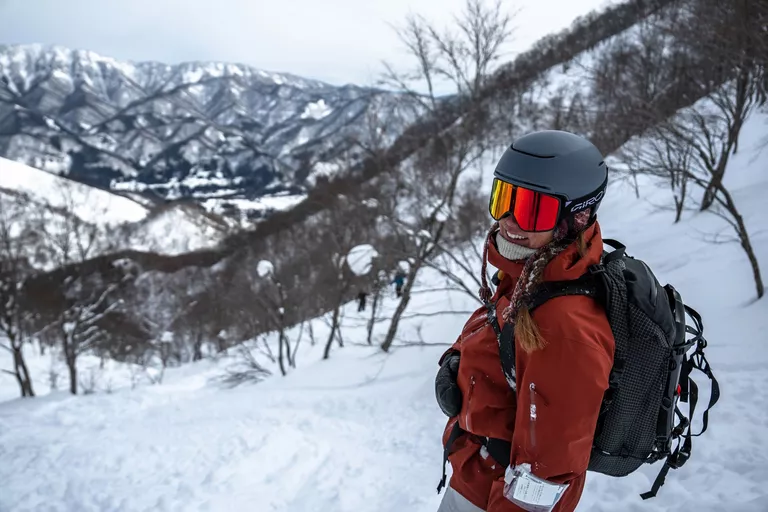
Quick Answer: What does Giro VIVID do?
Giro VIVID lens technology enhances contrast in flat and variable light by filtering haze-causing blue light while boosting the wavelengths that help define snow texture. The result is clearer terrain definition, quicker reaction time, and less visual fatigue over long days on snow.
Why flat light makes skiing feel harder
Flat light doesn’t just make the mountain look dull. It removes the contrast cues your eyes rely on to judge depth, pitch, and texture. Small rollers, bumps, and changes in snow density start blending together.
That often leads to:
- Seeing terrain features later than you want to
- More cautious or defensive skiing, especially in trees and bumps
- Faster fatigue from constantly straining to see
Better optics don’t change the snow. They change how early and accurately you can read it.
What is Giro VIVID Lens Technology?
VIVID is Giro’s proprietary lens technology, engineered with ZEISS Optics, that selectively filters blue light to increase contrast without distorting colors. In flat light, storms, or mixed conditions, it helps terrain features stand out more naturally instead of looking washed out.
On snow, that shows up as:
- Clearer separation between highlights and shadows
- Better definition in low-contrast terrain
- Less eye strain over full days of skiing
All VIVID lenses also block 100 percent of harmful UV and include durable anti-fog and scratch-resistant coatings.
If you’re comparing options, you can browse all ski goggles to see how different lens technologies and fits stack up for flat-light performance.
Why helmet and goggle compatibility matters
A helmet and goggles aren’t just separate pieces of gear. They’re designed to work together. When they’re designed to work together, you get:
- Less goggle gap
- A more stable, comfortable fit
- Better fog management thanks to aligned vents
- A wider usable field of view, especially in your peripheral vision
Giro designs for seamless compatibility, meaning the helmet-goggle interface fits cleanly and performs reliably in real mountain weather.
If you’re upgrading or replacing older gear, starting with a modern ski helmet can make a noticeable difference in overall comfort and performance.
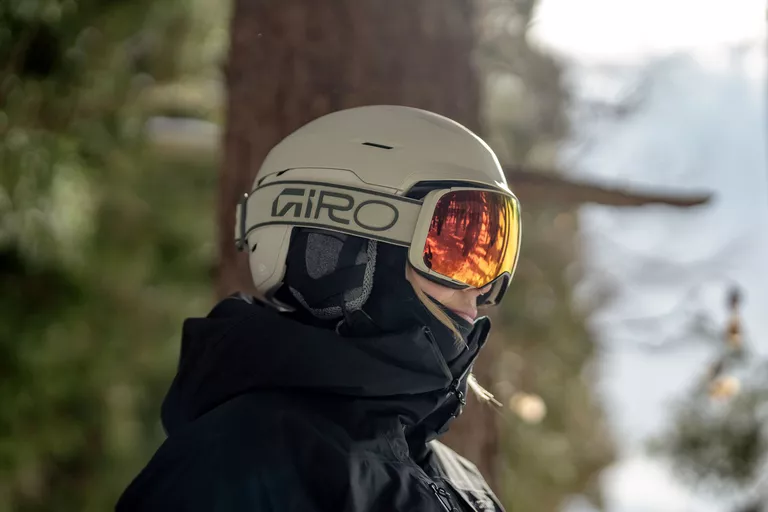
The everyday all-mountain setup
Giro Jackson MIPS Helmet + Giro Article II Goggles: Best for skiers who want one dependable setup that works all season long.
Why the Jackson works as a daily driver
The Giro Jackson MIPS is built for resort skiing, with features that quietly make a difference day after day:
- Passive Aggressive Venting that adapts as you move, hike, or stop
- A glove-friendly In Form fit system that dials in comfort without pressure points
- Clean integration with Giro goggles for a consistent, gap-free fit
What makes the Article II a standout VIVID goggle
The Article II balances performance and comfort for long resort days:
- Wide field of view with Expansion View (EXV) frame design
- Toric VIVID lenses with Optics by ZEISS
- EVAK Vent Technology to release moisture and help reduce fogging
- Quick-Change Lens System with a bonus low-light lens included
- Triple-layer face foam for all-day comfort and seal
Shop Article II options:
- Giro Article ll Goggles + Rose Gold Lens
- Giro Article II Goggles + Vivid Smoke Lens
- Giro Article II Goggles + Vivid Ember Lens
Best for: Most resort skiers and riders • Variable winter weather • All-day comfort without fuss
The performance setup
Giro Tor Spherical Helmet + Giro Comp Goggles: Built for skiers who prioritize precision, speed, and visibility when conditions are at their worst.
Why the Tor is built for high-demand days
The Giro Tor Spherical Helmet delivers premium protection and refined fit, with MIPS Spherical technology, balanced construction, and adjustable venting designed for long, demanding days on snow.
What makes the Comp a top-end VIVID goggle
The Comp is Giro’s most performance-driven goggle:
- Frameless EXV+ design for maximum field of view
- Toric VIVID lenses with Optics by ZEISS
- Snapshot Magnetic Quick-Change lens system for fast, secure swaps
- EVAK vents and anti-fog coating for consistent clarity
- Triple-layer face foam, plus a bonus low-light VIVID lens
Best for: Advanced and aggressive skiers • Storm and flat-light days • High-speed terrain where vision matters most
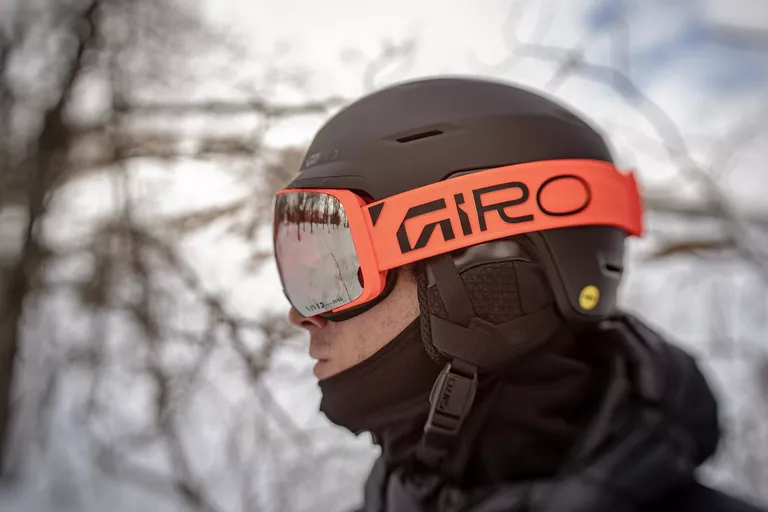
Quick comparison: Article II vs. Comp goggles
- Frame style: Low-profile EXV
- Lens change: Quick-Change
- Best use: Everyday resort skiing
- Bonus low-light lens: Yes
- Frame style: Frameless EXV+ (wider field of view)
- Lens change: Snapshot Magnetic Quick-Change
- Best use: Aggressive, storm-day performance
- Bonus low-light lens: Yes
Picking the right VIVID lens tint
A simple way to choose:
- Overcast, storm, flat light: Rose Gold or Ember
- Mixed or variable conditions: Ember or Rose for versatility
- Bright sun: Smoke or Envy to cut glare
- Very low light or night: Dedicated low-light lens
In places like Colorado, Utah, Montana, and Washington, where weather shifts fast, having a quick-change system and a backup lens makes a real difference.
Why clearer vision reduces fatigue and builds confidence
When you can read terrain earlier, your skiing feels smoother and more natural. You stay relaxed in technical terrain, commit to turns sooner, and finish the day with more energy left in the tank.
Clear vision doesn’t just help you see better. It helps you ski better.
Where this fits in your overall gear setup
A modern helmet protects your head. VIVID goggles protect your vision and your confidence. Together, as a system, they make skiing feel simpler and more enjoyable.
If you’re unsure whether your current helmet is still doing its job, this guide on when to replace your ski helmet breaks it down clearly.
You can also explore what’s new this season in our 2025–26 helmet and goggle preview.
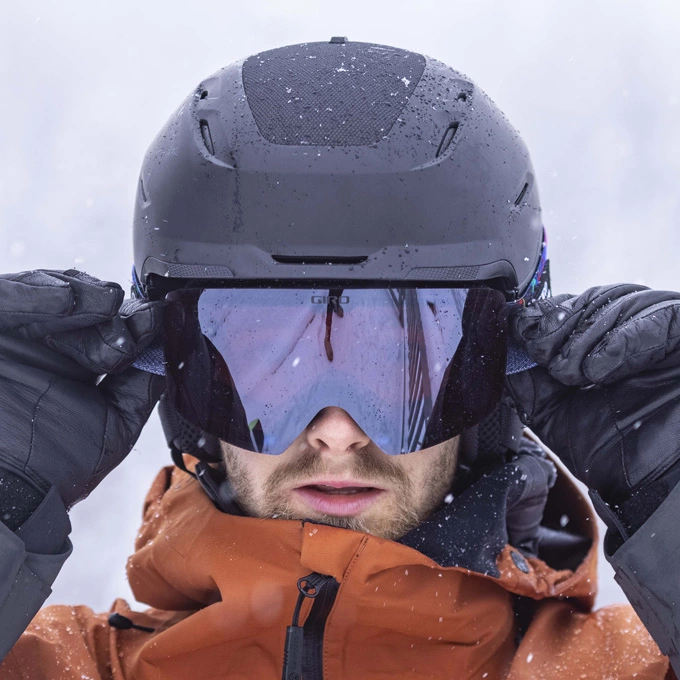
Frequently Asked Questions About Giro VIVID Goggles
What does Giro VIVID lens technology do?
VIVID lenses increase contrast and definition in flat or variable light so skiers can read terrain more clearly and ski with less visual fatigue.
Are VIVID lenses good for flat light?
Yes. VIVID lenses are designed specifically to perform in flat light, overcast skies, haze, and storm conditions.
What’s the difference between Giro Article II and Giro Comp goggles?
The Article II is a low-profile, feature-rich goggle for everyday resort skiing. The Comp is a higher-performance, frameless goggle built for aggressive skiing, storms, and fast lens changes.
What’s the difference between the Article II Quick-Change Lens System and the Comp Snapshot Magnetic system?
The Article II uses a simple Quick-Change system that’s fast and secure for everyday lens swaps, typically done once or twice a day. The Comp uses Giro’s Snapshot Magnetic Quick-Change system, which combines magnets and a locking mechanism for near-instant lens changes, even with gloves on—ideal for storm days, fast skiing, or frequent swaps.
Do Giro goggles come with multiple lenses?
Yes. Many VIVID goggles, including the Article II and Comp, include a bonus low-light lens.
Do Giro goggles work best with Giro helmets?
Yes. Giro helmets and goggles are designed for seamless compatibility, helping reduce goggle gap, fogging, and fit issues.
Which VIVID lens tint works best in flat light or storms?
Rose Gold and Ember are the go-to VIVID tints for flat light, overcast days, and storms. They boost contrast and definition so terrain features stand out when visibility drops. Many skiers find them more effective than traditional yellow or rose lenses, especially in real mountain weather.
How does VIVID compare to other lens technologies like ChromaPop or Prizm?
VIVID lenses, developed with ZEISS Optics, are designed to enhance contrast naturally by filtering blue light without making colors feel over-saturated. In flat and variable light, many skiers find VIVID delivers equal or better terrain readability compared to other high-contrast lenses.
Do VIVID goggles fog easily?
No. VIVID goggles use EVAK Vent Technology and anti-fog coatings to help manage moisture throughout the day. When paired with compatible Giro helmets, aligned venting further reduces fogging, even in storms or during high-output skiing.
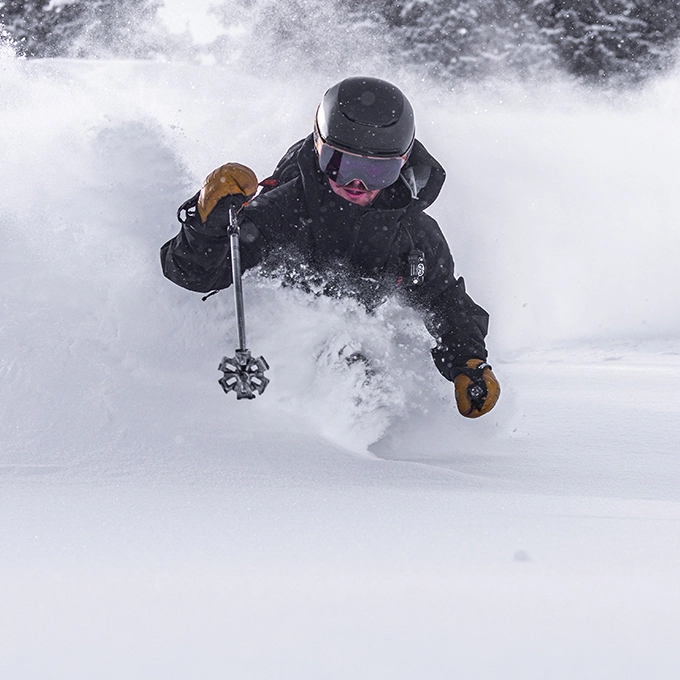
Flat light is part of skiing. Storms roll in. Clouds linger. Light changes fast. What you don’t have to accept is feeling unsure or tentative when conditions get tricky.
The right goggle and helmet setup can change how you experience those days. Giro’s VIVID Lens Technology is designed to help you see terrain sooner, ski with more confidence, and stay comfortable when visibility isn’t perfect. Whether that looks like the everyday reliability of the Jackson MIPS and Article II or the high-performance precision of the Tor Spherical and Comp, the goal is the same: clearer vision and a better day on snow.
When your gear works together, from helmet and goggles to fit and optics, you spend less time thinking about what you’re wearing and more time enjoying where you are.
If you’re not sure which setup is right for you, stop by a Christy Sports location and get help dialing in helmet and goggle fit from trained staff. Seeing the difference in person is often immediate.
Especially when you can see every detail in front of you.
Last updated: January 22, 2026
Ski & Snowboard,
Gear Guides
Jan 22, 2026
Seeing the Mountain Clearly: Giro’s VIVID Lens Technology for Better Vision in Flat Light (2025–2026 Guide)
Flat light is one of the most frustrating parts of skiing and riding. Clouds roll in, shadows disappear, and suddenly even familiar terrain looks washed out and harder to read. Even confident skiers start dialing things back because your eyes and brain are working overtime to interpret what’s in front of you.
That’s the exact problem Giro set out to solve with VIVID Lens Technology, developed in partnership with ZEISS® Optics.
“An age-old problem for skiers and snowboarders is flat light—when clouds or haze compromise your ability to see terrain with the naked eye. Then your confidence diminishes. Our goal in creating VIVID was to kill flat light and give you high-contrast vision so you can read terrain clearly and ride more freely, more powerfully, and more decisively.” — Giro, on developing VIVID Lens Technology
This guide breaks down what VIVID lenses actually do, why helmet-and-goggle systems matter more than most people realize, and how to choose the right Giro helmet and goggle combination for the way you ski.
If you’re traveling and renting skis or snowboards, clear vision matters even more. When you’re on unfamiliar terrain, good optics help you read conditions faster and feel confident from the first run.
Quick Answer: What does Giro VIVID do?
Giro VIVID lens technology enhances contrast in flat and variable light by filtering haze-causing blue light while boosting the wavelengths that help define snow texture. The result is clearer terrain definition, quicker reaction time, and less visual fatigue over long days on snow.
Why flat light makes skiing feel harder
Flat light doesn’t just make the mountain look dull. It removes the contrast cues your eyes rely on to judge depth, pitch, and texture. Small rollers, bumps, and changes in snow density start blending together.
That often leads to:
- Seeing terrain features later than you want to
- More cautious or defensive skiing, especially in trees and bumps
- Faster fatigue from constantly straining to see
Better optics don’t change the snow. They change how early and accurately you can read it.
What is Giro VIVID Lens Technology?
VIVID is Giro’s proprietary lens technology, engineered with ZEISS Optics, that selectively filters blue light to increase contrast without distorting colors. In flat light, storms, or mixed conditions, it helps terrain features stand out more naturally instead of looking washed out.
On snow, that shows up as:
- Clearer separation between highlights and shadows
- Better definition in low-contrast terrain
- Less eye strain over full days of skiing
All VIVID lenses also block 100 percent of harmful UV and include durable anti-fog and scratch-resistant coatings.
If you’re comparing options, you can browse all ski goggles to see how different lens technologies and fits stack up for flat-light performance.
Why helmet and goggle compatibility matters
A helmet and goggles aren’t just separate pieces of gear. They’re designed to work together. When they’re designed to work together, you get:
- Less goggle gap
- A more stable, comfortable fit
- Better fog management thanks to aligned vents
- A wider usable field of view, especially in your peripheral vision
Giro designs for seamless compatibility, meaning the helmet-goggle interface fits cleanly and performs reliably in real mountain weather.
If you’re upgrading or replacing older gear, starting with a modern ski helmet can make a noticeable difference in overall comfort and performance.
The everyday all-mountain setup
Giro Jackson MIPS Helmet + Giro Article II Goggles: Best for skiers who want one dependable setup that works all season long.
Why the Jackson works as a daily driver
The Giro Jackson MIPS is built for resort skiing, with features that quietly make a difference day after day:
- Passive Aggressive Venting that adapts as you move, hike, or stop
- A glove-friendly In Form fit system that dials in comfort without pressure points
- Clean integration with Giro goggles for a consistent, gap-free fit
What makes the Article II a standout VIVID goggle
The Article II balances performance and comfort for long resort days:
- Wide field of view with Expansion View (EXV) frame design
- Toric VIVID lenses with Optics by ZEISS
- EVAK Vent Technology to release moisture and help reduce fogging
- Quick-Change Lens System with a bonus low-light lens included
- Triple-layer face foam for all-day comfort and seal
Shop Article II options:
- Giro Article ll Goggles + Rose Gold Lens
- Giro Article II Goggles + Vivid Smoke Lens
- Giro Article II Goggles + Vivid Ember Lens
Best for: Most resort skiers and riders • Variable winter weather • All-day comfort without fuss
The performance setup
Giro Tor Spherical Helmet + Giro Comp Goggles: Built for skiers who prioritize precision, speed, and visibility when conditions are at their worst.
Why the Tor is built for high-demand days
The Giro Tor Spherical Helmet delivers premium protection and refined fit, with MIPS Spherical technology, balanced construction, and adjustable venting designed for long, demanding days on snow.
What makes the Comp a top-end VIVID goggle
The Comp is Giro’s most performance-driven goggle:
- Frameless EXV+ design for maximum field of view
- Toric VIVID lenses with Optics by ZEISS
- Snapshot Magnetic Quick-Change lens system for fast, secure swaps
- EVAK vents and anti-fog coating for consistent clarity
- Triple-layer face foam, plus a bonus low-light VIVID lens
Best for: Advanced and aggressive skiers • Storm and flat-light days • High-speed terrain where vision matters most
Quick comparison: Article II vs. Comp goggles
- Frame style: Low-profile EXV
- Lens change: Quick-Change
- Best use: Everyday resort skiing
- Bonus low-light lens: Yes
- Frame style: Frameless EXV+ (wider field of view)
- Lens change: Snapshot Magnetic Quick-Change
- Best use: Aggressive, storm-day performance
- Bonus low-light lens: Yes
Picking the right VIVID lens tint
A simple way to choose:
- Overcast, storm, flat light: Rose Gold or Ember
- Mixed or variable conditions: Ember or Rose for versatility
- Bright sun: Smoke or Envy to cut glare
- Very low light or night: Dedicated low-light lens
In places like Colorado, Utah, Montana, and Washington, where weather shifts fast, having a quick-change system and a backup lens makes a real difference.
Why clearer vision reduces fatigue and builds confidence
When you can read terrain earlier, your skiing feels smoother and more natural. You stay relaxed in technical terrain, commit to turns sooner, and finish the day with more energy left in the tank.
Clear vision doesn’t just help you see better. It helps you ski better.
Where this fits in your overall gear setup
A modern helmet protects your head. VIVID goggles protect your vision and your confidence. Together, as a system, they make skiing feel simpler and more enjoyable.
If you’re unsure whether your current helmet is still doing its job, this guide on when to replace your ski helmet breaks it down clearly.
You can also explore what’s new this season in our 2025–26 helmet and goggle preview.
Frequently Asked Questions About Giro VIVID Goggles
What does Giro VIVID lens technology do?
VIVID lenses increase contrast and definition in flat or variable light so skiers can read terrain more clearly and ski with less visual fatigue.
Are VIVID lenses good for flat light?
Yes. VIVID lenses are designed specifically to perform in flat light, overcast skies, haze, and storm conditions.
What’s the difference between Giro Article II and Giro Comp goggles?
The Article II is a low-profile, feature-rich goggle for everyday resort skiing. The Comp is a higher-performance, frameless goggle built for aggressive skiing, storms, and fast lens changes.
What’s the difference between the Article II Quick-Change Lens System and the Comp Snapshot Magnetic system?
The Article II uses a simple Quick-Change system that’s fast and secure for everyday lens swaps, typically done once or twice a day. The Comp uses Giro’s Snapshot Magnetic Quick-Change system, which combines magnets and a locking mechanism for near-instant lens changes, even with gloves on—ideal for storm days, fast skiing, or frequent swaps.
Do Giro goggles come with multiple lenses?
Yes. Many VIVID goggles, including the Article II and Comp, include a bonus low-light lens.
Do Giro goggles work best with Giro helmets?
Yes. Giro helmets and goggles are designed for seamless compatibility, helping reduce goggle gap, fogging, and fit issues.
Which VIVID lens tint works best in flat light or storms?
Rose Gold and Ember are the go-to VIVID tints for flat light, overcast days, and storms. They boost contrast and definition so terrain features stand out when visibility drops. Many skiers find them more effective than traditional yellow or rose lenses, especially in real mountain weather.
How does VIVID compare to other lens technologies like ChromaPop or Prizm?
VIVID lenses, developed with ZEISS Optics, are designed to enhance contrast naturally by filtering blue light without making colors feel over-saturated. In flat and variable light, many skiers find VIVID delivers equal or better terrain readability compared to other high-contrast lenses.
Do VIVID goggles fog easily?
No. VIVID goggles use EVAK Vent Technology and anti-fog coatings to help manage moisture throughout the day. When paired with compatible Giro helmets, aligned venting further reduces fogging, even in storms or during high-output skiing.
Flat light is part of skiing. Storms roll in. Clouds linger. Light changes fast. What you don’t have to accept is feeling unsure or tentative when conditions get tricky.
The right goggle and helmet setup can change how you experience those days. Giro’s VIVID Lens Technology is designed to help you see terrain sooner, ski with more confidence, and stay comfortable when visibility isn’t perfect. Whether that looks like the everyday reliability of the Jackson MIPS and Article II or the high-performance precision of the Tor Spherical and Comp, the goal is the same: clearer vision and a better day on snow.
When your gear works together, from helmet and goggles to fit and optics, you spend less time thinking about what you’re wearing and more time enjoying where you are.
If you’re not sure which setup is right for you, stop by a Christy Sports location and get help dialing in helmet and goggle fit from trained staff. Seeing the difference in person is often immediate.
Especially when you can see every detail in front of you.
Last updated: January 22, 2026