Ski & Snowboard,
Gear Guides
Dec 30, 2025
One Ski. No Rules. Why the Salomon QST Is Built for How People Actually Ski Today
No two ski days look the same.
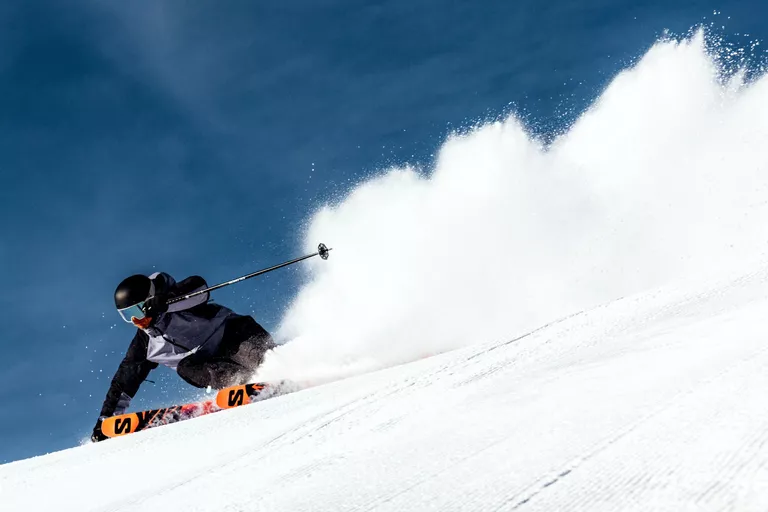
Some start smooth and fast, turn playful by midday, and end in chopped-up snow you didn’t plan on skiing but do anyway. That mix of groomers, trees, side hits, and leftovers is the reality of most resort days. Most skis are designed around ideal conditions. Most ski days aren’t.
That’s exactly where the Salomon QST shines. It isn’t built around a single style or condition. It’s built to adapt, so you can ski your day the way it unfolds instead of forcing your gear to keep up.
A Quick Look at the QST Story
The QST story begins more than a decade ago, evolving out of Salomon’s Rocker2 series and formally launching as the QST line around 2016. From the beginning, QST was shaped by a mix of athlete input and everyday skier feedback.
The goal was never to build the stiffest charger or the loosest powder ski, but something in between: playful, intuitive, and versatile enough to ski all over the mountain.
For the 2025/2026 season, Salomon introduced the fourth generation of QST skis, delivering the most significant redesign the line has seen to date. The result is a ski that feels more powerful and composed on firm snow, without losing the surfy, easy-to-ski personality that made QST so popular.
What’s New in the 2025/2026 QST Lineup
This update goes far beyond graphics. For 25/26, Salomon rebuilt the QST from the inside out, focusing on one goal: adding stability and confidence without losing the playful feel that defines the line.
Key updates include:
- Poplar wood cores for a lively, responsive feel and consistent flex
- Full / double sandwich-style sidewalls (combined with cap in select zones) to improve edge grip and precision
- Titanal binding reinforcement plate underfoot for added power transfer and stability on firm snow
- Cork Damplifier 2.0 in the tips (and tails on some models), which absorbs vibration more effectively than traditional materials while keeping swing weight low
- Basalt and fiberglass laminates to smooth out the flex and improve composure in variable snow
Together, these changes make the new QST skis more stable and confidence-inspiring at speed, especially on groomers and in chop, while keeping the playful, pivoty feel that defines the line.

The Everyday Standouts: QST 94 and QST 100
The QST lineup covers a range of widths, but for most resort skiers, the sweet spot lives in the middle. These are the skis that work on more days than not, and for more skiers than you might expect.
QST 94: The Groomer-Friendly All-Mountain Pick
With a 94 mm waist, the QST 94 replaces the previous QST 92 and lands squarely in all-mountain territory. It’s quick edge-to-edge, grips confidently on groomers, and still has enough tip width and rocker to handle bumps, trees, and softer snow days.
This ski feels especially at home on resort snowpacks where firm mornings are common, but conditions change throughout the day. It’s a balanced, predictable ski that rewards good technique without punishing mistakes.
Why skiers choose it:
For many skiers, the QST 94 is a smart, no-regret choice—stable, versatile, and approachable enough to ski confidently right away, with room to grow as skills progress.
Best for:
Intermediate to advanced skiers, Front Range locals, East Coast transplants, and anyone who prioritizes groomer performance but still wants freeride versatility.
QST 100: The One-Ski, All-Day Option
The QST 100 replaces the beloved QST 98 and is widely considered the most versatile ski in the lineup. At 100 mm underfoot, it strikes a balance between carving performance and soft-snow capability.
Compared to earlier versions, the new QST 100 feels slightly more planted, with better stability in chopped-up snow and at higher speeds. At the same time, it remains playful and intuitive, encouraging smears, slashes, and creative lines around the mountain.
Why skiers choose it:
If you want one ski that can handle almost anything the resort throws at you, the QST 100 is a safe, confident choice that works for a wide range of skiers and conditions.
Best for:
Intermediate-to-advanced skiers who want one ski for mixed conditions, powder stashes, and everyday resort skiing.

QST 94 vs. QST 100: Which One Is Right for You?
- Waist width: ~94 mm
- Feel: Quick, precise, and stable on edge
- Best snow: Groomers, bumps, and mixed resort conditions
- Skier level: Intermediate to advanced
- Ideal for: Skiers who spend more time on trail but want freeride versatility
- Waist width: ~100 mm
- Feel: Playful, versatile, and more planted at speed
- Best snow: Soft snow, chop, and all-day resort skiing
- Skier level: Intermediate to advanced
- Ideal for: Skiers looking for a true one-ski quiver that adapts to changing conditions
When in doubt, think about where you ski most days.
What About Wider QST Models?
For skiers who spend more time chasing soft snow, the QST 106 sits further into freeride territory. It offers more float and a looser feel while keeping the same QST DNA, making it a natural step up for deeper days or softer snowpacks.

Who the Salomon QST Is Really For
The QST line is ideal if you:
- Want one ski that works across changing resort conditions
- Value a playful, intuitive feel without giving up edge hold
- Ski groomers, trees, bumps, and variable snow in the same day
- Prefer gear that grows with your confidence instead of boxing you into a category
These aren’t race skis or full-on big-mountain chargers. They’re skis for skiers who want freedom, confidence, and versatility, day after day.
Salomon QST FAQs
What’s the difference between the QST 94 and QST 100?
It comes down to width and where you ski most.
- QST 94 is quicker edge-to-edge and feels more precise on groomers and firmer snow.
- QST 100 adds float and stability for soft snow, chop, and all-day resort skiing.
If most of your days are spent on groomed runs, the QST 94 is the better fit. If you’re looking for one ski that can handle a wide range of conditions, the QST 100 is the more versatile choice.
Is the Salomon QST a good one-ski quiver?
Yes. That’s the core idea behind the QST line. It’s built to handle groomers, bumps, trees, and variable snow without feeling overly specialized, making it a reliable everyday ski for many resort skiers.
What changed in the 2025/2026 QST redesign?
The latest generation focuses on better stability and edge hold, especially on firm snow. Updates include refined shapes, poplar wood cores, Cork Damplifier 2.0 for improved damping, and a titanal binding reinforcement plate underfoot.
Are QST skis good for intermediate skiers?
Yes. QST skis are approachable enough for strong intermediates but stable enough to grow with you. They’re a good choice if you want a ski you won’t outgrow quickly as your confidence increases.
How does the QST compare to other Salomon skis?
Compared to more directional, power-focused skis like the Stance line, the QST is more versatile and intuitive. It’s designed for skiers who want freedom to explore the whole mountain rather than charge one specific type of terrain.
Should I demo the QST before buying?
If you have the option, yes. The QST has a distinct feel that many skiers appreciate once they’re on snow. Christy Sports’ Try Before You Buy Program makes it easy to try before committing.
How do I keep my skis performing well all season?
Regular waxing and edge tuning help your skis glide faster, hold an edge better, and feel more predictable in changing conditions. A quick mid-season check can also catch small issues before they affect performance.
For a simple checklist, see Christy Sports’ mid-winter gear check guide.
One Ski. A Lot of Terrain.
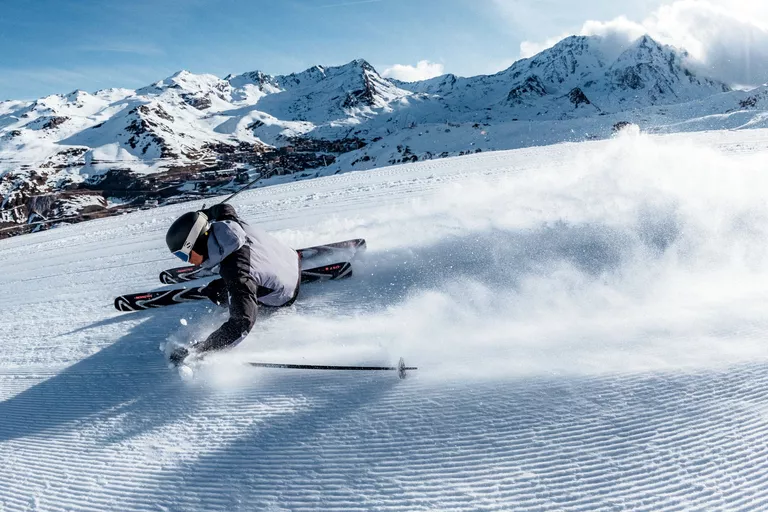
You don’t need a ski for every possible condition. You need one that keeps up when the plan changes.
That’s the idea behind the Salomon QST.
If you’re deciding between models or want to ski before you buy, the team at Christy Sports and Sturtevant’s can help you compare options, dial in sizing, or get on snow through demos and Test-to-Buy programs.
Last updated: December 30, 2025
Ski & Snowboard,
Gear Guides
Dec 30, 2025
One Ski. No Rules. Why the Salomon QST Is Built for How People Actually Ski Today
No two ski days look the same.
Some start smooth and fast, turn playful by midday, and end in chopped-up snow you didn’t plan on skiing but do anyway. That mix of groomers, trees, side hits, and leftovers is the reality of most resort days. Most skis are designed around ideal conditions. Most ski days aren’t.
That’s exactly where the Salomon QST shines. It isn’t built around a single style or condition. It’s built to adapt, so you can ski your day the way it unfolds instead of forcing your gear to keep up.
A Quick Look at the QST Story
The QST story begins more than a decade ago, evolving out of Salomon’s Rocker2 series and formally launching as the QST line around 2016. From the beginning, QST was shaped by a mix of athlete input and everyday skier feedback.
The goal was never to build the stiffest charger or the loosest powder ski, but something in between: playful, intuitive, and versatile enough to ski all over the mountain.
For the 2025/2026 season, Salomon introduced the fourth generation of QST skis, delivering the most significant redesign the line has seen to date. The result is a ski that feels more powerful and composed on firm snow, without losing the surfy, easy-to-ski personality that made QST so popular.
What’s New in the 2025/2026 QST Lineup
This update goes far beyond graphics. For 25/26, Salomon rebuilt the QST from the inside out, focusing on one goal: adding stability and confidence without losing the playful feel that defines the line.
Key updates include:
- Poplar wood cores for a lively, responsive feel and consistent flex
- Full / double sandwich-style sidewalls (combined with cap in select zones) to improve edge grip and precision
- Titanal binding reinforcement plate underfoot for added power transfer and stability on firm snow
- Cork Damplifier 2.0 in the tips (and tails on some models), which absorbs vibration more effectively than traditional materials while keeping swing weight low
- Basalt and fiberglass laminates to smooth out the flex and improve composure in variable snow
Together, these changes make the new QST skis more stable and confidence-inspiring at speed, especially on groomers and in chop, while keeping the playful, pivoty feel that defines the line.
The Everyday Standouts: QST 94 and QST 100
The QST lineup covers a range of widths, but for most resort skiers, the sweet spot lives in the middle. These are the skis that work on more days than not, and for more skiers than you might expect.
QST 94: The Groomer-Friendly All-Mountain Pick
With a 94 mm waist, the QST 94 replaces the previous QST 92 and lands squarely in all-mountain territory. It’s quick edge-to-edge, grips confidently on groomers, and still has enough tip width and rocker to handle bumps, trees, and softer snow days.
This ski feels especially at home on resort snowpacks where firm mornings are common, but conditions change throughout the day. It’s a balanced, predictable ski that rewards good technique without punishing mistakes.
Why skiers choose it:
For many skiers, the QST 94 is a smart, no-regret choice—stable, versatile, and approachable enough to ski confidently right away, with room to grow as skills progress.
Best for:
Intermediate to advanced skiers, Front Range locals, East Coast transplants, and anyone who prioritizes groomer performance but still wants freeride versatility.
QST 100: The One-Ski, All-Day Option
The QST 100 replaces the beloved QST 98 and is widely considered the most versatile ski in the lineup. At 100 mm underfoot, it strikes a balance between carving performance and soft-snow capability.
Compared to earlier versions, the new QST 100 feels slightly more planted, with better stability in chopped-up snow and at higher speeds. At the same time, it remains playful and intuitive, encouraging smears, slashes, and creative lines around the mountain.
Why skiers choose it:
If you want one ski that can handle almost anything the resort throws at you, the QST 100 is a safe, confident choice that works for a wide range of skiers and conditions.
Best for:
Intermediate-to-advanced skiers who want one ski for mixed conditions, powder stashes, and everyday resort skiing.
QST 94 vs. QST 100: Which One Is Right for You?
- Waist width: ~94 mm
- Feel: Quick, precise, and stable on edge
- Best snow: Groomers, bumps, and mixed resort conditions
- Skier level: Intermediate to advanced
- Ideal for: Skiers who spend more time on trail but want freeride versatility
- Waist width: ~100 mm
- Feel: Playful, versatile, and more planted at speed
- Best snow: Soft snow, chop, and all-day resort skiing
- Skier level: Intermediate to advanced
- Ideal for: Skiers looking for a true one-ski quiver that adapts to changing conditions
When in doubt, think about where you ski most days.
What About Wider QST Models?
For skiers who spend more time chasing soft snow, the QST 106 sits further into freeride territory. It offers more float and a looser feel while keeping the same QST DNA, making it a natural step up for deeper days or softer snowpacks.
Who the Salomon QST Is Really For
The QST line is ideal if you:
- Want one ski that works across changing resort conditions
- Value a playful, intuitive feel without giving up edge hold
- Ski groomers, trees, bumps, and variable snow in the same day
- Prefer gear that grows with your confidence instead of boxing you into a category
These aren’t race skis or full-on big-mountain chargers. They’re skis for skiers who want freedom, confidence, and versatility, day after day.
Salomon QST FAQs
What’s the difference between the QST 94 and QST 100?
It comes down to width and where you ski most.
- QST 94 is quicker edge-to-edge and feels more precise on groomers and firmer snow.
- QST 100 adds float and stability for soft snow, chop, and all-day resort skiing.
If most of your days are spent on groomed runs, the QST 94 is the better fit. If you’re looking for one ski that can handle a wide range of conditions, the QST 100 is the more versatile choice.
Is the Salomon QST a good one-ski quiver?
Yes. That’s the core idea behind the QST line. It’s built to handle groomers, bumps, trees, and variable snow without feeling overly specialized, making it a reliable everyday ski for many resort skiers.
What changed in the 2025/2026 QST redesign?
The latest generation focuses on better stability and edge hold, especially on firm snow. Updates include refined shapes, poplar wood cores, Cork Damplifier 2.0 for improved damping, and a titanal binding reinforcement plate underfoot.
Are QST skis good for intermediate skiers?
Yes. QST skis are approachable enough for strong intermediates but stable enough to grow with you. They’re a good choice if you want a ski you won’t outgrow quickly as your confidence increases.
How does the QST compare to other Salomon skis?
Compared to more directional, power-focused skis like the Stance line, the QST is more versatile and intuitive. It’s designed for skiers who want freedom to explore the whole mountain rather than charge one specific type of terrain.
Should I demo the QST before buying?
If you have the option, yes. The QST has a distinct feel that many skiers appreciate once they’re on snow. Christy Sports’ Try Before You Buy Program makes it easy to try before committing.
How do I keep my skis performing well all season?
Regular waxing and edge tuning help your skis glide faster, hold an edge better, and feel more predictable in changing conditions. A quick mid-season check can also catch small issues before they affect performance.
For a simple checklist, see Christy Sports’ mid-winter gear check guide.
One Ski. A Lot of Terrain.
You don’t need a ski for every possible condition. You need one that keeps up when the plan changes.
That’s the idea behind the Salomon QST.
If you’re deciding between models or want to ski before you buy, the team at Christy Sports and Sturtevant’s can help you compare options, dial in sizing, or get on snow through demos and Test-to-Buy programs.
Last updated: December 30, 2025