Rental,
Gear Guides,
Destination Guides,
Kids
Jan 10, 2026
Family Ski Trip Survival Guide: 8 Tips for Hitting the Slopes with Kids
Taking a ski trip with kids can be a blast, but it comes with a reality every parent knows. Cold hands before the first run, unexpected bathroom breaks, snack negotiations in ski boots, and the occasional early “I’m done” moment. With a little planning, those moments don’t have to derail the day. This guide is here to help you keep kids warm, comfortable, and confident so you can spend less time troubleshooting and more time making memories together. At Christy Sports, we help families simplify the logistics with the right gear, convenient locations, and expert teams who know what works on real mountain days.
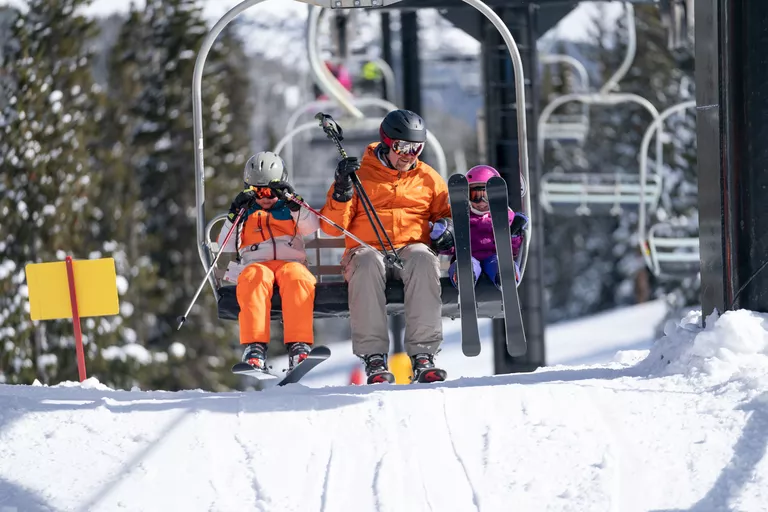
1. Lessons Make All the Difference
Most ski resorts offer kids’ lessons starting around ages 3–4, and enrolling early can set the tone for your entire trip. Professional ski instructors are trained to teach kids safely, patiently, and in ways that make learning feel like play, not pressure. Even confident skiers often find that kids progress faster and stay more motivated when learning from someone other than a parent.
Lessons are typically available in half- or full-day formats. And if you’re traveling during holidays or peak weekends, book lessons as early as possible. Popular time slots fill quickly, especially for younger age groups.
2. Stay at Their Level
It’s natural to want to see your kids tackle tougher runs, but remember to stick to their comfort zone. After lessons, ask your child’s instructor which slopes to try as a family. Give your kids a chance to show off their new skills on familiar terrain, and you’ll see their confidence soar! Pushing them too soon can lead to fear and frustration, so keep it fun and easygoing.
3. Plan for Comfort: Dress in Layers
Cold fingers and toes can end a ski day fast, so dressing kids properly matters more than almost anything else. Start with a moisture-wicking base layer like the Hot Chillys Micro-Elite Chamois Printed Crewneck Youth and Hot Chillys Micro-Elite Chamois Print Tights Kids (skip cotton, which traps moisture and makes kids colder), add a warm mid-layer, and finish with a waterproof, insulated outer layer built for snow. Well-fitting gloves or mittens are just as important. Thin, inexpensive pairs rarely hold up to real mountain conditions.
If you want to go deeper, our layering guide breaks down exactly how to build a system that works for changing weather and energy levels. We also recommend reviewing kids’ base layers ahead of your trip and making sure helmets and goggles fit properly before you arrive, two items parents often overlook but kids feel immediately on snow. For a complete checklist, see our What to Pack for a Family Ski Trip guide. Need help dialing in fit before your trip? Our Christy Sports service teams can check helmets, goggles, and boots in-store.
4. Rent, Don’t Buy (at Least at First)
Skiing comes with a lot of gear, and kids outgrow it fast. Renting makes family trips simpler. You can travel lighter, avoid hauling bulky equipment, and get gear matched to your child’s size, ability, and current snow conditions. If something doesn’t feel right, easy swaps help keep the day moving without added stress. Helmets are also available to rent and strongly recommended for kids.
The Kids Rent Free program makes getting started even easier. Kids 12 and under ski free with any qualifying 4+ day adult ski or snowboard rental package. Reserve your rentals at least 24 hours in advance and receive 20% off your adult package, helping you save time and money once you arrive.
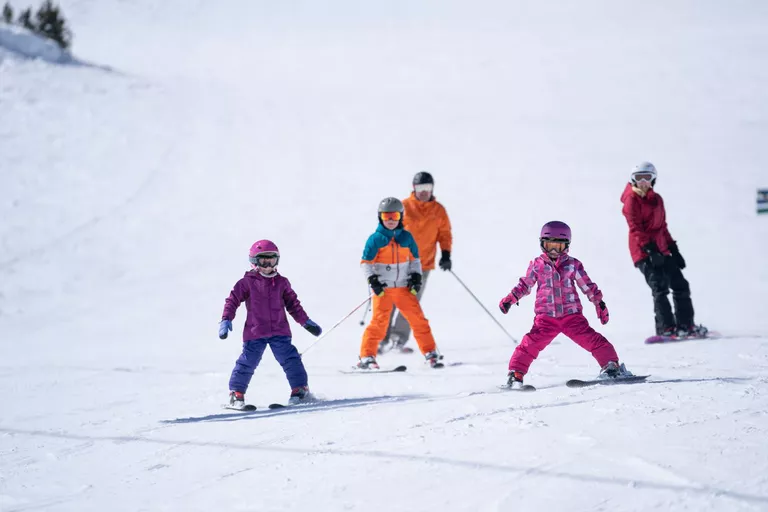
5. Pick a Family-Friendly Resort
Some ski resorts are more accommodating for families than others. Look for resorts that offer beginner-friendly runs, ski schools, and kid-specific programming. Many family-focused resorts have sledding hills, tubing areas, and other off-slope activities that let you have fun together beyond skiing. Winter Park and Steamboat in Colorado, and Park City in Utah are popular family skiing choices.
6. Pack Snacks and Hydrate Often
Mountain air and physical activity can quickly dehydrate kids, so bring plenty of water and easy snacks like granola bars, fruit, or crackers. Ski resort food can be pricey, so having snacks on hand is cost-effective and convenient. A mid-morning snack break on the slopes can be a lifesaver if your little ones get cranky.
7. Plan for Downtime and Break Days
Skiing can be exhausting, especially for young kids. Schedule some downtime each day, and if you’re on an extended trip, plan a rest day for activities like sledding or exploring the village. This helps avoid burnout, keeping everyone excited for the next day on the mountain.
8. Timing Matters More Than You Think
When skiing with kids, timing can make or break the day. Starting early often means calmer slopes, better snow, and more energy all around. It’s also okay to call it before fatigue sets in. Ending on a good note keeps kids excited to come back the next day.
Plan lunch outside peak hours if you can. Resort dining areas are busiest between 11:30 a.m. and 1:00 p.m., and long lines can quickly drain patience. Keep in mind that afternoon conditions often change as temperatures rise and crowds build, which can be especially challenging for younger skiers. A shorter, well-timed day often leads to more smiles than pushing for one last run.
Family Ski Trip FAQs
What age can kids start skiing?
Most ski resorts offer beginner lessons for children starting around ages 3 to 4. In addition to age, many programs require kids to be fully potty trained and able to follow basic instructions. Readiness matters more than age. If your child can stay warm, communicate needs, and enjoy being outside for a few hours, they are likely ready to try skiing.
Is it better to rent or buy ski gear for kids?
For most families, renting is the easiest option. Kids grow quickly, and rentals make it simple to get the right size without the cost or storage of buying gear. Renting also allows for easy swaps if something does not feel right and ensures equipment is appropriate for current snow conditions.
Do kids really need helmets and goggles?
Yes. Helmets are strongly recommended for kids of all ability levels, and goggles protect eyes from wind, snow, and sun exposure at higher elevations. Proper fit is important for both comfort and safety, especially for younger skiers.
How long should kids ski each day?
For many kids, especially beginners, a half day is plenty. Starting early and finishing before fatigue sets in often leads to a better experience than pushing for more runs. Ending the day while kids are still having fun helps build confidence for future ski days.
What should kids wear under their ski jackets and pants?
Kids should wear a moisture-wicking base layer, a warm mid-layer, and a waterproof outer layer. Avoid cotton, which holds moisture and can make kids cold quickly once they start moving or stop for breaks.
When should we book rentals and lessons?
Book rentals and lessons as soon as your travel dates are confirmed. Holidays, weekends, and peak season dates fill quickly, especially for kids’ lesson programs and smaller gear sizes. Reserving at least 24 hours in advance also helps save time and money once you arrive.
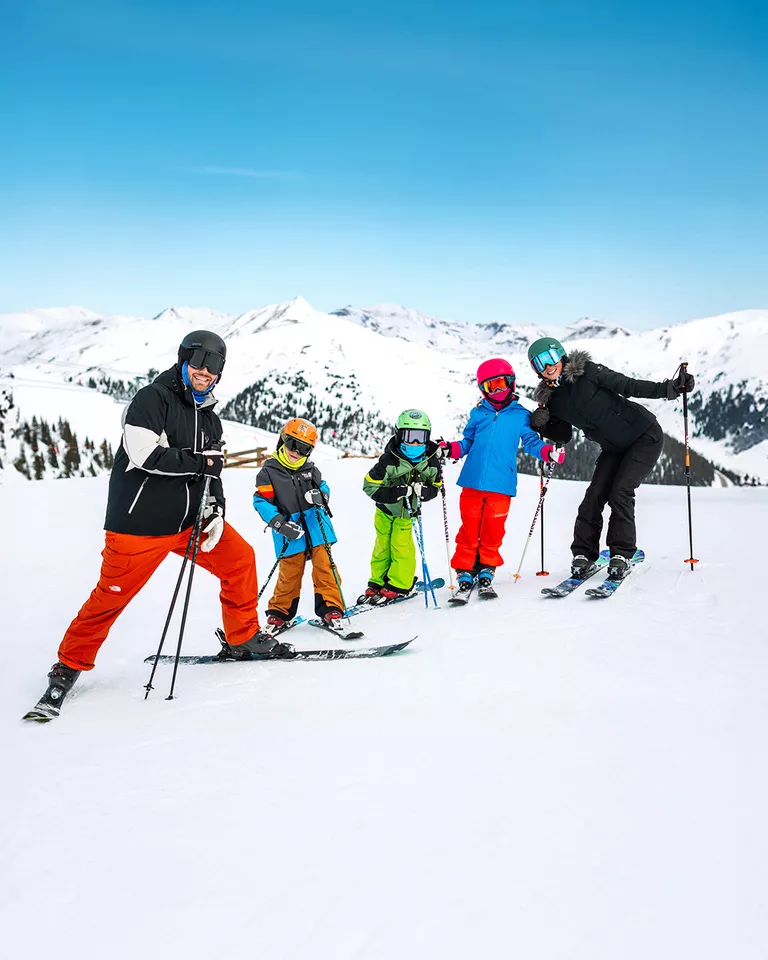
Ski days with kids don’t have to be long to be meaningful. Short mornings, a few confident runs, and ending the day while everyone is still smiling all count as wins. What matters most is that kids feel warm, comfortable, and proud of what they tried.
With a little planning and the right support, ski trips become less about how many runs you log and more about shared moments you’ll remember long after the gear is packed away. Those small successes build confidence, spark excitement for the next trip, and turn time outside into something your family looks forward to year after year. Because when it comes to making memories together, outside really is better.
Last Updated: January 10, 2026
Rental,
Gear Guides,
Destination Guides,
Kids
Jan 10, 2026
Family Ski Trip Survival Guide: 8 Tips for Hitting the Slopes with Kids
Taking a ski trip with kids can be a blast, but it comes with a reality every parent knows. Cold hands before the first run, unexpected bathroom breaks, snack negotiations in ski boots, and the occasional early “I’m done” moment. With a little planning, those moments don’t have to derail the day. This guide is here to help you keep kids warm, comfortable, and confident so you can spend less time troubleshooting and more time making memories together. At Christy Sports, we help families simplify the logistics with the right gear, convenient locations, and expert teams who know what works on real mountain days.
1. Lessons Make All the Difference
Most ski resorts offer kids’ lessons starting around ages 3–4, and enrolling early can set the tone for your entire trip. Professional ski instructors are trained to teach kids safely, patiently, and in ways that make learning feel like play, not pressure. Even confident skiers often find that kids progress faster and stay more motivated when learning from someone other than a parent.
Lessons are typically available in half- or full-day formats. And if you’re traveling during holidays or peak weekends, book lessons as early as possible. Popular time slots fill quickly, especially for younger age groups.
2. Stay at Their Level
It’s natural to want to see your kids tackle tougher runs, but remember to stick to their comfort zone. After lessons, ask your child’s instructor which slopes to try as a family. Give your kids a chance to show off their new skills on familiar terrain, and you’ll see their confidence soar! Pushing them too soon can lead to fear and frustration, so keep it fun and easygoing.
3. Plan for Comfort: Dress in Layers
Cold fingers and toes can end a ski day fast, so dressing kids properly matters more than almost anything else. Start with a moisture-wicking base layer like the Hot Chillys Micro-Elite Chamois Printed Crewneck Youth and Hot Chillys Micro-Elite Chamois Print Tights Kids (skip cotton, which traps moisture and makes kids colder), add a warm mid-layer, and finish with a waterproof, insulated outer layer built for snow. Well-fitting gloves or mittens are just as important. Thin, inexpensive pairs rarely hold up to real mountain conditions.
If you want to go deeper, our layering guide breaks down exactly how to build a system that works for changing weather and energy levels. We also recommend reviewing kids’ base layers ahead of your trip and making sure helmets and goggles fit properly before you arrive, two items parents often overlook but kids feel immediately on snow. For a complete checklist, see our What to Pack for a Family Ski Trip guide. Need help dialing in fit before your trip? Our Christy Sports service teams can check helmets, goggles, and boots in-store.
4. Rent, Don’t Buy (at Least at First)
Skiing comes with a lot of gear, and kids outgrow it fast. Renting makes family trips simpler. You can travel lighter, avoid hauling bulky equipment, and get gear matched to your child’s size, ability, and current snow conditions. If something doesn’t feel right, easy swaps help keep the day moving without added stress. Helmets are also available to rent and strongly recommended for kids.
The Kids Rent Free program makes getting started even easier. Kids 12 and under ski free with any qualifying 4+ day adult ski or snowboard rental package. Reserve your rentals at least 24 hours in advance and receive 20% off your adult package, helping you save time and money once you arrive.
5. Pick a Family-Friendly Resort
Some ski resorts are more accommodating for families than others. Look for resorts that offer beginner-friendly runs, ski schools, and kid-specific programming. Many family-focused resorts have sledding hills, tubing areas, and other off-slope activities that let you have fun together beyond skiing. Winter Park and Steamboat in Colorado, and Park City in Utah are popular family skiing choices.
6. Pack Snacks and Hydrate Often
Mountain air and physical activity can quickly dehydrate kids, so bring plenty of water and easy snacks like granola bars, fruit, or crackers. Ski resort food can be pricey, so having snacks on hand is cost-effective and convenient. A mid-morning snack break on the slopes can be a lifesaver if your little ones get cranky.
7. Plan for Downtime and Break Days
Skiing can be exhausting, especially for young kids. Schedule some downtime each day, and if you’re on an extended trip, plan a rest day for activities like sledding or exploring the village. This helps avoid burnout, keeping everyone excited for the next day on the mountain.
8. Timing Matters More Than You Think
When skiing with kids, timing can make or break the day. Starting early often means calmer slopes, better snow, and more energy all around. It’s also okay to call it before fatigue sets in. Ending on a good note keeps kids excited to come back the next day.
Plan lunch outside peak hours if you can. Resort dining areas are busiest between 11:30 a.m. and 1:00 p.m., and long lines can quickly drain patience. Keep in mind that afternoon conditions often change as temperatures rise and crowds build, which can be especially challenging for younger skiers. A shorter, well-timed day often leads to more smiles than pushing for one last run.
Family Ski Trip FAQs
What age can kids start skiing?
Most ski resorts offer beginner lessons for children starting around ages 3 to 4. In addition to age, many programs require kids to be fully potty trained and able to follow basic instructions. Readiness matters more than age. If your child can stay warm, communicate needs, and enjoy being outside for a few hours, they are likely ready to try skiing.
Is it better to rent or buy ski gear for kids?
For most families, renting is the easiest option. Kids grow quickly, and rentals make it simple to get the right size without the cost or storage of buying gear. Renting also allows for easy swaps if something does not feel right and ensures equipment is appropriate for current snow conditions.
Do kids really need helmets and goggles?
Yes. Helmets are strongly recommended for kids of all ability levels, and goggles protect eyes from wind, snow, and sun exposure at higher elevations. Proper fit is important for both comfort and safety, especially for younger skiers.
How long should kids ski each day?
For many kids, especially beginners, a half day is plenty. Starting early and finishing before fatigue sets in often leads to a better experience than pushing for more runs. Ending the day while kids are still having fun helps build confidence for future ski days.
What should kids wear under their ski jackets and pants?
Kids should wear a moisture-wicking base layer, a warm mid-layer, and a waterproof outer layer. Avoid cotton, which holds moisture and can make kids cold quickly once they start moving or stop for breaks.
When should we book rentals and lessons?
Book rentals and lessons as soon as your travel dates are confirmed. Holidays, weekends, and peak season dates fill quickly, especially for kids’ lesson programs and smaller gear sizes. Reserving at least 24 hours in advance also helps save time and money once you arrive.
Ski days with kids don’t have to be long to be meaningful. Short mornings, a few confident runs, and ending the day while everyone is still smiling all count as wins. What matters most is that kids feel warm, comfortable, and proud of what they tried.
With a little planning and the right support, ski trips become less about how many runs you log and more about shared moments you’ll remember long after the gear is packed away. Those small successes build confidence, spark excitement for the next trip, and turn time outside into something your family looks forward to year after year. Because when it comes to making memories together, outside really is better.
Last Updated: January 10, 2026