Ski & Snowboard,
Gear Guides,
Destination Guides,
Kids
Dec 18, 2025
What to Wear Skiing & Snowboarding in Colorado & Utah in 2025/26 – The Ultimate Rockies Layering Guide
If you have ever skied the Rockies, you already know the truth: you can experience all four seasons in a single chairlift ride. One minute, you are scraping ice at Loveland in a -5 °F December sunrise. Two hours later, you are shedding layers on Snowbird’s Cirque Traverse under blazing high-altitude sun. Come spring, you are in a T-shirt at A-Basin’s Beach by noon and back in a puffy by 3 p.m. when the wind picks up off the Divide.
That is the magic and chaos of skiing and riding in Colorado and Utah. It is also why one of the top questions guests ask in our Christy Sports shops from Park City to Dillon is, “What should I actually wear on the mountain?”
The good news: you do not need a closet full of jackets or a different kit for every resort. Instead, you need a smart, Rockies-specific layering system that is built for dry cold, high elevation, and some of the most dramatic temperature swings in North America.
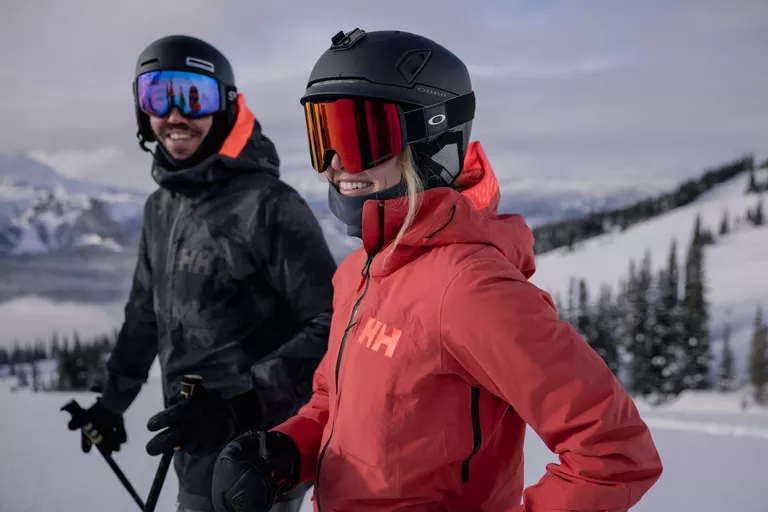
Here is a quick cheat sheet before we dive in:
Colorado
- Colder mornings, often in the single digits
- Wind at Loveland, A-Basin, and Breck can be brutal
- Intense high-altitude sun
Utah
- Slightly warmer average temperatures
- Big storm cycles at Alta and Snowbird
- Equally strong high-altitude sun with famously dry powder
This guide gives you a single, packable kit that works from:
- Loveland on opening day in October
- Snowbird during a January snow cycle
- Vail, Park City, or Telluride during bluebird weeks
Every recommendation comes straight from decades of skiing resorts in both states, plus thousands of conversations with guests walking into our stores from Copper to Kimball Junction.
Let us build your perfect Rockies layering kit so you always know what to wear skiing in Colorado and Utah.
The 4-Layer System That Actually Works in Dry Cold
1. Base Layer: Moisture Manager
Choose merino wool for its natural warmth, breathability, and odor resistance. Synthetic can work, but merino thrives in the Rockies’ dry cold and long lift rides. Here are a few of our favorite options from Smartwool and Le Bent for both men and women.
Smartwool Merino base layers provide warm, breathable, moisture-managing comfort that works as a reliable next-to-skin foundation for cold ski days.
- Smartwool Merino 250 Base Layer Long Sleeve (Men’s) & Smartwool All Season Merino Base Layer Bottom (Men’s)
- Smartwool All Season Merino Base Layer Long Sleeve (Women’s) & Smartwool Merino 250 Base Layer Bottom (Women’s)
Le Bent base layers use a soft merino and bamboo blend with temperature-regulating, odor-resistant performance, delivering breathable warmth in both midweight and heavyweight options for reliable comfort on cold ski days.
- Le Bent Heavyweight Grid Fleece Crew Base Layer (Men’s) & Le Bent Core 200 Bottoms (Men’s)
- Le Bent Midweight Bottoms Base Layer (Women’s) & Le Bent Heavyweight Grid Fleece Crew Base Layer (Women’s)
Choose a weight that matches your personal thermostat. If you tend to run cold, start with heavier merino. If you heat up fast on traverses at Breck or Alta, a lighter merino base is your best friend.
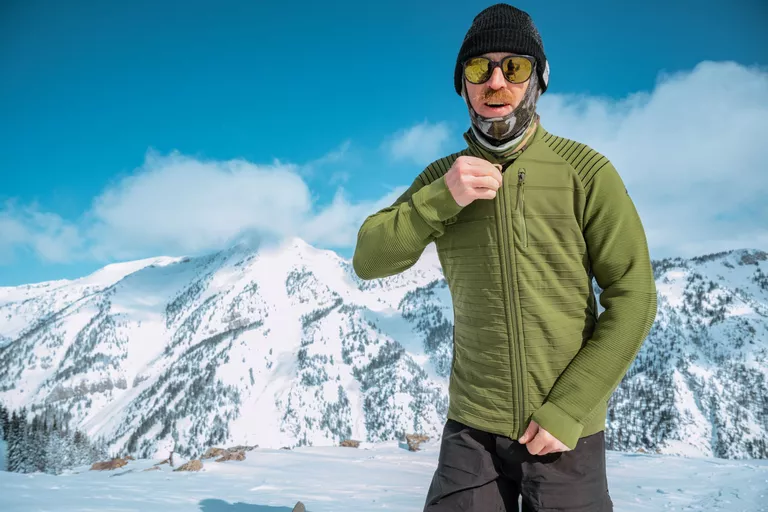
2. Midlayer: Active Insulation
Once you have built a solid foundation with a moisture-wicking base layer, your midlayer is what fine-tunes your temperature for the day. In the Rockies, it has to do two things exceptionally well: trap heat without turning you into a furnace. That is where active insulation shines. These pieces balance warmth and breathability, moving moisture away as you hike to Honeycomb Canyon and keeping you toasty when you are cruising groomers at Vail. Whether you prefer a synthetic puffy or a technical fleece, the right midlayer keeps your kit adaptable, lightweight, and ready for whatever the weather throws at you.
Patagonia Nano Puff Jacket (Women's): delivers lightweight, packable warmth with weather-resistant insulation that works perfectly as a midlayer on cold ski days or a standalone jacket around town.
Norrona Lofoten Warm2 Jacket (Women’s): cozy, high-loft fleece built for serious warmth, offering breathable insulation that layers effortlessly under a shell for cold resort days or stands alone for laid-back mountain comfort.
Patagonia Nano Puff Vest (Men’s): lightweight, packable insulating layer that adds core warmth without bulk, making it ideal for skiing, travel, or everyday wear in changing mountain conditions.
Head KORE Insulated Jacket (Men's): warm, low-bulk, all-mountain jacket with waterproof protection and breathable PrimaLoft® insulation, ideal for versatile Colorado and Utah conditions.
Why Pick a Fleece vs. a Puffy vs. a Vest
- Fleece: Choose fleece when you want breathable warmth that stays comfortable across different activity levels. Fleece releases heat quickly, keeps you from getting sweaty, and layers smoothly under a shell, which is ideal for skiers and riders who warm up fast.
- Puffy (synthetic insulator): Reach for a puffy when you want the most warmth with the least weight. Synthetic insulation continues to perform even if it becomes damp, which makes a puffy reliable for cold resort days and longer lift rides.
- Vest: A vest focuses on keeping your core warm while leaving your arms free for natural movement. It is a smart choice for mild days or for people who tend to run warm but still want protection from wind and early-morning chill, and it adds insulation without much bulk.
3. Shell or Insulated Jacket: Weather Shield
With your base and midlayer dialed, your outerwear becomes the piece that stands between you and whatever the mountain throws your way. In the Rockies, that can mean cold bluebird mornings, sudden wind on the ridge, or a fast-moving afternoon snow squall. Your jacket needs to protect you from the elements and still stay breathable enough for active skiing and riding. Shells excel in variable conditions and give you maximum layering control, while lightly insulated jackets add just the right amount of warmth without feeling bulky. The right choice keeps you comfortable, dry, and ready for any kind of day, from early-season corduroy to deep midwinter storms.
HEAD KORE Jacket (Women’s): lightweight, weatherproof shell with breathable insulation and a streamlined fit that delivers versatile protection for active days on the mountain.
Norrona Lofoten GORE-TEX Jacket (Women’s): durable, weatherproof shell built for storm protection and breathable performance, offering reliable comfort for active skiers in changing mountain conditions.
Helly Hansen Alpha LifaLoft Jacket (Men's): delivers lightweight warmth, waterproof protection, and a comfortable, athletic fit that works well for a full season of resort skiing. If you purchase Helly Hansen, you may qualify for the Helly Hansen Ski Free program, which offers a complimentary lift ticket at participating resorts.
686 GORE-TEX GT Thermagraph Jacket (Men’s): combines waterproof GORE-TEX protection with mapped Thermagraph insulation for warm, breathable performance that adapts to changing conditions on the mountain.
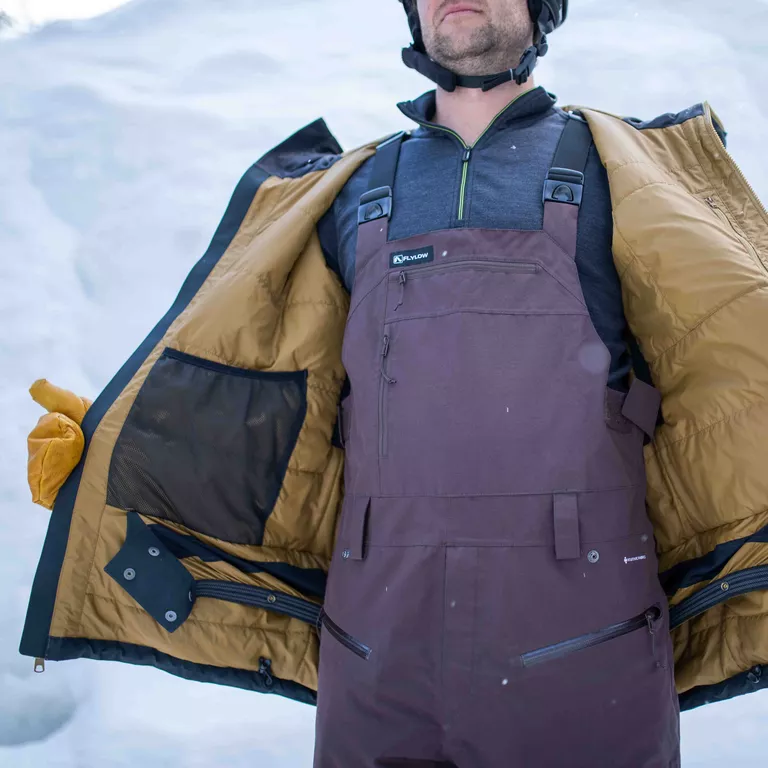
4. Outerwear Pants & Bibs: Your Lower-Body Weather Shield
Your pants or bibs do some of the hardest work on the mountain: blocking wind, keeping out snow, and regulating heat as temperatures swing from cold mornings to warm, sunny afternoons. In the Rockies, you want weatherproof, breathable legwear that moves easily and performs across deep powder, groomers, and spring slush. Here are four reliable options built for Colorado and Utah conditions.
Women’s Pants & Bibs
Helly Hansen Legendary Pants: a warm, waterproof, lightly insulated pant with exceptional mobility and breathability, giving you dependable protection from storm days at Snowbird to bluebird groomers at Vail.
Halfdays Emma Softshell Pants: offer warm, stretchy, breathable comfort with a flattering tailored fit and water-resistant softshell fabric that performs well on cold resort days and sunny spring laps.
⛷️ If you’re building your kit for colder morning groomers or exploring variable terrain, pair your layers with a ski that thrives in mixed conditions, like the Blizzard Black Pearl 88. Our team breaks down why women love it in our recent blog: Empowering the Next Decade: How Blizzard’s Black Pearl 88 10th Anniversary Edition Is Redefining Women’s Skiing Through Community and Innovation.
Men’s Pants & Bibs
Mountain Hardwear Firefall Bib: a versatile, lightweight bib offering waterproof protection, smart insulation, and efficient venting, ideal for long days, cold mornings, and warm spring conditions.
686 Hot Lap Insulated Bib (Men’s): keeps you warm, dry, and comfortable on variable mountain days with lightweight insulation, dependable waterproofing, and a durable, easy-moving fit.
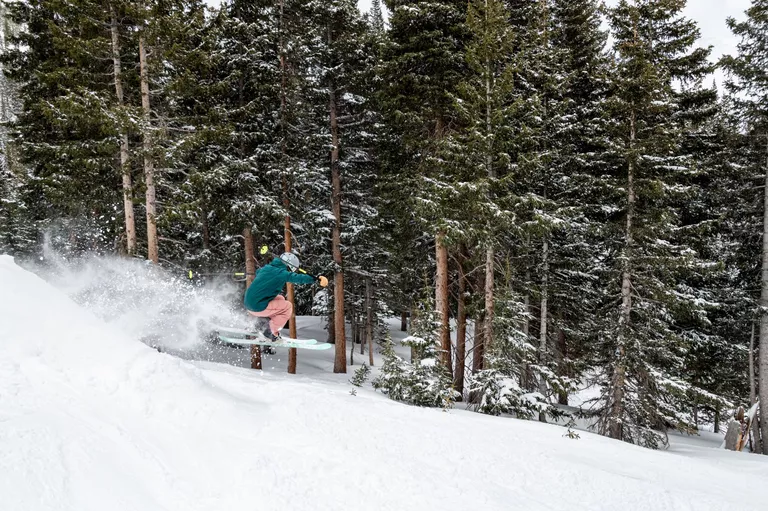
5. Face, Hands, Head, & Feet: The Small Things That Make or Break Your Day
Once your main layers are set, real comfort comes from dialing in the accessories that protect your face, fingers, head, and feet. Colorado and Utah’s dry air, bright sun, and sudden wind shifts make these pieces essential, not optional. The right balaclava keeps your skin warm without overheating, the right gloves keep your hands working on cold lift rides, the right helmet manages airflow and warmth, and the right socks regulate temperature inside your boots. Think of these items as the final layer of climate control that keeps you comfortable from first chair to last laps.
Face Protection: Warm, breathable coverage that prevents windburn and keeps your goggles clear.
- Smartwool Merino 250 Balaclava: soft merino warmth that seals out wind while staying breathable enough for high-output skiing.
- Turtle Fur Stria Shellaclava: a plush, quick-drying hood that adds cozy face protection without fogging your goggles.
- Le Bent Waffle Midweight Balaclava: a temperature-regulating merino-blend balaclava with a flexible fit that works comfortably under any helmet.
- BlackStrap Camber Hood: a dual-layer, adjustable hood that offers full-coverage protection with excellent breathability for storm days.
Hands: Cold fingers end ski days quickly. Choose insulated, wind-resistant gloves or mitts.
- Dakine Sequoia GORE-TEX Mitts (Women's): waterproof, warm mitts with a removable liner that keeps hands dry and comfortable in variable conditions.
- Swany X-Cell Gloves (Women's): offer exceptional warmth and weather protection with premium insulation, a durable leather palm, and a waterproof insert that keeps hands comfortable on the coldest ski days.
- Hestra Army Leather Heli Ski Gloves (Men's): durable, all-mountain gloves with excellent grip and dependable warmth for long, cold lift rides.
- Hestra Heater Gauntlet Gloves: battery-powered heated gloves that provide consistent, adjustable heat while maintaining strong weather protection.
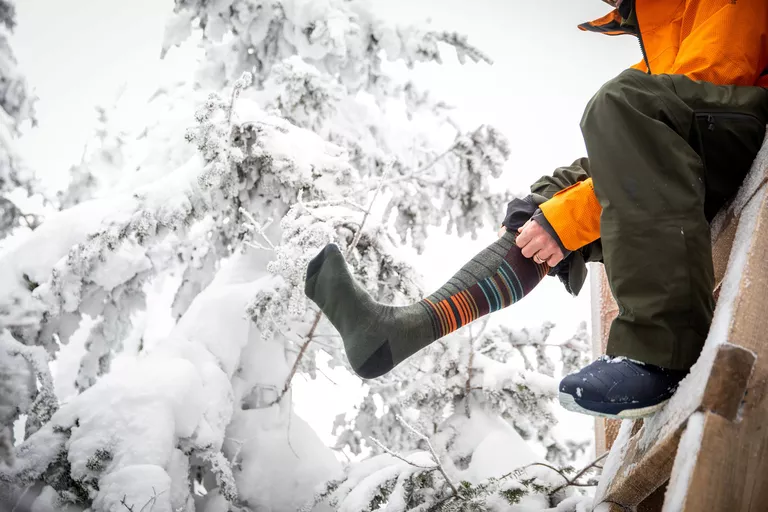
Feet: Thin, technical merino socks regulate warmth, manage moisture, and keep boots fitting properly.
- Darn Tough Snowscape Socks (Women's): lightweight merino socks with targeted cushioning and a stay-put fit for all-day comfort.
- Smartwool Moon Energy Socks (Women's): soft merino socks with supportive cushioning designed for warm feet on long resort days.
- Darn Tough Solstice OTC Lightweight Snow Socks (Men's): durable merino socks with light cushioning that balance warmth, breathability, and a precise boot feel.
- Le Bent The Fit Zero Cushion Socks (Men's): ultralight, temperature-regulating socks that offer a smooth, blister-free fit for performance boots.
- Sidas S-1400B Heated Socks: rechargeable heated socks that deliver steady warmth for subzero starts and long chairlift rides.
Ski & Snowboard Goggles: A spare lens is non-negotiable in the Rockies.
- Giro Contour RS + Vivid Rose Gold / Vivid Infrared: a low-profile goggle with crisp contrast and quick-change lenses for sun and storm days.
- Smith 4D MAG Goggles with ChromaPop Everyday Blue Mirror Lens: deliver a wide, distortion-free field of view and versatile all-conditions clarity, pairing Smith’s quick-swap MAG lens system with ChromaPop contrast enhancement for sharp vision from storm days to bluebird laps.
- Atomic Four Q HD Goggles: provide a modern, frameless, cylindrical design with HD lens technology the gives sharp performance in all conditions.
Helmets: Lightweight protection with adjustable ventilation for changing temperatures.
- Giro Terra MIPS Helmet (Women's): offers low-profile, lightweight protection with MIPS technology, adjustable ventilation, and a comfortable fit designed for all-day confidence on the mountain.
- Smith Liberty MIPS (Women's): a warm, ventilated helmet with MIPS protection and a plush liner that feels great all day.
- Smith Nexus MIPS Helmet (Men's): combines lightweight, durable protection with advanced MIPS safety technology and adjustable ventilation, creating a comfortable, high-performance helmet for all-season resort skiing.
- Giro Jackson MIPS (Men's): a sleek, modern helmet with dependable MIPS safety tech and easily adjustable airflow.
Helmet & Goggles Combo Option
- Salomon Driver Prime Sigma: a visor-style helmet that offers seamless goggle integration and Sigma optics for bright, clear vision.
Rockies-Specific Layering Recipes
These three go-to outfits cover almost every day you will see skiing or snowboarding in Colorado and Utah, from the coldest mornings at Loveland to spring corn laps at Snowbird and A-Basin.
Cold Early-Season Morning (-10 °F to 20 °F)
Perfect for opening weeks at Loveland, A-Basin, and Copper or the first big storm at Park City. Build around a heavyweight merino base, a warm midlayer, and insulated outerwear, then add a balaclava, heated gloves, and heated socks for extra comfort.
As you dial in your layering strategy for different Rockies conditions, your ski and snowboard choice matters too. Our Ski & Snowboard Quiver Guides breaks down which skis shine in powder, on groomers, or across the whole mountain.
🏂 How to Build your Perfect Snowboard Quiver
⛷️ How to Build Your Perfect Ski Quiver
Five Mistakes Everyone Makes Their First Season Skiing in the Rockies
- Wearing cotton anywhere on your body. It traps moisture and freezes.
- Ignoring wind at Loveland, A-Basin, and Breck. Bring a balaclava. Always.
- Not carrying a spare lens. The sun changes fast in the Rockies.
- Buying too thick a sock. Thin merino works best in modern boots.
- Overinsulating. Breathability beats bulk every time at altitude.
Kids’ Layering: Same Rules, Smaller Gear
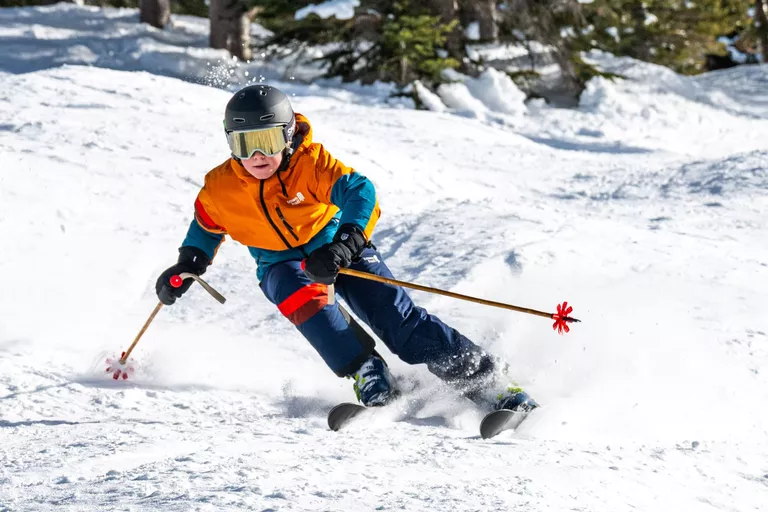
Kids run hot and cold, literally, often in the span of a single run. That’s why the same smart layering system adults use works perfectly for them too. The goal is simple: keep them warm, dry, and comfortable so they can stay outside longer and have more fun. With the right base layers, midlayers, and outerwear, little skiers and riders get big-mountain comfort without bulk, overheating, or constant ‘I’m cold’ chairlift breaks.
Kids’ Baselayers
Hot Chillys Micro Elite Chamois Printed Crewneck – Youth: warm, stretchy, moisture-wicking base layer top that keeps kids comfortable and dry, with fun prints that make gearing up for the mountain a little more exciting.
Hot Chillys Micro Elite Chamois Printed Tights – Kids: lightweight, cozy, and quick-drying, these printed base layer tights give kids soft next-to-skin warmth and reliable performance for cold ski days or any winter adventure.
Kids’ Midlayers
Airblaster Jr. Fleece Jacket: a cozy, breathable midlayer with soft insulation and everyday comfort, perfect for slipping under a ski shell or wearing on its own from school days to snowy adventures.
Town Hall Midtown Fleece Jacket: warm, breathable, everyday-comfort midlayer made with soft recycled materials, giving kids cozy insulation that works on its own or under a ski shell for cold mountain days.
The North Face Glacier ¼-Zip Pullover: lightweight, breathable fleece that adds soft, dependable warmth under a ski jacket or on its own for everyday winter comfort.
Kids’ Ski and Snowboard Jackets, Pants, and Bibs
Town Hall Skip Town Insulated Jacket: warm, waterproof, sustainably built kids’ ski jacket with smart features and mountain-town durability, designed to keep young adventurers comfortable from storm days to sledding sessions.
Flylow Explorer Jacket: warm, weatherproof ski shell built with durable, mountain-ready insulation and easy all-day comfort, giving young skiers the protection they need to explore in any conditions.
Flylow Baker Jr. Bib: durable, weatherproof youth ski bib with great coverage, reliable insulation, and the same rugged performance as the adult version, built to keep kids warm, dry, and comfortable from first chair to last.
Helly Hansen Summit Bib Pants: deliver waterproof, windproof, insulated protection with adjustable coverage and durable construction, keeping young skiers warm, dry, and ready for anything the mountain brings.
Kids’ Accessories
Smith Descend Jr. MIPS Helmet: gives young skiers lightweight, well-ventilated protection with MIPS impact technology and a secure, adjustable fit, keeping them comfortable and confidently covered all day on the mountain.
Smith Daredevil Goggles: give junior skiers wide, fog-free vision, helmet-ready comfort, and versatile low-light performance so they can see clearly from first chair to last.
Swany X-Over Gloves: offer warm, waterproof protection with durable construction and easy-on features, keeping young skiers’ hands comfortable, dry, and ready for every run.
Darn Tough Magic Mountain OTC Socks: give kids warm, breathable, durable comfort with a no-slip fit, offering all-day cushioning and performance for skiing and riding.
BlackStrap Tube Dual-Layer Neck Gaiter: delivers warm, breathable, quick-drying protection with a soft, comfortable fit that shields young skiers from wind, sun, and cold all day on the mountain.
FAQ: What to Wear Skiing in Colorado & Utah
What should I wear skiing in Colorado and Utah?
Wear a moisture-wicking merino base layer, an active-insulation midlayer, and a waterproof shell or lightly insulated jacket. Add weatherproof pants or bibs, thin merino socks, warm gloves or mitts, and a helmet with goggles. This combination handles the dry cold, bright sun, and fast temperature swings across both states.
How many layers do I actually need for skiing in the Rockies?
Most skiers are comfortable with three layers on warm days (base, midlayer, shell) and four layers on cold days (base, warm midlayer, insulation, shell). The key is breathability so you can adjust without overheating.
Should I wear a puffy or a fleece as my midlayer?
Choose a fleece if you run warm or plan to hike, because it breathes extremely well. Choose a synthetic puffy if you run cold or expect long chairlift rides in single-digit temps. Both work in Colorado and Utah; it simply depends on the day and your personal thermostat.
Do I need GORE-TEX outerwear for skiing in Colorado and Utah?
GORE-TEX or comparable waterproof shells are ideal for the Rockies, especially during midwinter storms at Alta, Snowbird, Breck, or Vail. Shells also give you great versatility for spring skiing when temperatures climb into the 40s.
Are bibs better than pants for skiing?
Bibs offer better snow protection and warmth, especially on powder days. Pants tend to feel lighter and cooler and are a good match for spring skiing or riders who want maximum mobility. Both perform well; it is mostly personal preference.
How thick should ski socks be?
Wear thin or ultralight merino socks, not thick socks. Modern ski boots are insulated and designed for a close, precise fit. Thin socks improve circulation, reduce sweating, and keep your feet warmer.
Do I need a separate outfit for spring skiing?
No. Stick with your normal base layer and shell, but open vents, lighten or ditch your midlayer, and use breathable gloves and socks. Sun protection becomes more important than insulation in April and May.
Should I bring a spare goggle lens?
Yes. Colorado and Utah conditions change fast. A second lens (one low light, one bright light) is the single biggest visibility upgrade you can make. It prevents fogging, helps you see terrain, and keeps you skiing safely in sun and storm.
What temperature ranges should I expect in Colorado and Utah?
Expect –10 °F to 20 °F mornings in December and January, 20–35 °F bluebird powder days, and 35–50 °F afternoons in spring. This is why adjustable layers matter more than any single jacket.
What should kids wear skiing in Colorado or Utah?
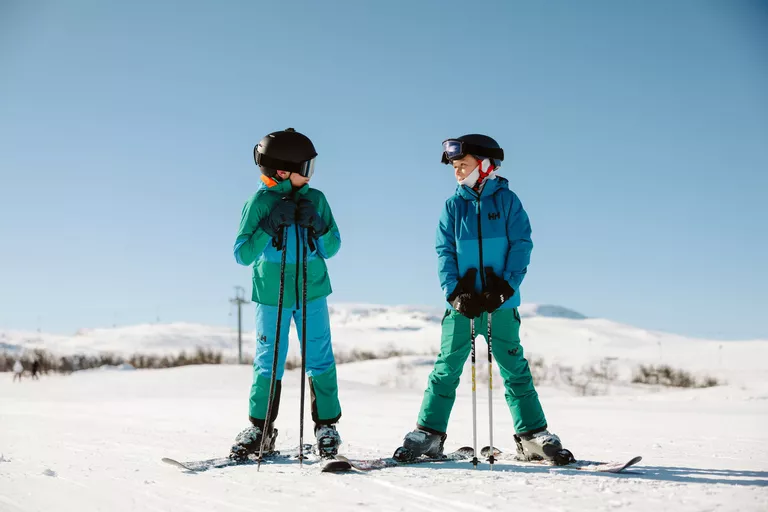
The exact same layering system as adults: merino base layers, a breathable midlayer, a waterproof jacket and pants/bibs, thin merino socks, warm gloves, a balaclava, and a helmet. Kids run hot and cold quickly, so versatile layers are essential.
What items do most beginners forget to bring?
A neck gaiter, sunscreen, glove liners or mitts, thin socks, and a spare goggle lens. These small items make a huge difference in comfort and safety.
Should my layers be tight or loose? What actually performs best?
Your layers should follow a simple rule: fitted on the inside, relaxed on the outside.
Base layers: These should fit close to the skin without feeling restrictive. A snug fit helps wick moisture, regulate temperature, and prevent cold air from sneaking in. If your base layer is loose or bunches inside your jacket, it will not move moisture effectively and you will feel clammy or cold.
Midlayers: Aim for a comfortable, athletic fit. You want enough room for air to circulate, because that trapped warm air is what creates insulation. If a midlayer is too tight, it will not insulate well. If it is too baggy, you will add bulk without adding warmth.
Shells and jackets: Your outer layer should feel relaxed but not oversized. The goal is space for your base and midlayers to work, plus full freedom of movement. You should be able to reach, twist, and zip everything without feeling the fabric pull.
Pants and bibs: Look for a natural, slightly roomy fit that allows for layering and movement. Too-tight pants restrict mobility and reduce insulation. Too-loose pants can feel heavy and let snow in.
The quick test: If you can move easily, stay dry, and your layers do not bunch, you are in the right fit zone.
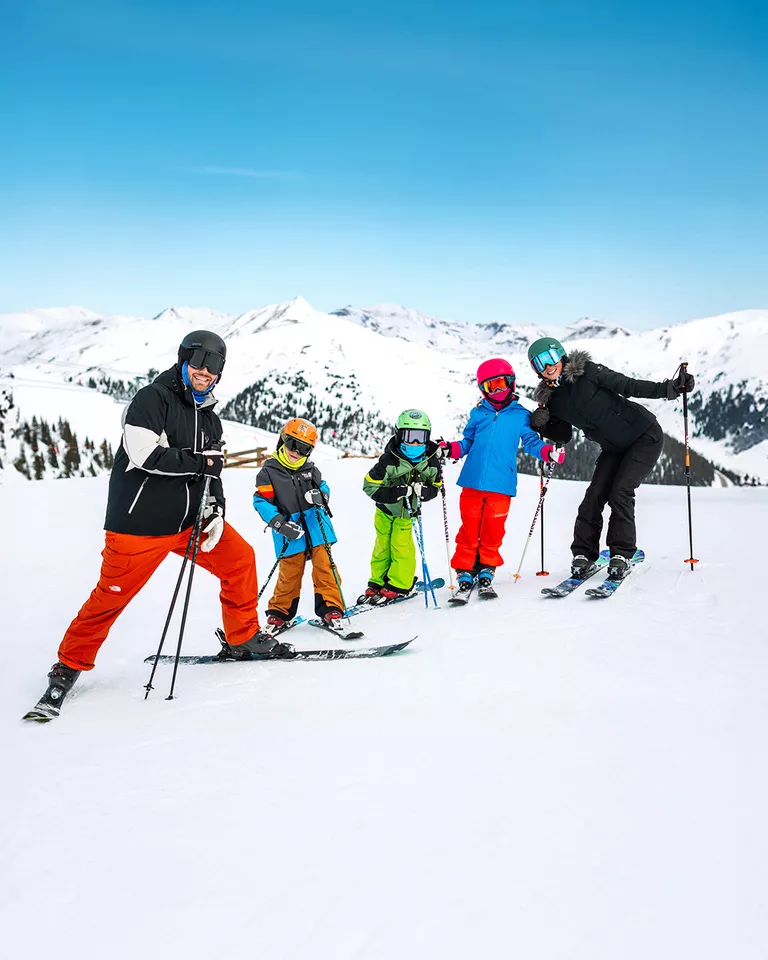
You are now ready for anything the Rockies send your way, from cold mornings at Loveland to deep powder at Snowbird to spring laps at A-Basin. Build your kit with the right layers and you will stay warm, dry, and comfortable all season long. If you want personalized help choosing the best pieces for your skiing or riding style, our Christy Sports team is always here to guide you. We love helping you enjoy every day on the mountain. Because OUTSIDE IS BETTER.
📍 Find a Christy’s Sports location near you
Last Updated: December 18, 2025
Ski & Snowboard,
Gear Guides,
Destination Guides,
Kids
Dec 18, 2025
What to Wear Skiing & Snowboarding in Colorado & Utah in 2025/26 – The Ultimate Rockies Layering Guide
If you have ever skied the Rockies, you already know the truth: you can experience all four seasons in a single chairlift ride. One minute, you are scraping ice at Loveland in a -5 °F December sunrise. Two hours later, you are shedding layers on Snowbird’s Cirque Traverse under blazing high-altitude sun. Come spring, you are in a T-shirt at A-Basin’s Beach by noon and back in a puffy by 3 p.m. when the wind picks up off the Divide.
That is the magic and chaos of skiing and riding in Colorado and Utah. It is also why one of the top questions guests ask in our Christy Sports shops from Park City to Dillon is, “What should I actually wear on the mountain?”
The good news: you do not need a closet full of jackets or a different kit for every resort. Instead, you need a smart, Rockies-specific layering system that is built for dry cold, high elevation, and some of the most dramatic temperature swings in North America.
Here is a quick cheat sheet before we dive in:
Colorado
- Colder mornings, often in the single digits
- Wind at Loveland, A-Basin, and Breck can be brutal
- Intense high-altitude sun
Utah
- Slightly warmer average temperatures
- Big storm cycles at Alta and Snowbird
- Equally strong high-altitude sun with famously dry powder
This guide gives you a single, packable kit that works from:
- Loveland on opening day in October
- Snowbird during a January snow cycle
- Vail, Park City, or Telluride during bluebird weeks
Every recommendation comes straight from decades of skiing resorts in both states, plus thousands of conversations with guests walking into our stores from Copper to Kimball Junction.
Let us build your perfect Rockies layering kit so you always know what to wear skiing in Colorado and Utah.
The 4-Layer System That Actually Works in Dry Cold
1. Base Layer: Moisture Manager
Choose merino wool for its natural warmth, breathability, and odor resistance. Synthetic can work, but merino thrives in the Rockies’ dry cold and long lift rides. Here are a few of our favorite options from Smartwool and Le Bent for both men and women.
Smartwool Merino base layers provide warm, breathable, moisture-managing comfort that works as a reliable next-to-skin foundation for cold ski days.
- Smartwool Merino 250 Base Layer Long Sleeve (Men’s) & Smartwool All Season Merino Base Layer Bottom (Men’s)
- Smartwool All Season Merino Base Layer Long Sleeve (Women’s) & Smartwool Merino 250 Base Layer Bottom (Women’s)
Le Bent base layers use a soft merino and bamboo blend with temperature-regulating, odor-resistant performance, delivering breathable warmth in both midweight and heavyweight options for reliable comfort on cold ski days.
- Le Bent Heavyweight Grid Fleece Crew Base Layer (Men’s) & Le Bent Core 200 Bottoms (Men’s)
- Le Bent Midweight Bottoms Base Layer (Women’s) & Le Bent Heavyweight Grid Fleece Crew Base Layer (Women’s)
Choose a weight that matches your personal thermostat. If you tend to run cold, start with heavier merino. If you heat up fast on traverses at Breck or Alta, a lighter merino base is your best friend.
2. Midlayer: Active Insulation
Once you have built a solid foundation with a moisture-wicking base layer, your midlayer is what fine-tunes your temperature for the day. In the Rockies, it has to do two things exceptionally well: trap heat without turning you into a furnace. That is where active insulation shines. These pieces balance warmth and breathability, moving moisture away as you hike to Honeycomb Canyon and keeping you toasty when you are cruising groomers at Vail. Whether you prefer a synthetic puffy or a technical fleece, the right midlayer keeps your kit adaptable, lightweight, and ready for whatever the weather throws at you.
Patagonia Nano Puff Jacket (Women's): delivers lightweight, packable warmth with weather-resistant insulation that works perfectly as a midlayer on cold ski days or a standalone jacket around town.
Norrona Lofoten Warm2 Jacket (Women’s): cozy, high-loft fleece built for serious warmth, offering breathable insulation that layers effortlessly under a shell for cold resort days or stands alone for laid-back mountain comfort.
Patagonia Nano Puff Vest (Men’s): lightweight, packable insulating layer that adds core warmth without bulk, making it ideal for skiing, travel, or everyday wear in changing mountain conditions.
Head KORE Insulated Jacket (Men's): warm, low-bulk, all-mountain jacket with waterproof protection and breathable PrimaLoft® insulation, ideal for versatile Colorado and Utah conditions.
Why Pick a Fleece vs. a Puffy vs. a Vest
- Fleece: Choose fleece when you want breathable warmth that stays comfortable across different activity levels. Fleece releases heat quickly, keeps you from getting sweaty, and layers smoothly under a shell, which is ideal for skiers and riders who warm up fast.
- Puffy (synthetic insulator): Reach for a puffy when you want the most warmth with the least weight. Synthetic insulation continues to perform even if it becomes damp, which makes a puffy reliable for cold resort days and longer lift rides.
- Vest: A vest focuses on keeping your core warm while leaving your arms free for natural movement. It is a smart choice for mild days or for people who tend to run warm but still want protection from wind and early-morning chill, and it adds insulation without much bulk.
3. Shell or Insulated Jacket: Weather Shield
With your base and midlayer dialed, your outerwear becomes the piece that stands between you and whatever the mountain throws your way. In the Rockies, that can mean cold bluebird mornings, sudden wind on the ridge, or a fast-moving afternoon snow squall. Your jacket needs to protect you from the elements and still stay breathable enough for active skiing and riding. Shells excel in variable conditions and give you maximum layering control, while lightly insulated jackets add just the right amount of warmth without feeling bulky. The right choice keeps you comfortable, dry, and ready for any kind of day, from early-season corduroy to deep midwinter storms.
HEAD KORE Jacket (Women’s): lightweight, weatherproof shell with breathable insulation and a streamlined fit that delivers versatile protection for active days on the mountain.
Norrona Lofoten GORE-TEX Jacket (Women’s): durable, weatherproof shell built for storm protection and breathable performance, offering reliable comfort for active skiers in changing mountain conditions.
Helly Hansen Alpha LifaLoft Jacket (Men's): delivers lightweight warmth, waterproof protection, and a comfortable, athletic fit that works well for a full season of resort skiing. If you purchase Helly Hansen, you may qualify for the Helly Hansen Ski Free program, which offers a complimentary lift ticket at participating resorts.
686 GORE-TEX GT Thermagraph Jacket (Men’s): combines waterproof GORE-TEX protection with mapped Thermagraph insulation for warm, breathable performance that adapts to changing conditions on the mountain.
4. Outerwear Pants & Bibs: Your Lower-Body Weather Shield
Your pants or bibs do some of the hardest work on the mountain: blocking wind, keeping out snow, and regulating heat as temperatures swing from cold mornings to warm, sunny afternoons. In the Rockies, you want weatherproof, breathable legwear that moves easily and performs across deep powder, groomers, and spring slush. Here are four reliable options built for Colorado and Utah conditions.
Women’s Pants & Bibs
Helly Hansen Legendary Pants: a warm, waterproof, lightly insulated pant with exceptional mobility and breathability, giving you dependable protection from storm days at Snowbird to bluebird groomers at Vail.
Halfdays Emma Softshell Pants: offer warm, stretchy, breathable comfort with a flattering tailored fit and water-resistant softshell fabric that performs well on cold resort days and sunny spring laps.
⛷️ If you’re building your kit for colder morning groomers or exploring variable terrain, pair your layers with a ski that thrives in mixed conditions, like the Blizzard Black Pearl 88. Our team breaks down why women love it in our recent blog: Empowering the Next Decade: How Blizzard’s Black Pearl 88 10th Anniversary Edition Is Redefining Women’s Skiing Through Community and Innovation.
Men’s Pants & Bibs
Mountain Hardwear Firefall Bib: a versatile, lightweight bib offering waterproof protection, smart insulation, and efficient venting, ideal for long days, cold mornings, and warm spring conditions.
686 Hot Lap Insulated Bib (Men’s): keeps you warm, dry, and comfortable on variable mountain days with lightweight insulation, dependable waterproofing, and a durable, easy-moving fit.
5. Face, Hands, Head, & Feet: The Small Things That Make or Break Your Day
Once your main layers are set, real comfort comes from dialing in the accessories that protect your face, fingers, head, and feet. Colorado and Utah’s dry air, bright sun, and sudden wind shifts make these pieces essential, not optional. The right balaclava keeps your skin warm without overheating, the right gloves keep your hands working on cold lift rides, the right helmet manages airflow and warmth, and the right socks regulate temperature inside your boots. Think of these items as the final layer of climate control that keeps you comfortable from first chair to last laps.
Face Protection: Warm, breathable coverage that prevents windburn and keeps your goggles clear.
- Smartwool Merino 250 Balaclava: soft merino warmth that seals out wind while staying breathable enough for high-output skiing.
- Turtle Fur Stria Shellaclava: a plush, quick-drying hood that adds cozy face protection without fogging your goggles.
- Le Bent Waffle Midweight Balaclava: a temperature-regulating merino-blend balaclava with a flexible fit that works comfortably under any helmet.
- BlackStrap Camber Hood: a dual-layer, adjustable hood that offers full-coverage protection with excellent breathability for storm days.
Hands: Cold fingers end ski days quickly. Choose insulated, wind-resistant gloves or mitts.
- Dakine Sequoia GORE-TEX Mitts (Women's): waterproof, warm mitts with a removable liner that keeps hands dry and comfortable in variable conditions.
- Swany X-Cell Gloves (Women's): offer exceptional warmth and weather protection with premium insulation, a durable leather palm, and a waterproof insert that keeps hands comfortable on the coldest ski days.
- Hestra Army Leather Heli Ski Gloves (Men's): durable, all-mountain gloves with excellent grip and dependable warmth for long, cold lift rides.
- Hestra Heater Gauntlet Gloves: battery-powered heated gloves that provide consistent, adjustable heat while maintaining strong weather protection.
Feet: Thin, technical merino socks regulate warmth, manage moisture, and keep boots fitting properly.
- Darn Tough Snowscape Socks (Women's): lightweight merino socks with targeted cushioning and a stay-put fit for all-day comfort.
- Smartwool Moon Energy Socks (Women's): soft merino socks with supportive cushioning designed for warm feet on long resort days.
- Darn Tough Solstice OTC Lightweight Snow Socks (Men's): durable merino socks with light cushioning that balance warmth, breathability, and a precise boot feel.
- Le Bent The Fit Zero Cushion Socks (Men's): ultralight, temperature-regulating socks that offer a smooth, blister-free fit for performance boots.
- Sidas S-1400B Heated Socks: rechargeable heated socks that deliver steady warmth for subzero starts and long chairlift rides.
Ski & Snowboard Goggles: A spare lens is non-negotiable in the Rockies.
- Giro Contour RS + Vivid Rose Gold / Vivid Infrared: a low-profile goggle with crisp contrast and quick-change lenses for sun and storm days.
- Smith 4D MAG Goggles with ChromaPop Everyday Blue Mirror Lens: deliver a wide, distortion-free field of view and versatile all-conditions clarity, pairing Smith’s quick-swap MAG lens system with ChromaPop contrast enhancement for sharp vision from storm days to bluebird laps.
- Atomic Four Q HD Goggles: provide a modern, frameless, cylindrical design with HD lens technology the gives sharp performance in all conditions.
Helmets: Lightweight protection with adjustable ventilation for changing temperatures.
- Giro Terra MIPS Helmet (Women's): offers low-profile, lightweight protection with MIPS technology, adjustable ventilation, and a comfortable fit designed for all-day confidence on the mountain.
- Smith Liberty MIPS (Women's): a warm, ventilated helmet with MIPS protection and a plush liner that feels great all day.
- Smith Nexus MIPS Helmet (Men's): combines lightweight, durable protection with advanced MIPS safety technology and adjustable ventilation, creating a comfortable, high-performance helmet for all-season resort skiing.
- Giro Jackson MIPS (Men's): a sleek, modern helmet with dependable MIPS safety tech and easily adjustable airflow.
Helmet & Goggles Combo Option
- Salomon Driver Prime Sigma: a visor-style helmet that offers seamless goggle integration and Sigma optics for bright, clear vision.
Rockies-Specific Layering Recipes
These three go-to outfits cover almost every day you will see skiing or snowboarding in Colorado and Utah, from the coldest mornings at Loveland to spring corn laps at Snowbird and A-Basin.
Cold Early-Season Morning (-10 °F to 20 °F)
Perfect for opening weeks at Loveland, A-Basin, and Copper or the first big storm at Park City. Build around a heavyweight merino base, a warm midlayer, and insulated outerwear, then add a balaclava, heated gloves, and heated socks for extra comfort.
As you dial in your layering strategy for different Rockies conditions, your ski and snowboard choice matters too. Our Ski & Snowboard Quiver Guides breaks down which skis shine in powder, on groomers, or across the whole mountain.
🏂 How to Build your Perfect Snowboard Quiver
⛷️ How to Build Your Perfect Ski Quiver
Five Mistakes Everyone Makes Their First Season Skiing in the Rockies
- Wearing cotton anywhere on your body. It traps moisture and freezes.
- Ignoring wind at Loveland, A-Basin, and Breck. Bring a balaclava. Always.
- Not carrying a spare lens. The sun changes fast in the Rockies.
- Buying too thick a sock. Thin merino works best in modern boots.
- Overinsulating. Breathability beats bulk every time at altitude.
Kids’ Layering: Same Rules, Smaller Gear
Kids run hot and cold, literally, often in the span of a single run. That’s why the same smart layering system adults use works perfectly for them too. The goal is simple: keep them warm, dry, and comfortable so they can stay outside longer and have more fun. With the right base layers, midlayers, and outerwear, little skiers and riders get big-mountain comfort without bulk, overheating, or constant ‘I’m cold’ chairlift breaks.
Kids’ Baselayers
Hot Chillys Micro Elite Chamois Printed Crewneck – Youth: warm, stretchy, moisture-wicking base layer top that keeps kids comfortable and dry, with fun prints that make gearing up for the mountain a little more exciting.
Hot Chillys Micro Elite Chamois Printed Tights – Kids: lightweight, cozy, and quick-drying, these printed base layer tights give kids soft next-to-skin warmth and reliable performance for cold ski days or any winter adventure.
Kids’ Midlayers
Airblaster Jr. Fleece Jacket: a cozy, breathable midlayer with soft insulation and everyday comfort, perfect for slipping under a ski shell or wearing on its own from school days to snowy adventures.
Town Hall Midtown Fleece Jacket: warm, breathable, everyday-comfort midlayer made with soft recycled materials, giving kids cozy insulation that works on its own or under a ski shell for cold mountain days.
The North Face Glacier ¼-Zip Pullover: lightweight, breathable fleece that adds soft, dependable warmth under a ski jacket or on its own for everyday winter comfort.
Kids’ Ski and Snowboard Jackets, Pants, and Bibs
Town Hall Skip Town Insulated Jacket: warm, waterproof, sustainably built kids’ ski jacket with smart features and mountain-town durability, designed to keep young adventurers comfortable from storm days to sledding sessions.
Flylow Explorer Jacket: warm, weatherproof ski shell built with durable, mountain-ready insulation and easy all-day comfort, giving young skiers the protection they need to explore in any conditions.
Flylow Baker Jr. Bib: durable, weatherproof youth ski bib with great coverage, reliable insulation, and the same rugged performance as the adult version, built to keep kids warm, dry, and comfortable from first chair to last.
Helly Hansen Summit Bib Pants: deliver waterproof, windproof, insulated protection with adjustable coverage and durable construction, keeping young skiers warm, dry, and ready for anything the mountain brings.
Kids’ Accessories
Smith Descend Jr. MIPS Helmet: gives young skiers lightweight, well-ventilated protection with MIPS impact technology and a secure, adjustable fit, keeping them comfortable and confidently covered all day on the mountain.
Smith Daredevil Goggles: give junior skiers wide, fog-free vision, helmet-ready comfort, and versatile low-light performance so they can see clearly from first chair to last.
Swany X-Over Gloves: offer warm, waterproof protection with durable construction and easy-on features, keeping young skiers’ hands comfortable, dry, and ready for every run.
Darn Tough Magic Mountain OTC Socks: give kids warm, breathable, durable comfort with a no-slip fit, offering all-day cushioning and performance for skiing and riding.
BlackStrap Tube Dual-Layer Neck Gaiter: delivers warm, breathable, quick-drying protection with a soft, comfortable fit that shields young skiers from wind, sun, and cold all day on the mountain.
FAQ: What to Wear Skiing in Colorado & Utah
What should I wear skiing in Colorado and Utah?
Wear a moisture-wicking merino base layer, an active-insulation midlayer, and a waterproof shell or lightly insulated jacket. Add weatherproof pants or bibs, thin merino socks, warm gloves or mitts, and a helmet with goggles. This combination handles the dry cold, bright sun, and fast temperature swings across both states.
How many layers do I actually need for skiing in the Rockies?
Most skiers are comfortable with three layers on warm days (base, midlayer, shell) and four layers on cold days (base, warm midlayer, insulation, shell). The key is breathability so you can adjust without overheating.
Should I wear a puffy or a fleece as my midlayer?
Choose a fleece if you run warm or plan to hike, because it breathes extremely well. Choose a synthetic puffy if you run cold or expect long chairlift rides in single-digit temps. Both work in Colorado and Utah; it simply depends on the day and your personal thermostat.
Do I need GORE-TEX outerwear for skiing in Colorado and Utah?
GORE-TEX or comparable waterproof shells are ideal for the Rockies, especially during midwinter storms at Alta, Snowbird, Breck, or Vail. Shells also give you great versatility for spring skiing when temperatures climb into the 40s.
Are bibs better than pants for skiing?
Bibs offer better snow protection and warmth, especially on powder days. Pants tend to feel lighter and cooler and are a good match for spring skiing or riders who want maximum mobility. Both perform well; it is mostly personal preference.
How thick should ski socks be?
Wear thin or ultralight merino socks, not thick socks. Modern ski boots are insulated and designed for a close, precise fit. Thin socks improve circulation, reduce sweating, and keep your feet warmer.
Do I need a separate outfit for spring skiing?
No. Stick with your normal base layer and shell, but open vents, lighten or ditch your midlayer, and use breathable gloves and socks. Sun protection becomes more important than insulation in April and May.
Should I bring a spare goggle lens?
Yes. Colorado and Utah conditions change fast. A second lens (one low light, one bright light) is the single biggest visibility upgrade you can make. It prevents fogging, helps you see terrain, and keeps you skiing safely in sun and storm.
What temperature ranges should I expect in Colorado and Utah?
Expect –10 °F to 20 °F mornings in December and January, 20–35 °F bluebird powder days, and 35–50 °F afternoons in spring. This is why adjustable layers matter more than any single jacket.
What should kids wear skiing in Colorado or Utah?
The exact same layering system as adults: merino base layers, a breathable midlayer, a waterproof jacket and pants/bibs, thin merino socks, warm gloves, a balaclava, and a helmet. Kids run hot and cold quickly, so versatile layers are essential.
What items do most beginners forget to bring?
A neck gaiter, sunscreen, glove liners or mitts, thin socks, and a spare goggle lens. These small items make a huge difference in comfort and safety.
Should my layers be tight or loose? What actually performs best?
Your layers should follow a simple rule: fitted on the inside, relaxed on the outside.
Base layers: These should fit close to the skin without feeling restrictive. A snug fit helps wick moisture, regulate temperature, and prevent cold air from sneaking in. If your base layer is loose or bunches inside your jacket, it will not move moisture effectively and you will feel clammy or cold.
Midlayers: Aim for a comfortable, athletic fit. You want enough room for air to circulate, because that trapped warm air is what creates insulation. If a midlayer is too tight, it will not insulate well. If it is too baggy, you will add bulk without adding warmth.
Shells and jackets: Your outer layer should feel relaxed but not oversized. The goal is space for your base and midlayers to work, plus full freedom of movement. You should be able to reach, twist, and zip everything without feeling the fabric pull.
Pants and bibs: Look for a natural, slightly roomy fit that allows for layering and movement. Too-tight pants restrict mobility and reduce insulation. Too-loose pants can feel heavy and let snow in.
The quick test: If you can move easily, stay dry, and your layers do not bunch, you are in the right fit zone.
You are now ready for anything the Rockies send your way, from cold mornings at Loveland to deep powder at Snowbird to spring laps at A-Basin. Build your kit with the right layers and you will stay warm, dry, and comfortable all season long. If you want personalized help choosing the best pieces for your skiing or riding style, our Christy Sports team is always here to guide you. We love helping you enjoy every day on the mountain. Because OUTSIDE IS BETTER.
📍 Find a Christy’s Sports location near you
Last Updated: December 18, 2025