Ski & Snowboard,
Destination Guides
Feb 14, 2026
The 2026 Spring Skiing & Snowboarding Playbook: Mastering Corn and Variable Conditions in the West
Spring skiing brings its own kind of magic.
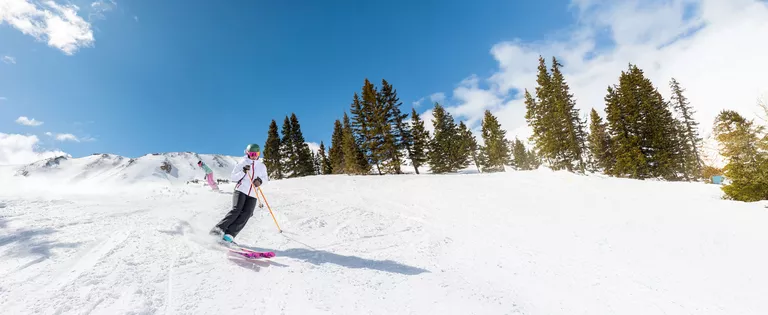
As winter gives way to longer days and warmer sun, the mountains enter a daily rhythm that many skiers consider the best of the season. Firm, fast mornings transition into smooth, carvable corn snow by late morning and early afternoon. With the right timing, terrain, and gear, spring delivers fewer crowds, bluebird skies, and some of the most satisfying turns of the year.
Whether you are stopping by a Christy Sports location in the Rockies, heading north to Big Sky, Montana, or visiting the local experts at Sturtevant’s in the Pacific Northwest, this guide will help you chase the corn snow cycle and make the most of variable spring conditions.
Note: Spring conditions change quickly. Always check the official resort app or website for real-time terrain and lift status before heading up.
What Makes Spring Skiing Special?
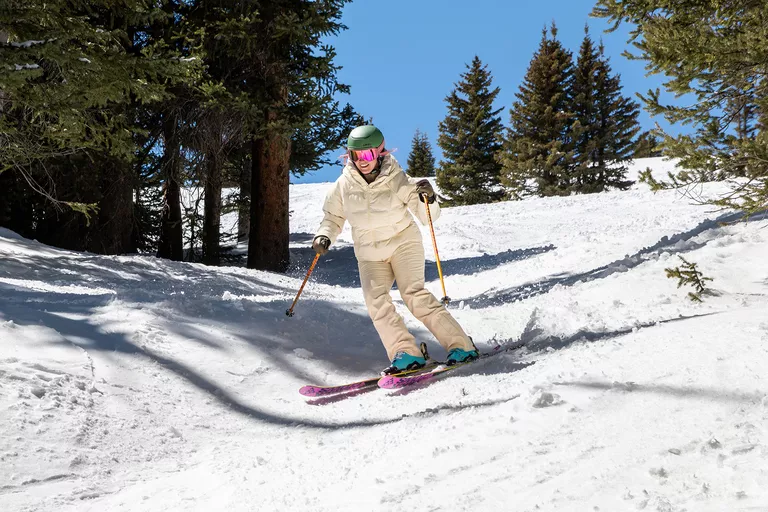
Spring skiing is defined by the freeze-thaw cycle. Snow firms up overnight, then softens as the sun warms the surface. When timed correctly, this creates classic corn snow that is smooth, edge-friendly, and incredibly fun to carve.
You may also encounter:
- Sun-baked slopes that soften earlier in the day
- Mashed potato snow in the afternoon, especially at lower elevations
- Variable spring groomers that reward adaptable skis and smart layering
Spring turns are all about reading the mountain and adjusting as conditions evolve.
1. The Powerhouses: Resorts That Keep Spring Fun Going Strong
These destinations invest heavily in snowmaking, grooming, and infrastructure to keep skiing enjoyable well into spring.
Vail Mountain, Colorado: With one of the largest snowmaking systems in the Rockies, Vail keeps frontside favorites like Swingsville and Ramshorn skiing well as temperatures rise. These wide groomers are ideal for carving corn once they soften.
Keystone Resort, Colorado: Keystone is known for its automated, weather-sensing snowmaking system. Long, consistent runs like Schoolmarm remain reliable late into the season. Before heading up, consider booking a spring ski tune to keep your bases fast in wet snow.
Winter Park Resort, Colorado: With snowmaking across 27 trails and a base elevation near 9,000 feet, Winter Park holds quality snow longer than many lower-elevation resorts.
2. The Local’s Guide: Chasing the Corn Sweet Spot
Spring success comes down to timing and terrain.
Colorado Favorites
Arapahoe Basin: High elevation makes A-Basin a spring classic. Served by our Dillon and Frisco shops, it often delivers some of the most reliable high-elevation corn in the state.
Runs to hit: Wrangler for wide-open carving or Lenawee Face once it softens. When the sun has been out, Pallavicini Chair bumps turn into a spring playground.
Vail Mountain: Once the surface breaks, Riva Ridge four-mile classic offers smooth, rhythmic turns that shine in spring.
Utah’s Spring Classics
Snowbird: Start the morning with fast arcs on Regulator Johnson, then transition to Chip’s Run as the snow softens for a long lap back to the base.
Alta: Hit Main Street or Mambo for consistent corn snow. For those willing to hike, Ballroom Bowl often holds quality snow well into spring.
Montana’s Spring Standout: Big Sky Resort
Spring skiing at Big Sky Resort in Montana is often considered a hidden gem.
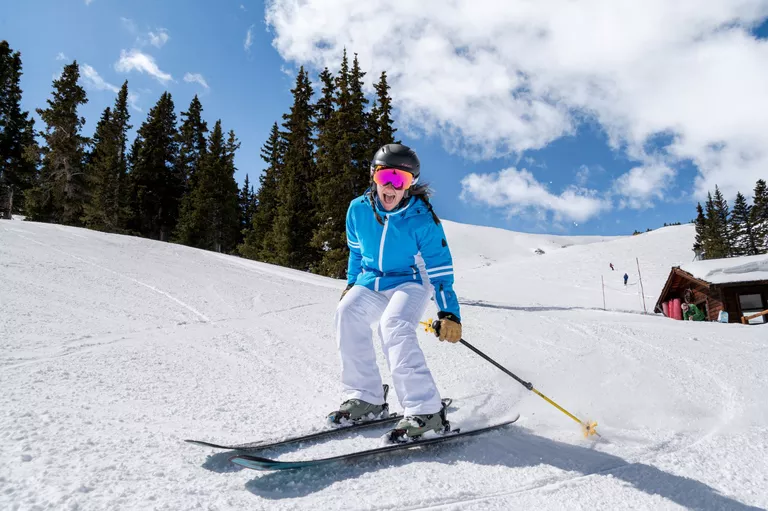
Thanks to its massive terrain footprint, high elevation, and strong winter base, Big Sky excels during the spring freeze-thaw cycle. Mornings often start firm and fast, then transition into silky corn snow by late morning and early afternoon. Fewer crowds, longer days, and wide-open terrain make spring here especially rewarding.
Why Big Sky shines in spring:
- Expansive terrain across Lone Peak, Andesite, and the Madison side allows you to follow the sun
- High elevation helps preserve coverage as temperatures rise
- Reliable grooming keeps frontside terrain carving-friendly
- A relaxed spring vibe with shorter lift lines and sunny patio breaks
Where to ski for spring corn:
- Shedhorn and south-facing terrain soften early on sunny days
- Andesite Mountain offers long, flowing groomers that ski beautifully once softened
- Liberty Bowl and Moonlight terrain hold quality snow later into the day for advanced skiers
Local tip: Start on east and south-facing aspects in the morning, then migrate higher and north as the day warms.
If you are skiing Big Sky this spring, Christy Sports is right there to help you get dialed on spring wax, tunes, and variable-condition gear.
3. Spring 2026 Gear Picks: Built for Freeze-Thaw Days
Spring conditions can be hard on gear. Refrozen ruts, wet snow, and exposed obstacles are common. Many skiers protect their personal skis by using Daily Rentals or testing spring-friendly models through our Try Before You Buy Program.
You can reserve spring ski rentals online to save 20% (24 hours in advance) and be ready for changing conditions.
Spring Ski Rule of Thumb
For spring carving, skis between 80 and 90mm underfoot offer the best balance of quick edge-to-edge response and stability in soft afternoon snow.
Top “Corn” Carving Skis
- Best for: Intermediate to Advanced skiers
- Feel: Damp and confidence-inspiring
- Built to stay calm through refrozen morning ruts and smooth as conditions soften.
- Best for: Power carvers on variable groomers
- Feel: Smooth and responsive
- The 89mm waist hits the spring sweet spot for firm mornings and slushy afternoons.
- Best for: Advanced skiers who prioritize precision
- Feel: Quick and directional
- Excellent early in the day when corduroy is still firm.
- Best for: High-performance carving in variable snow
- Feel: Powerful and stable
- Vibration-damping tech helps when spring snow turns chunky.
Spring Park & Slush Snowboards
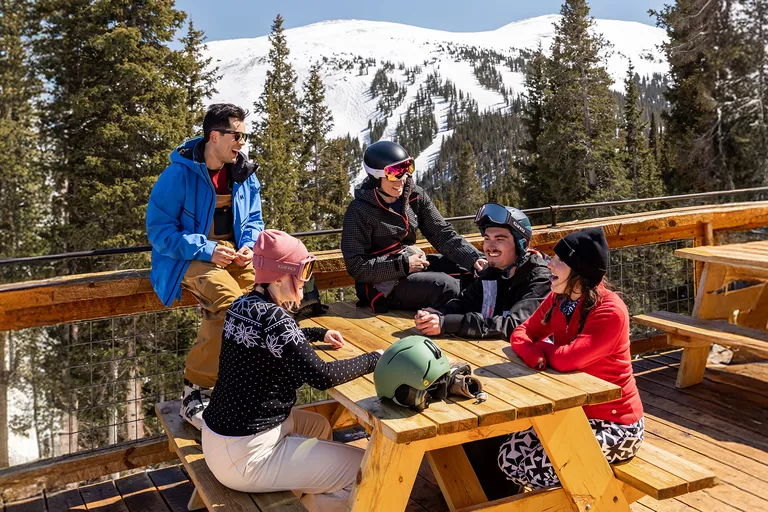
Spring riding shines when the snow gets soft, the park stays playful, and laps come fast. These boards are built for forgiving landings, quick edge changes, and creative riding when conditions loosen up.
Spring Board Rule of Thumb
For spring riding, look for true twin or volume-shifted boards with a softer to medium flex and wider platforms to stay stable and fun in slushy, uneven snow.
Top Spring Snowboards (Park + Soft Snow)
- Best for: Slushy park laps and creative riding
- Feel: Loose and surfy
- A short, wide, volume-shifted shape that pivots easily and floats through soft spring snow.
- Best for: Warm spring days, quick laps, and side hits
- Feel: Energetic and poppy
- A shorter length with a wide waist keeps it playful and stable as snow turns to mashed potatoes.
- Best for: All-day spring park riding
- Feel: Balanced and predictable
- A true twin with consistent flex that holds edge control as park snow softens throughout the day.
Salomon Huck Knife Pro Snowboard
- Best for: Faster laps and bigger spring features
- Feel: Powerful and precise
- A stiffer freestyle build that stays composed on firm takeoffs and rutted late-day landings.
Salomon No Drama Snowboard (Women’s)
- Best for: Women’s spring park progression
- Feel: Smooth and confidence-boosting
- A forgiving true twin that feels predictable and controlled in soft, variable spring snow.
Spring Layering System: Stay Comfortable All Day
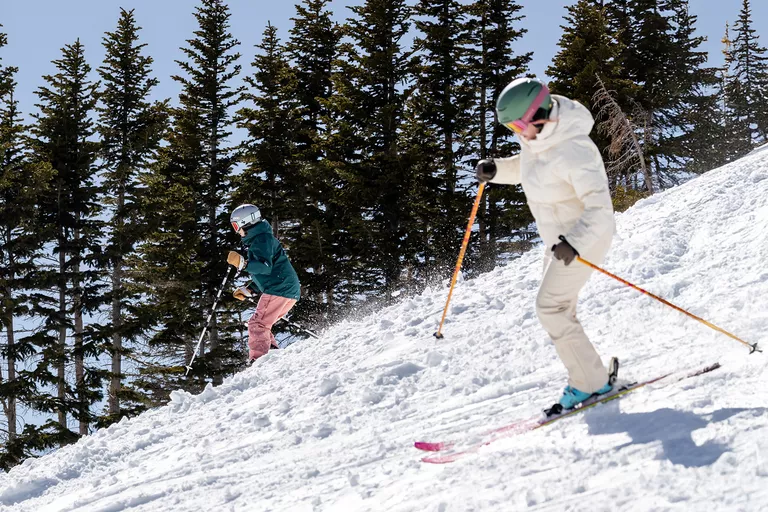
Spring skiing demands breathability in the morning, wind protection on lifts, and quick warmth when clouds roll in. A flexible layering system matters more than insulation weight.
The spring essentials:
- Lightweight shell with ventilation to manage heat as temperatures rise
- Active midlayer that breathes on the up and stays warm on the down
- Moisture-wicking base layer that dries quickly when snow turns wet
This system works whether you are carving groomers, lapping the park, or earning turns.
Example spring layering picks
Shell: HEAD Kore II Jacket
A lightweight, non-insulated 3-layer shell built for high-output spring days.
Active insulation: Arc’teryx Atom Hoody
Breathable, quick-drying insulation that works under a shell or on its own.
Base layers: Smartwool All-Season Merino
Lightweight merino that manages moisture and stays comfortable as temps rise.
Men’s Smartwool All-Season Merino top & Men’s bottom
Women’s Smartwool All-Season Merino top & Women’s bottom
Not sure what to wear for spring conditions?
Our What to Wear for Spring Skiing & Snowboarding guide breaks down exactly how to layer when temperatures swing, snow turns wet, and conditions change fast, so you stay comfortable from first chair to last lap.
Spring Skiing & Snowboarding FAQ
When does spring skiing start?
Spring skiing typically begins in late March and runs through April and May, depending on elevation and weather. High-elevation resorts like A-Basin and Big Sky often ski well into late spring.
What is corn snow?
Corn snow forms when snow freezes overnight and softens under the sun, creating smooth, edge-friendly conditions ideal for spring carving.
Is spring skiing good at Big Sky?
Yes. Big Sky’s high elevation, expansive terrain, and strong winter base make it an excellent spring destination. The freeze-thaw cycle creates reliable corn snow, and crowds are typically lighter than mid-winter.
What are the best skis for spring slush?
Skis in the 80 to 90mm waist range with good vibration damping perform best in mashed potato snow and variable spring groomers.
Do I need a special tune for spring skiing?
Yes. A structured spring tune with warm-weather wax helps skis glide through wet snow. Stop by Christy Sports for a full spring ski or snowboard tune.
Should I rent skis in the spring?
Spring ski and snowboard rentals are a great option if you want to protect your personal skis or test models designed for variable conditions.
Ready to Chase Spring Turns?
Spring skiing and snowboarding reward intention. The best days are not accidental. They come from understanding how the mountain changes hour by hour and knowing where to be when conditions line up.
This playbook is designed to help you do exactly that. From choosing resorts that hold snow late, to timing the freeze–thaw cycle, to selecting skis and snowboards that stay fun as conditions soften, spring becomes less about luck and more about strategy.
Once you know where to ski, when to move, and what equipment performs best, the season opens up. Fewer crowds. Longer days. Better turns.
If you are ready to take the next step, our What to Wear for Spring Skiing & Snowboarding guide breaks down how to layer for wet snow, rising temperatures, and variable weather so your setup works as smoothly as your plan.
Spring is not the end of the season. It is a different one. Approach it with the right mindset, the right gear, and the right timing, and it can deliver some of the best days of the year.
Stop by your local Christy Sports or Sturtevant’s location to get dialed on skis, boards, and tunes for the conditions you will actually ski.
Last updated February 14, 2026
Ski & Snowboard,
Destination Guides
Feb 14, 2026
The 2026 Spring Skiing & Snowboarding Playbook: Mastering Corn and Variable Conditions in the West
Spring skiing brings its own kind of magic.
As winter gives way to longer days and warmer sun, the mountains enter a daily rhythm that many skiers consider the best of the season. Firm, fast mornings transition into smooth, carvable corn snow by late morning and early afternoon. With the right timing, terrain, and gear, spring delivers fewer crowds, bluebird skies, and some of the most satisfying turns of the year.
Whether you are stopping by a Christy Sports location in the Rockies, heading north to Big Sky, Montana, or visiting the local experts at Sturtevant’s in the Pacific Northwest, this guide will help you chase the corn snow cycle and make the most of variable spring conditions.
Note: Spring conditions change quickly. Always check the official resort app or website for real-time terrain and lift status before heading up.
What Makes Spring Skiing Special?
Spring skiing is defined by the freeze-thaw cycle. Snow firms up overnight, then softens as the sun warms the surface. When timed correctly, this creates classic corn snow that is smooth, edge-friendly, and incredibly fun to carve.
You may also encounter:
- Sun-baked slopes that soften earlier in the day
- Mashed potato snow in the afternoon, especially at lower elevations
- Variable spring groomers that reward adaptable skis and smart layering
Spring turns are all about reading the mountain and adjusting as conditions evolve.
1. The Powerhouses: Resorts That Keep Spring Fun Going Strong
These destinations invest heavily in snowmaking, grooming, and infrastructure to keep skiing enjoyable well into spring.
Vail Mountain, Colorado: With one of the largest snowmaking systems in the Rockies, Vail keeps frontside favorites like Swingsville and Ramshorn skiing well as temperatures rise. These wide groomers are ideal for carving corn once they soften.
Keystone Resort, Colorado: Keystone is known for its automated, weather-sensing snowmaking system. Long, consistent runs like Schoolmarm remain reliable late into the season. Before heading up, consider booking a spring ski tune to keep your bases fast in wet snow.
Winter Park Resort, Colorado: With snowmaking across 27 trails and a base elevation near 9,000 feet, Winter Park holds quality snow longer than many lower-elevation resorts.
2. The Local’s Guide: Chasing the Corn Sweet Spot
Spring success comes down to timing and terrain.
Colorado Favorites
Arapahoe Basin: High elevation makes A-Basin a spring classic. Served by our Dillon and Frisco shops, it often delivers some of the most reliable high-elevation corn in the state.
Runs to hit: Wrangler for wide-open carving or Lenawee Face once it softens. When the sun has been out, Pallavicini Chair bumps turn into a spring playground.
Vail Mountain: Once the surface breaks, Riva Ridge four-mile classic offers smooth, rhythmic turns that shine in spring.
Utah’s Spring Classics
Snowbird: Start the morning with fast arcs on Regulator Johnson, then transition to Chip’s Run as the snow softens for a long lap back to the base.
Alta: Hit Main Street or Mambo for consistent corn snow. For those willing to hike, Ballroom Bowl often holds quality snow well into spring.
Montana’s Spring Standout: Big Sky Resort
Spring skiing at Big Sky Resort in Montana is often considered a hidden gem.
Thanks to its massive terrain footprint, high elevation, and strong winter base, Big Sky excels during the spring freeze-thaw cycle. Mornings often start firm and fast, then transition into silky corn snow by late morning and early afternoon. Fewer crowds, longer days, and wide-open terrain make spring here especially rewarding.
Why Big Sky shines in spring:
- Expansive terrain across Lone Peak, Andesite, and the Madison side allows you to follow the sun
- High elevation helps preserve coverage as temperatures rise
- Reliable grooming keeps frontside terrain carving-friendly
- A relaxed spring vibe with shorter lift lines and sunny patio breaks
Where to ski for spring corn:
- Shedhorn and south-facing terrain soften early on sunny days
- Andesite Mountain offers long, flowing groomers that ski beautifully once softened
- Liberty Bowl and Moonlight terrain hold quality snow later into the day for advanced skiers
Local tip: Start on east and south-facing aspects in the morning, then migrate higher and north as the day warms.
If you are skiing Big Sky this spring, Christy Sports is right there to help you get dialed on spring wax, tunes, and variable-condition gear.
3. Spring 2026 Gear Picks: Built for Freeze-Thaw Days
Spring conditions can be hard on gear. Refrozen ruts, wet snow, and exposed obstacles are common. Many skiers protect their personal skis by using Daily Rentals or testing spring-friendly models through our Try Before You Buy Program.
You can reserve spring ski rentals online to save 20% (24 hours in advance) and be ready for changing conditions.
Spring Ski Rule of Thumb
For spring carving, skis between 80 and 90mm underfoot offer the best balance of quick edge-to-edge response and stability in soft afternoon snow.
Top “Corn” Carving Skis
- Best for: Intermediate to Advanced skiers
- Feel: Damp and confidence-inspiring
- Built to stay calm through refrozen morning ruts and smooth as conditions soften.
- Best for: Power carvers on variable groomers
- Feel: Smooth and responsive
- The 89mm waist hits the spring sweet spot for firm mornings and slushy afternoons.
- Best for: Advanced skiers who prioritize precision
- Feel: Quick and directional
- Excellent early in the day when corduroy is still firm.
- Best for: High-performance carving in variable snow
- Feel: Powerful and stable
- Vibration-damping tech helps when spring snow turns chunky.
Spring Park & Slush Snowboards
Spring riding shines when the snow gets soft, the park stays playful, and laps come fast. These boards are built for forgiving landings, quick edge changes, and creative riding when conditions loosen up.
Spring Board Rule of Thumb
For spring riding, look for true twin or volume-shifted boards with a softer to medium flex and wider platforms to stay stable and fun in slushy, uneven snow.
Top Spring Snowboards (Park + Soft Snow)
- Best for: Slushy park laps and creative riding
- Feel: Loose and surfy
- A short, wide, volume-shifted shape that pivots easily and floats through soft spring snow.
- Best for: Warm spring days, quick laps, and side hits
- Feel: Energetic and poppy
- A shorter length with a wide waist keeps it playful and stable as snow turns to mashed potatoes.
- Best for: All-day spring park riding
- Feel: Balanced and predictable
- A true twin with consistent flex that holds edge control as park snow softens throughout the day.
Salomon Huck Knife Pro Snowboard
- Best for: Faster laps and bigger spring features
- Feel: Powerful and precise
- A stiffer freestyle build that stays composed on firm takeoffs and rutted late-day landings.
Salomon No Drama Snowboard (Women’s)
- Best for: Women’s spring park progression
- Feel: Smooth and confidence-boosting
- A forgiving true twin that feels predictable and controlled in soft, variable spring snow.
Spring Layering System: Stay Comfortable All Day
Spring skiing demands breathability in the morning, wind protection on lifts, and quick warmth when clouds roll in. A flexible layering system matters more than insulation weight.
The spring essentials:
- Lightweight shell with ventilation to manage heat as temperatures rise
- Active midlayer that breathes on the up and stays warm on the down
- Moisture-wicking base layer that dries quickly when snow turns wet
This system works whether you are carving groomers, lapping the park, or earning turns.
Example spring layering picks
Shell: HEAD Kore II Jacket
A lightweight, non-insulated 3-layer shell built for high-output spring days.
Active insulation: Arc’teryx Atom Hoody
Breathable, quick-drying insulation that works under a shell or on its own.
Base layers: Smartwool All-Season Merino
Lightweight merino that manages moisture and stays comfortable as temps rise.
Men’s Smartwool All-Season Merino top & Men’s bottom
Women’s Smartwool All-Season Merino top & Women’s bottom
Not sure what to wear for spring conditions?
Our What to Wear for Spring Skiing & Snowboarding guide breaks down exactly how to layer when temperatures swing, snow turns wet, and conditions change fast, so you stay comfortable from first chair to last lap.
Spring Skiing & Snowboarding FAQ
When does spring skiing start?
Spring skiing typically begins in late March and runs through April and May, depending on elevation and weather. High-elevation resorts like A-Basin and Big Sky often ski well into late spring.
What is corn snow?
Corn snow forms when snow freezes overnight and softens under the sun, creating smooth, edge-friendly conditions ideal for spring carving.
Is spring skiing good at Big Sky?
Yes. Big Sky’s high elevation, expansive terrain, and strong winter base make it an excellent spring destination. The freeze-thaw cycle creates reliable corn snow, and crowds are typically lighter than mid-winter.
What are the best skis for spring slush?
Skis in the 80 to 90mm waist range with good vibration damping perform best in mashed potato snow and variable spring groomers.
Do I need a special tune for spring skiing?
Yes. A structured spring tune with warm-weather wax helps skis glide through wet snow. Stop by Christy Sports for a full spring ski or snowboard tune.
Should I rent skis in the spring?
Spring ski and snowboard rentals are a great option if you want to protect your personal skis or test models designed for variable conditions.
Ready to Chase Spring Turns?
Spring skiing and snowboarding reward intention. The best days are not accidental. They come from understanding how the mountain changes hour by hour and knowing where to be when conditions line up.
This playbook is designed to help you do exactly that. From choosing resorts that hold snow late, to timing the freeze–thaw cycle, to selecting skis and snowboards that stay fun as conditions soften, spring becomes less about luck and more about strategy.
Once you know where to ski, when to move, and what equipment performs best, the season opens up. Fewer crowds. Longer days. Better turns.
If you are ready to take the next step, our What to Wear for Spring Skiing & Snowboarding guide breaks down how to layer for wet snow, rising temperatures, and variable weather so your setup works as smoothly as your plan.
Spring is not the end of the season. It is a different one. Approach it with the right mindset, the right gear, and the right timing, and it can deliver some of the best days of the year.
Stop by your local Christy Sports or Sturtevant’s location to get dialed on skis, boards, and tunes for the conditions you will actually ski.
Last updated February 14, 2026