Ski & Snowboard,
Gear Guides
Feb 13, 2026
What to Wear for Spring Skiing and Snowboarding
Layering for Variable Mountain Conditions
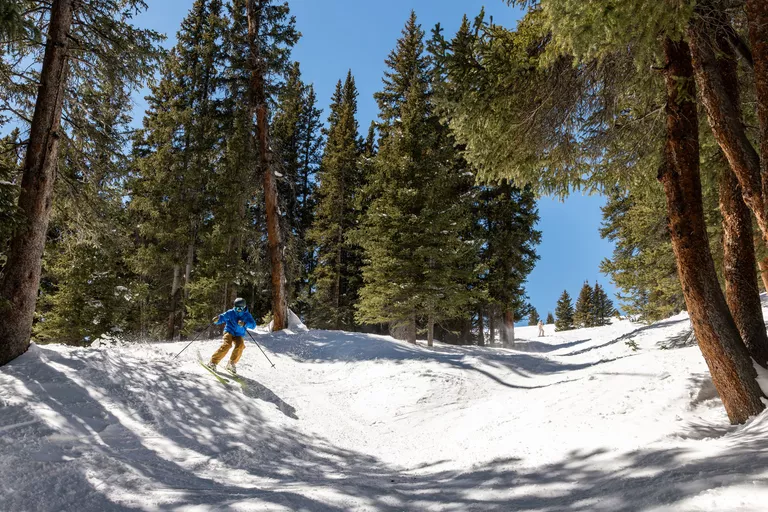
Spring is one of the most rewarding times of year to ski and ride. Longer days, lighter crowds, bluebird skies, and that window when firm morning snow softens, making spring laps hard to beat.
But, spring conditions also change fast. Cold mornings transition quickly into softer, faster skiing. Corduroy becomes wet snow. Wind, sun, and shade can all show up in a single run. Getting the most out of spring skiing and snowboarding is as much about how you layer as where and when you ski.
This guide breaks down how to build a spring-ready layering system for resort skiing and snowboarding, with men’s and women’s options designed for all-day performance. You’ll learn how to layer for airflow, moisture management, and flexibility so you can adapt as conditions evolve throughout the day.
If you’re looking for guidance on where to ski and which skis or snowboards perform best in spring conditions, start with our complete spring conditions hub:
👉 The 2026 Spring Skiing & Snowboarding Playbook: Mastering Corn and Variable Conditions in the West
Together, these guides cover the full spring picture, from conditions and terrain to equipment and what to wear, so you can make the most of spring in the mountains.
What Makes Spring Layering Different?
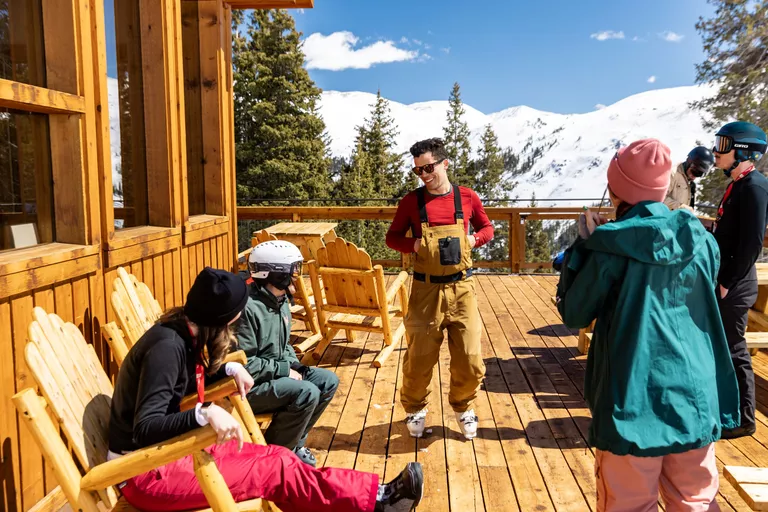
Spring skiing and riding are defined by the freeze–thaw cycle. Snow firms up overnight, then softens under direct sun exposure. Your clothing needs to adapt just as easily.
In spring, the goal is not maximum insulation. It’s breathability, moisture management, and flexibility.
You’ll likely encounter:
- Cold mornings on lifts and shaded runs
- Warm, sun-baked slopes by late morning
- Wet snow and slush in the afternoon
- Wind exposure at higher elevations
The right layers help you adjust without constantly stopping to add or remove clothing.
The Spring Layering System at a Glance
A simple three-layer system works best for most spring resort days:
- A breathable shell to block wind and wet snow
- A versatile midlayer to regulate body temperature
- A lightweight base layer to manage moisture
Each layer plays a specific role, and together they create a system that works across changing conditions.
The Shell: Protection Without the Bulk
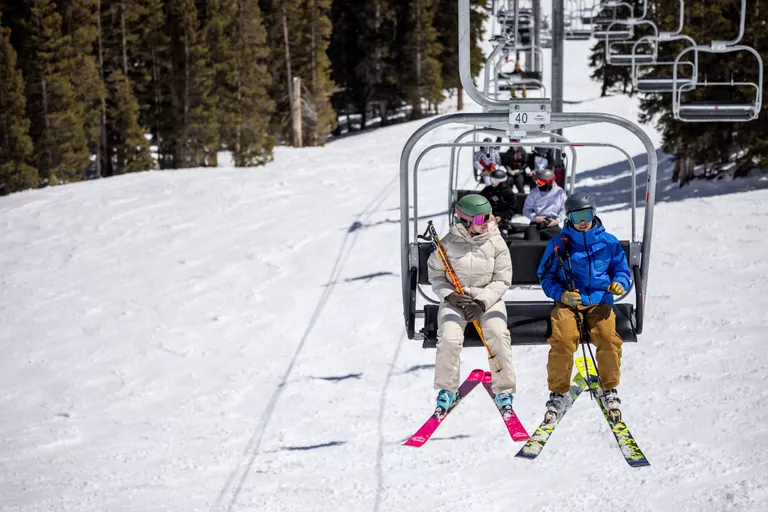
Your shell is your first line of defense against wind, wet snow, and surprise spring storms. In spring, a shell should protect without trapping heat.
What to look for:
- Waterproof, breathable fabrics
- Venting options to release heat as temperatures rise
- Low-bulk, non-insulated construction for flexibility
Women’s Spring Shell & Bib Picks
- Flylow Lucy Jacket (Women’s): A breathable, freeride-inspired shell that moves easily and vents well.
- Norrona Lofoten GORE-TEX Jacket (Women’s): Premium waterproof protection with excellent airflow.
- Flylow Foxy Bib (Women’s): Durable, flexible bib coverage that handles wet snow and long spring days comfortably.
- Wild Rye Heyburn 3L Bib (Women’s): A lighter-feeling bib with excellent mobility and ventilation for warmer conditions.
- HEAD Kore Bib (Women’s): Clean, athletic fit with weather protection that works well for spring laps.
Men’s Spring Shell & Bib Picks
- HEAD Kore II Jacket (Men’s): Weatherproof shell with excellent ventilation, built to manage wet snow and fast-changing spring days without feeling bulky.
- Arc’teryx Sabre Jacket (Men’s): Resort-focused shell that balances waterproof protection and airflow for long days when conditions shift.
- Flylow Quantum Pro Jacket (Men’s): A freeride-inspired shell designed for spring skiing, offering strong weather protection with standout breathability.
- Flylow Firebird Bib (Men’s): Pairs durable 3-layer protection with strategic venting, stretch panels, and smart storage.
- HEAD Kore Bib (Men’s): A lightweight, athletic bib that prioritizes mobility and airflow.
Tech Tip: The "Pit Zip" Check Before you drop into a sunny spring bowl, unzip your underarm vents (pit zips) or inner thigh vents. It’s easier to prevent a sweat-chill than it is to dry out once you're damp. Our shop techs call this "mechanical venting," and it's your best friend in April.
The Midlayer: Regulate Heat Without Overheating
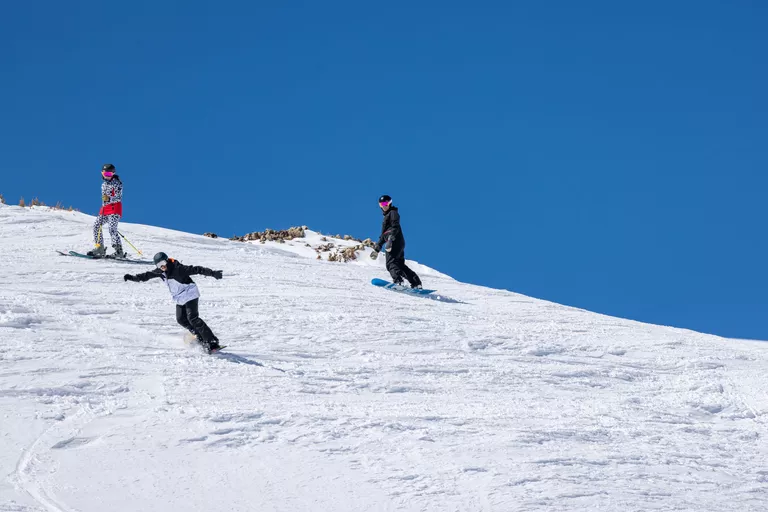
In spring, your midlayer does the heavy lifting. It needs to keep you warm on cold chairlifts and early runs, then breathe once the sun hits and the snow softens.
Instead of bulky insulation, spring calls for active layers that balance warmth, airflow, and stretch.
What to look for:
- Lightweight synthetic insulation or breathable fleece
- Stretchy fabrics that move easily through turns, bumps, and park laps
- Quick-dry performance for wet snow and changing conditions
A good midlayer should feel just as natural under a shell in the morning as it does on its own during an afternoon lap.
Men’s Midlayer Picks
- Patagonia R2 TechFace Fleece Hoodie (Men’s): A highly breathable fleece layer that sheds light moisture and wind.
- Norrona Trollveggen Warm3 Zip Hood (Men’s): A flexible fleece midlayer with an excellent warmth-to-weight feel.
- Norrona Senja Warm Hood (Men’s): Quick-drying fleece with an anorak zip for venting, stretch panels for mobility, and built-in features like a fitted hood, hand gaiters, and odor control.
Women’s Spring Midlayer Picks
- Norrona Trollveggen Thermal Pro Jacket (Women’s): A breathable fleece midlayer that delivers excellent warmth-to-weight performance.
- HEAD Kore Lightweight Jacket (Women’s): A packable, lightly insulated layer that adds warmth without bulk and works well under a shell or on its own.
- Patagonia R1 Air Fleece Jacket (Women’s): Quick-drying fleece that regulates temperature.
The Base Layer: Start Dry, Stay Comfortable
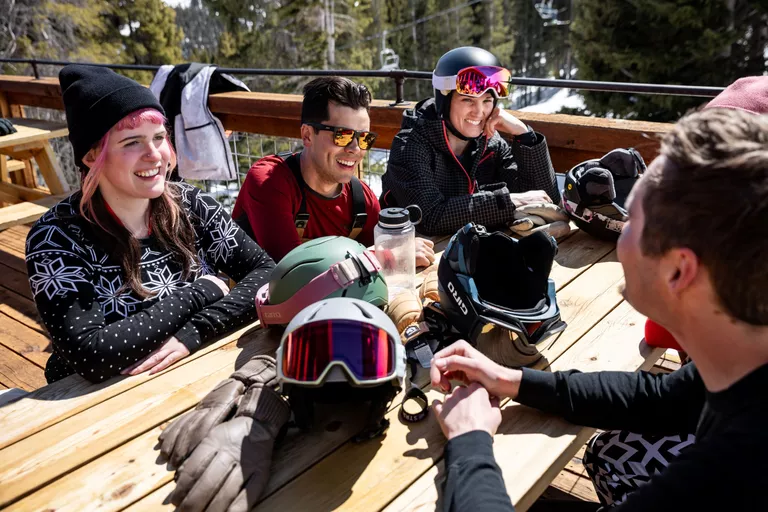
Spring conditions are hard on base layers. Wet snow, warming temperatures, and higher activity levels mean moisture management matters more than extra warmth.
A lighter base layer helps sweat move away from your skin, dries quickly, and stays balanced as the temperature changes.
What makes a great spring base layer:
- Lightweight construction that prevents overheating
- Moisture-wicking performance for slushy, wet snow
- Soft, flexible fabrics that layer smoothly under pants and shells
When your base layer works, everything else feels easier.
Women’s Spring Base Layer Picks
- Le Bent Glacier Midweight Crew Top (Women’s): A soft, midweight merino–bamboo blend that regulates temperature and breathes well.
- Le Bent Midweight Bottoms Base Layer (Women’s): Warmth without bulk, these midweight bottoms manage moisture, resist odor, and move easily for all-day spring laps.
Men’s Spring Base Layer Picks
- Le Bent Midweight Crew Base Layer Top (Men’s): A midweight crew that punches above its weight, delivering warmth, breathability, and all-day comfort with a soft merino–bamboo blend.
- Le Bent Core 200 Bottoms (Men’s): A lightweight, next-to-skin base layer that regulates temperature, and moves moisture efficiently.
How to Adjust Your Layers Throughout the Day
Spring comfort is about small adjustments, not full outfit swaps:
- Start the morning zipped up with vents closed
- Open vents and loosen layers as the snow softens
- Shed your shell during sunny breaks or warm park laps
- Add layers back when clouds roll in or wind picks up
Being proactive keeps you comfortable without missing good turns. If you want regional guidance on outerwear based on climate and precipitation, you can also explore:
Spring Skiing & Snowboarding Apparel FAQ
What should I wear skiing or snowboarding in the spring?
Spring skiing and riding are best with a flexible layering system. A breathable shell, a lightweight midlayer, and a moisture-wicking base layer let you adapt as temperatures and conditions change throughout the day.
Do I need a heavy jacket for spring skiing?
Usually no. Spring conditions favor non-insulated or lightly insulated shells paired with breathable midlayers. This setup prevents overheating while still protecting against wind, wet snow, and changing weather.
What is the best base layer for spring skiing?
Lightweight base layers designed to manage moisture work best in spring. They help regulate temperature during warm afternoon laps and dry quickly when snow turns wet or slushy.
How do I stay dry when spring temperatures change during the day?
The key is ventilation and adjustability. Start the day zipped up, then open vents or shed layers as the sun warms the snow. A versatile layering system keeps you comfortable without constant outfit changes.
What else do I need besides the right layers for spring skiing?
Spring skiing is about timing, terrain, and equipment as much as apparel. Once your layers are set, knowing which skis or boards handle varying conditions makes a big difference. Our Spring Skiing & Snowboarding Playbook covers those details in depth.
Ready to Put It All Together?
Spring skiing and snowboarding reward strategy over extra insulation. The right layering system ensures you move with the rhythm of the day: staying dry in afternoon slush, balanced as the sun climbs, and protected when the wind kicks up on the ridge.
Once your kit is dialed, the next step is matching your layers to the terrain. Timing your laps and choosing spring-ready hardware are the final pieces of the puzzle. Our Spring Skiing & Snowboarding Playbook covers the strategy you need to find the best corn snow from first chair to last call.
And when the sun finally sets on your season? Make sure your investment is protected for next winter with our Guide to Off-Season Gear Storage.
From what you wear to what’s under your feet, approaching spring as a complete system means fewer gear distractions and more of what matters: good turns, soft snow, and longer days in the mountains.
📍 Find a Christy Sports or Sturtevant’s location near you for expert tuning, spring wax, and the best technical layers in the West.
Last updated February 13, 2026
Ski & Snowboard,
Gear Guides
Feb 13, 2026
What to Wear for Spring Skiing and Snowboarding
Layering for Variable Mountain Conditions
Spring is one of the most rewarding times of year to ski and ride. Longer days, lighter crowds, bluebird skies, and that window when firm morning snow softens, making spring laps hard to beat.
But, spring conditions also change fast. Cold mornings transition quickly into softer, faster skiing. Corduroy becomes wet snow. Wind, sun, and shade can all show up in a single run. Getting the most out of spring skiing and snowboarding is as much about how you layer as where and when you ski.
This guide breaks down how to build a spring-ready layering system for resort skiing and snowboarding, with men’s and women’s options designed for all-day performance. You’ll learn how to layer for airflow, moisture management, and flexibility so you can adapt as conditions evolve throughout the day.
If you’re looking for guidance on where to ski and which skis or snowboards perform best in spring conditions, start with our complete spring conditions hub:
👉 The 2026 Spring Skiing & Snowboarding Playbook: Mastering Corn and Variable Conditions in the West
Together, these guides cover the full spring picture, from conditions and terrain to equipment and what to wear, so you can make the most of spring in the mountains.
What Makes Spring Layering Different?
Spring skiing and riding are defined by the freeze–thaw cycle. Snow firms up overnight, then softens under direct sun exposure. Your clothing needs to adapt just as easily.
In spring, the goal is not maximum insulation. It’s breathability, moisture management, and flexibility.
You’ll likely encounter:
- Cold mornings on lifts and shaded runs
- Warm, sun-baked slopes by late morning
- Wet snow and slush in the afternoon
- Wind exposure at higher elevations
The right layers help you adjust without constantly stopping to add or remove clothing.
The Spring Layering System at a Glance
A simple three-layer system works best for most spring resort days:
- A breathable shell to block wind and wet snow
- A versatile midlayer to regulate body temperature
- A lightweight base layer to manage moisture
Each layer plays a specific role, and together they create a system that works across changing conditions.
The Shell: Protection Without the Bulk
Your shell is your first line of defense against wind, wet snow, and surprise spring storms. In spring, a shell should protect without trapping heat.
What to look for:
- Waterproof, breathable fabrics
- Venting options to release heat as temperatures rise
- Low-bulk, non-insulated construction for flexibility
Women’s Spring Shell & Bib Picks
- Flylow Lucy Jacket (Women’s): A breathable, freeride-inspired shell that moves easily and vents well.
- Norrona Lofoten GORE-TEX Jacket (Women’s): Premium waterproof protection with excellent airflow.
- Flylow Foxy Bib (Women’s): Durable, flexible bib coverage that handles wet snow and long spring days comfortably.
- Wild Rye Heyburn 3L Bib (Women’s): A lighter-feeling bib with excellent mobility and ventilation for warmer conditions.
- HEAD Kore Bib (Women’s): Clean, athletic fit with weather protection that works well for spring laps.
Men’s Spring Shell & Bib Picks
- HEAD Kore II Jacket (Men’s): Weatherproof shell with excellent ventilation, built to manage wet snow and fast-changing spring days without feeling bulky.
- Arc’teryx Sabre Jacket (Men’s): Resort-focused shell that balances waterproof protection and airflow for long days when conditions shift.
- Flylow Quantum Pro Jacket (Men’s): A freeride-inspired shell designed for spring skiing, offering strong weather protection with standout breathability.
- Flylow Firebird Bib (Men’s): Pairs durable 3-layer protection with strategic venting, stretch panels, and smart storage.
- HEAD Kore Bib (Men’s): A lightweight, athletic bib that prioritizes mobility and airflow.
Tech Tip: The "Pit Zip" Check Before you drop into a sunny spring bowl, unzip your underarm vents (pit zips) or inner thigh vents. It’s easier to prevent a sweat-chill than it is to dry out once you're damp. Our shop techs call this "mechanical venting," and it's your best friend in April.
The Midlayer: Regulate Heat Without Overheating
In spring, your midlayer does the heavy lifting. It needs to keep you warm on cold chairlifts and early runs, then breathe once the sun hits and the snow softens.
Instead of bulky insulation, spring calls for active layers that balance warmth, airflow, and stretch.
What to look for:
- Lightweight synthetic insulation or breathable fleece
- Stretchy fabrics that move easily through turns, bumps, and park laps
- Quick-dry performance for wet snow and changing conditions
A good midlayer should feel just as natural under a shell in the morning as it does on its own during an afternoon lap.
Men’s Midlayer Picks
- Patagonia R2 TechFace Fleece Hoodie (Men’s): A highly breathable fleece layer that sheds light moisture and wind.
- Norrona Trollveggen Warm3 Zip Hood (Men’s): A flexible fleece midlayer with an excellent warmth-to-weight feel.
- Norrona Senja Warm Hood (Men’s): Quick-drying fleece with an anorak zip for venting, stretch panels for mobility, and built-in features like a fitted hood, hand gaiters, and odor control.
Women’s Spring Midlayer Picks
- Norrona Trollveggen Thermal Pro Jacket (Women’s): A breathable fleece midlayer that delivers excellent warmth-to-weight performance.
- HEAD Kore Lightweight Jacket (Women’s): A packable, lightly insulated layer that adds warmth without bulk and works well under a shell or on its own.
- Patagonia R1 Air Fleece Jacket (Women’s): Quick-drying fleece that regulates temperature.
The Base Layer: Start Dry, Stay Comfortable
Spring conditions are hard on base layers. Wet snow, warming temperatures, and higher activity levels mean moisture management matters more than extra warmth.
A lighter base layer helps sweat move away from your skin, dries quickly, and stays balanced as the temperature changes.
What makes a great spring base layer:
- Lightweight construction that prevents overheating
- Moisture-wicking performance for slushy, wet snow
- Soft, flexible fabrics that layer smoothly under pants and shells
When your base layer works, everything else feels easier.
Women’s Spring Base Layer Picks
- Le Bent Glacier Midweight Crew Top (Women’s): A soft, midweight merino–bamboo blend that regulates temperature and breathes well.
- Le Bent Midweight Bottoms Base Layer (Women’s): Warmth without bulk, these midweight bottoms manage moisture, resist odor, and move easily for all-day spring laps.
Men’s Spring Base Layer Picks
- Le Bent Midweight Crew Base Layer Top (Men’s): A midweight crew that punches above its weight, delivering warmth, breathability, and all-day comfort with a soft merino–bamboo blend.
- Le Bent Core 200 Bottoms (Men’s): A lightweight, next-to-skin base layer that regulates temperature, and moves moisture efficiently.
How to Adjust Your Layers Throughout the Day
Spring comfort is about small adjustments, not full outfit swaps:
- Start the morning zipped up with vents closed
- Open vents and loosen layers as the snow softens
- Shed your shell during sunny breaks or warm park laps
- Add layers back when clouds roll in or wind picks up
Being proactive keeps you comfortable without missing good turns. If you want regional guidance on outerwear based on climate and precipitation, you can also explore:
Spring Skiing & Snowboarding Apparel FAQ
What should I wear skiing or snowboarding in the spring?
Spring skiing and riding are best with a flexible layering system. A breathable shell, a lightweight midlayer, and a moisture-wicking base layer let you adapt as temperatures and conditions change throughout the day.
Do I need a heavy jacket for spring skiing?
Usually no. Spring conditions favor non-insulated or lightly insulated shells paired with breathable midlayers. This setup prevents overheating while still protecting against wind, wet snow, and changing weather.
What is the best base layer for spring skiing?
Lightweight base layers designed to manage moisture work best in spring. They help regulate temperature during warm afternoon laps and dry quickly when snow turns wet or slushy.
How do I stay dry when spring temperatures change during the day?
The key is ventilation and adjustability. Start the day zipped up, then open vents or shed layers as the sun warms the snow. A versatile layering system keeps you comfortable without constant outfit changes.
What else do I need besides the right layers for spring skiing?
Spring skiing is about timing, terrain, and equipment as much as apparel. Once your layers are set, knowing which skis or boards handle varying conditions makes a big difference. Our Spring Skiing & Snowboarding Playbook covers those details in depth.
Ready to Put It All Together?
Spring skiing and snowboarding reward strategy over extra insulation. The right layering system ensures you move with the rhythm of the day: staying dry in afternoon slush, balanced as the sun climbs, and protected when the wind kicks up on the ridge.
Once your kit is dialed, the next step is matching your layers to the terrain. Timing your laps and choosing spring-ready hardware are the final pieces of the puzzle. Our Spring Skiing & Snowboarding Playbook covers the strategy you need to find the best corn snow from first chair to last call.
And when the sun finally sets on your season? Make sure your investment is protected for next winter with our Guide to Off-Season Gear Storage.
From what you wear to what’s under your feet, approaching spring as a complete system means fewer gear distractions and more of what matters: good turns, soft snow, and longer days in the mountains.
📍 Find a Christy Sports or Sturtevant’s location near you for expert tuning, spring wax, and the best technical layers in the West.
Last updated February 13, 2026