Ski & Snowboard,
Gear Guides,
Services
Jan 9, 2026
Why Tecnica Ski Boots Feel Powerful Without Feeling Too Stiff
A great ski day starts with how your boots feel. When that connection is off, everything else follows. Turns feel forced. Confidence drops. Fatigue shows up early.
In our shops, skiers often assume the solution is a stiffer boot or a tighter fit. But what we see is different. The best-performing boots are not the ones that feel the most aggressive. They are the ones that feel natural.
They respond when you move. They stay out of the way. They feel right.
That is the idea behind Tecnica’s Real Feel.

Why Flex Ratings Don’t Tell the Whole Story
Flex ratings matter, but they are only part of the equation.
Two ski boots with the same flex can feel completely different depending on:
- Shell shape and anatomical design
- Pressure distribution across the foot
- Internal volume
- How smoothly the boot flexes when you move
A stiff boot that does not match your foot often feels harsh, delayed, or tiring. A properly fit boot with the right volume and flex profile often feels more powerful and easier to ski all day.
This is why modern boot design has shifted away from stiffness alone and toward feel.
You can see this evolution across the 2025–26 ski boots and bindings lineup here:
Best Ski Boots for Winter 2025/26: What’s New + Top Picks
What “Real Feel” Actually Means in Tecnica Ski Boots
In the Mach1 line, Real Feel is an official Tecnica design philosophy, not just a phrase.
Tecnica engineers Mach1 boots from the inside out, starting with the natural shape of the human foot.
The liner is designed first to mirror foot anatomy. The shell is then built around it. This creates a seamless, wrapped fit that delivers precise control and elite performance right out of the box.
The Three Pillars of Real Feel
Real Feel in Mach1 boots is built on three key elements:
- Anatomical, inside-out construction
- Controlled, progressive flex
- Volume-specific fit with deep customization
The goal is uncompromising control without harshness.
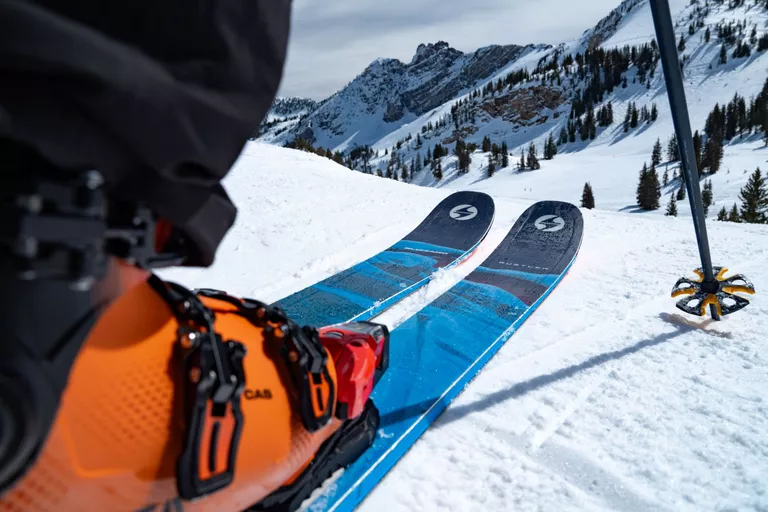
Three Volumes Because Feet Are Not All the Same
Mach1 boots are available in three distinct volumes, reinforcing the idea that high performance gear should fit the skier, not the other way around.
- Low Volume (LV): Maximum precision and sensitivity
- Mid Volume (MV): Balanced comfort and control
- High Volume (HV): More room without sacrificing performance
Volume plays a major role in Real Feel. Excess space inside a boot reduces feedback and control, while the correct volume improves response and comfort at the same time.
T-Drive 2.0 and Why Flex Feel Matters
In the latest Mach1 LV boots, Tecnica introduced T-Drive 2.0, a redesigned system that actively connects the cuff and shell.
This system allows the cuff to slightly rotate forward, directing power to the forefoot where skiers need it most.
What That Means on Snow
- A longer, smoother, more progressive flex
- Less shell deformation
- Consistent performance across temperatures
- Strong power transmission without abrupt rebound
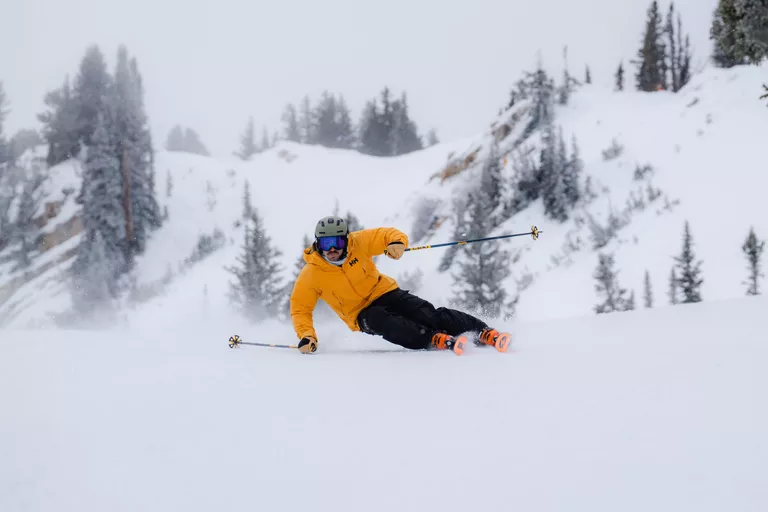
Instead of collapsing or feeling overly stiff, the boot flexes in a controlled, predictable way. That smooth flex is a major reason Mach1 boots feel powerful without feeling punishing.
What Our Boot Fitters See Every Day
One of the most common issues we see at Christy Sports and Sturtevant’s is skiers in boots that are too big.
Extra space might feel comfortable in the shop, but on snow it often causes:
- Excess foot movement
- Slower edge response
- Pressure points and early fatigue
This is why volume selection and professional fitting matter just as much as flex.
If you want a deeper look at why fit makes such a difference, we explain it here:
Why You Should Get a Professional Ski Boot Fitting
How Mach BOA Fits Into the Real Feel Story
While Mach1 represents the most technical expression of Real Feel, Mach BOA boots extend the same philosophy to a broader range of skiers.
What Mach BOA Boots Combine
- Anatomical shell shaping
- Volume-specific design
- The BOA® Fit System for even pressure distribution
BOA tightens more evenly across the foot than traditional buckles, reducing hot spots and helping maintain consistent contact throughout the day. The result is a more natural, intuitive connection between your foot and your skis.

Featured Tecnica Ski Boots
A mid volume, high performance boot designed for advanced skiers who want power with all day comfort. BOA creates even pressure across the foot, while Tecnica’s anatomical shell and customizable liner support precise control.
Best for: Strong all mountain skiers looking for confidence, responsiveness, and consistent feel.
Shop Tecnica Mach BOA MV 120 Ski Boots
Designed specifically for women, this boot balances support and comfort with an approachable flex. BOA helps dial in fit quickly and evenly, while the shell shape supports natural movement on snow.
Best for: Intermediate to advanced women skiers who want control without an overly stiff feel.
Shop Tecnica Mach BOA 95 Women's Ski Boots
Why the Right Feel Always Starts With Fit
Even the best designed ski boot cannot deliver Real Feel without the right fit.
At Christy Sports, our boot fitting process considers:
- Foot shape and volume
- Skiing ability and terrain preferences
- How you actually move when you ski
From shell selection to liner molding and fine tuning, our goal is to help your boots feel like a natural extension of your body.
If you are traveling and renting gear, starting with the right fit still matters. Learn more about daily rentals here:

Ski Boot Fit and Real Feel FAQs
What does “Real Feel” mean in Tecnica ski boots?
In the Mach1 line, Real Feel refers to Tecnica’s inside-out boot design. The liner is shaped first to match natural foot anatomy, then the shell is built around it. The result is a precise, intuitive connection between your foot and the ski with smooth, controlled flex right out of the box.
Are Mach1 and Mach BOA boots the same?
They share the same performance philosophy but use different systems. Mach1 focuses on maximum precision through anatomical construction, volume-specific shells, and technologies like T-Drive 2.0. Mach BOA brings that same feel to a wider range of skiers by using the BOA® Fit System to create even pressure and consistent contact.
Do I need a stiffer boot to ski better?
Not always. A boot that matches your foot shape, volume, and ability often skis better than a stiffer boot that does not fit well. The right feel and flex profile usually lead to better control and less fatigue.
Why does ski boot volume matter so much?
Volume controls how much space exists inside the boot. Too much space reduces responsiveness and causes foot movement. Choosing the correct low, mid, or high volume boot improves edge control, comfort, and overall performance.
What does T-Drive 2.0 do in Mach1 boots?
T-Drive 2.0 actively connects the cuff and shell, allowing a small amount of forward rotation. This directs power to the forefoot, creates a longer and more progressive flex, and helps maintain consistent performance in different temperatures.
Is professional boot fitting worth it?
Yes. Professional boot fitting helps match shell shape, volume, flex, and customization to your foot and skiing style. This leads to better performance, improved comfort, and a more enjoyable day on snow.
Experience Real Feel in Person
The best way to understand Real Feel is to try it on with someone who fits boots every day.
Find your nearest Christy Sports location and talk with one of our boot fitters:
Ski & Snowboard Stores - Christy Sports Locations
When your boots feel right, skiing feels better.
Last Updated: January 9, 2026
Ski & Snowboard,
Gear Guides,
Services
Jan 9, 2026
Why Tecnica Ski Boots Feel Powerful Without Feeling Too Stiff
A great ski day starts with how your boots feel. When that connection is off, everything else follows. Turns feel forced. Confidence drops. Fatigue shows up early.
In our shops, skiers often assume the solution is a stiffer boot or a tighter fit. But what we see is different. The best-performing boots are not the ones that feel the most aggressive. They are the ones that feel natural.
They respond when you move. They stay out of the way. They feel right.
That is the idea behind Tecnica’s Real Feel.
Why Flex Ratings Don’t Tell the Whole Story
Flex ratings matter, but they are only part of the equation.
Two ski boots with the same flex can feel completely different depending on:
- Shell shape and anatomical design
- Pressure distribution across the foot
- Internal volume
- How smoothly the boot flexes when you move
A stiff boot that does not match your foot often feels harsh, delayed, or tiring. A properly fit boot with the right volume and flex profile often feels more powerful and easier to ski all day.
This is why modern boot design has shifted away from stiffness alone and toward feel.
You can see this evolution across the 2025–26 ski boots and bindings lineup here:
Best Ski Boots for Winter 2025/26: What’s New + Top Picks
What “Real Feel” Actually Means in Tecnica Ski Boots
In the Mach1 line, Real Feel is an official Tecnica design philosophy, not just a phrase.
Tecnica engineers Mach1 boots from the inside out, starting with the natural shape of the human foot.
The liner is designed first to mirror foot anatomy. The shell is then built around it. This creates a seamless, wrapped fit that delivers precise control and elite performance right out of the box.
The Three Pillars of Real Feel
Real Feel in Mach1 boots is built on three key elements:
- Anatomical, inside-out construction
- Controlled, progressive flex
- Volume-specific fit with deep customization
The goal is uncompromising control without harshness.
Three Volumes Because Feet Are Not All the Same
Mach1 boots are available in three distinct volumes, reinforcing the idea that high performance gear should fit the skier, not the other way around.
- Low Volume (LV): Maximum precision and sensitivity
- Mid Volume (MV): Balanced comfort and control
- High Volume (HV): More room without sacrificing performance
Volume plays a major role in Real Feel. Excess space inside a boot reduces feedback and control, while the correct volume improves response and comfort at the same time.
T-Drive 2.0 and Why Flex Feel Matters
In the latest Mach1 LV boots, Tecnica introduced T-Drive 2.0, a redesigned system that actively connects the cuff and shell.
This system allows the cuff to slightly rotate forward, directing power to the forefoot where skiers need it most.
What That Means on Snow
- A longer, smoother, more progressive flex
- Less shell deformation
- Consistent performance across temperatures
- Strong power transmission without abrupt rebound
Instead of collapsing or feeling overly stiff, the boot flexes in a controlled, predictable way. That smooth flex is a major reason Mach1 boots feel powerful without feeling punishing.
What Our Boot Fitters See Every Day
One of the most common issues we see at Christy Sports and Sturtevant’s is skiers in boots that are too big.
Extra space might feel comfortable in the shop, but on snow it often causes:
- Excess foot movement
- Slower edge response
- Pressure points and early fatigue
This is why volume selection and professional fitting matter just as much as flex.
If you want a deeper look at why fit makes such a difference, we explain it here:
Why You Should Get a Professional Ski Boot Fitting
How Mach BOA Fits Into the Real Feel Story
While Mach1 represents the most technical expression of Real Feel, Mach BOA boots extend the same philosophy to a broader range of skiers.
What Mach BOA Boots Combine
- Anatomical shell shaping
- Volume-specific design
- The BOA® Fit System for even pressure distribution
BOA tightens more evenly across the foot than traditional buckles, reducing hot spots and helping maintain consistent contact throughout the day. The result is a more natural, intuitive connection between your foot and your skis.
Featured Tecnica Ski Boots
A mid volume, high performance boot designed for advanced skiers who want power with all day comfort. BOA creates even pressure across the foot, while Tecnica’s anatomical shell and customizable liner support precise control.
Best for: Strong all mountain skiers looking for confidence, responsiveness, and consistent feel.
Shop Tecnica Mach BOA MV 120 Ski Boots
Designed specifically for women, this boot balances support and comfort with an approachable flex. BOA helps dial in fit quickly and evenly, while the shell shape supports natural movement on snow.
Best for: Intermediate to advanced women skiers who want control without an overly stiff feel.
Shop Tecnica Mach BOA 95 Women's Ski Boots
Why the Right Feel Always Starts With Fit
Even the best designed ski boot cannot deliver Real Feel without the right fit.
At Christy Sports, our boot fitting process considers:
- Foot shape and volume
- Skiing ability and terrain preferences
- How you actually move when you ski
From shell selection to liner molding and fine tuning, our goal is to help your boots feel like a natural extension of your body.
If you are traveling and renting gear, starting with the right fit still matters. Learn more about daily rentals here:
Ski Boot Fit and Real Feel FAQs
What does “Real Feel” mean in Tecnica ski boots?
In the Mach1 line, Real Feel refers to Tecnica’s inside-out boot design. The liner is shaped first to match natural foot anatomy, then the shell is built around it. The result is a precise, intuitive connection between your foot and the ski with smooth, controlled flex right out of the box.
Are Mach1 and Mach BOA boots the same?
They share the same performance philosophy but use different systems. Mach1 focuses on maximum precision through anatomical construction, volume-specific shells, and technologies like T-Drive 2.0. Mach BOA brings that same feel to a wider range of skiers by using the BOA® Fit System to create even pressure and consistent contact.
Do I need a stiffer boot to ski better?
Not always. A boot that matches your foot shape, volume, and ability often skis better than a stiffer boot that does not fit well. The right feel and flex profile usually lead to better control and less fatigue.
Why does ski boot volume matter so much?
Volume controls how much space exists inside the boot. Too much space reduces responsiveness and causes foot movement. Choosing the correct low, mid, or high volume boot improves edge control, comfort, and overall performance.
What does T-Drive 2.0 do in Mach1 boots?
T-Drive 2.0 actively connects the cuff and shell, allowing a small amount of forward rotation. This directs power to the forefoot, creates a longer and more progressive flex, and helps maintain consistent performance in different temperatures.
Is professional boot fitting worth it?
Yes. Professional boot fitting helps match shell shape, volume, flex, and customization to your foot and skiing style. This leads to better performance, improved comfort, and a more enjoyable day on snow.
Experience Real Feel in Person
The best way to understand Real Feel is to try it on with someone who fits boots every day.
Find your nearest Christy Sports location and talk with one of our boot fitters:
Ski & Snowboard Stores - Christy Sports Locations
When your boots feel right, skiing feels better.
Last Updated: January 9, 2026