Ski & Snowboard,
Services,
Events
Jan 20, 2026
Winter Games Gear Lessons: What Top Skiers and Riders Teach Us About Vision, Fit, and Performance
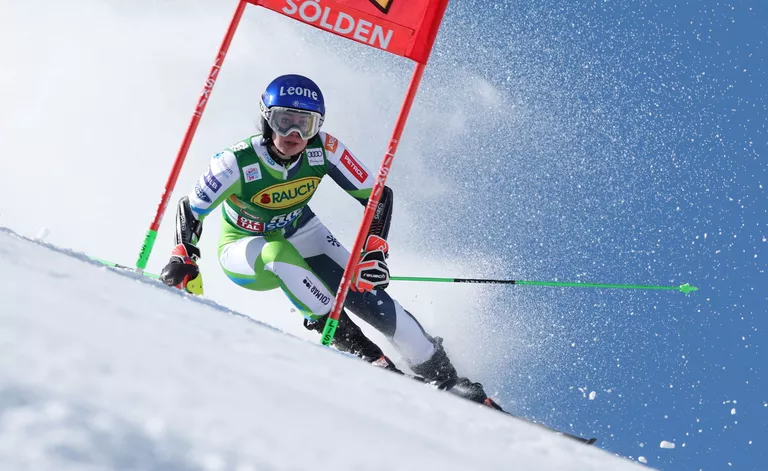
Watch an Olympic downhill and you will see athletes charging icy courses at highway speeds, reading terrain changes in seconds, and trusting their edges and vision without hesitation. What looks effortless on screen is built on years of preparation and complete confidence in their gear.
Everyday takeaway: The same fundamentals that help elite athletes ski at speed: clear vision, proper fit, and well-tuned equipment; are what make everyday ski days safer, smoother, and more enjoyable.
Most of us are not racing gates or dropping into slopestyle courses, but the fundamentals Olympic athletes rely on are the same ones that matter on any ski day. Clear vision. Proper fit. Equipment that performs when conditions change. That is where elite-level lessons become practical.
Here’s what Olympic competition can teach us about skiing smarter, safer, and with more confidence.
In This Guide
- Vision Comes First: Why Olympians Obsess Over Ski Goggles in Flat Light
- Why Helmets Matter at the Olympic Level, and on Everyday Ski Days
- Skis, Snowboards, and Tuning: Why Edges and Wax Matter in Variable Snow
- Boots, Bindings, and Control: Why Proper Boot Fit Changes Everything
- How to Watch the Milano Cortina 2026 Winter Olympics
- Team USA Winter Athletes with Roots in the Mountain West and Pacific Northwest
- Olympic Preparation, Everyday Confidence on the Mountain
Note: This post discusses public information about winter sports competitions and is not affiliated with or endorsed by the International Olympic Committee, USOPC, or Milano Cortina 2026 organizers.
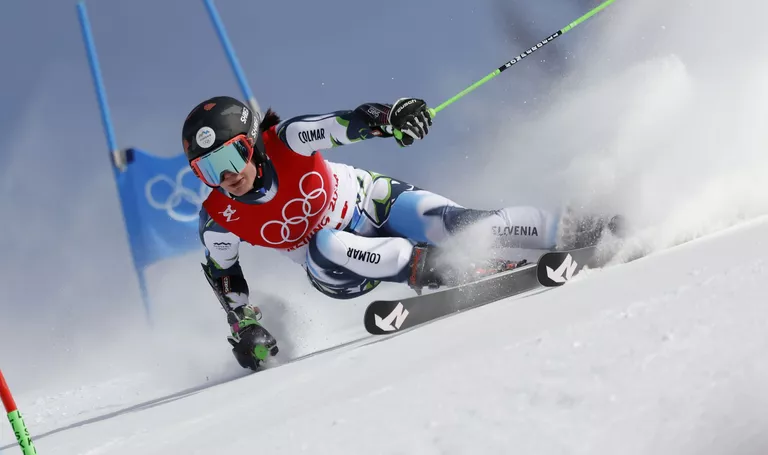
Vision Comes First: Why Olympians Obsess Over Ski Goggles in Flat Light
Olympic athletes choose goggles based on light, contrast, and visibility. Flat light, glare, and sudden cloud cover can turn even a familiar course into a guessing game.
In flat light, even Olympic terrain can disappear into white. Athletes rely on contrast-enhancing lenses to spot subtle rolls, ruts, and texture changes before they become mistakes.
For recreational skiers and riders, the takeaway is simple. The right lens helps you read terrain, react sooner, and ski with more confidence. Proper helmet and goggle integration also matters. A seamless fit reduces fogging and distractions so your focus stays on the run in front of you.
If you want to go deeper on how helmets and goggles are designed to work together, this guide explains why pairing matters: Why Your Ski Goggles and Helmet Should Be Chosen Together.
Want clearer vision on your next ski day? Visit Christy Sports to explore goggle and helmet systems designed for changing light and real mountain conditions.
Why Helmets Matter at the Olympic Level, and on Everyday Ski Days
In Olympic racing and freestyle events, helmets are designed for more than impact protection. Athletes depend on them to manage heat, block wind, maintain clear vision, and stay focused at speed. A helmet that shifts, overheats, or creates a goggle gap is a distraction Olympic athletes cannot afford.
That same principle applies on a busy resort day. When your helmet fits properly and works with your goggles, you stay warmer, see more clearly, and spend less energy adjusting your gear. That translates to better decisions, smoother turns, and fewer mistakes as conditions change.
If your helmet has been through a few seasons of cold, sun, and hard use, it may not perform the way it once did. Materials break down over time, even without a visible crash. This guide walks through when replacement matters most: When to Replace Your Ski Helmet (2025–2026 Guide).
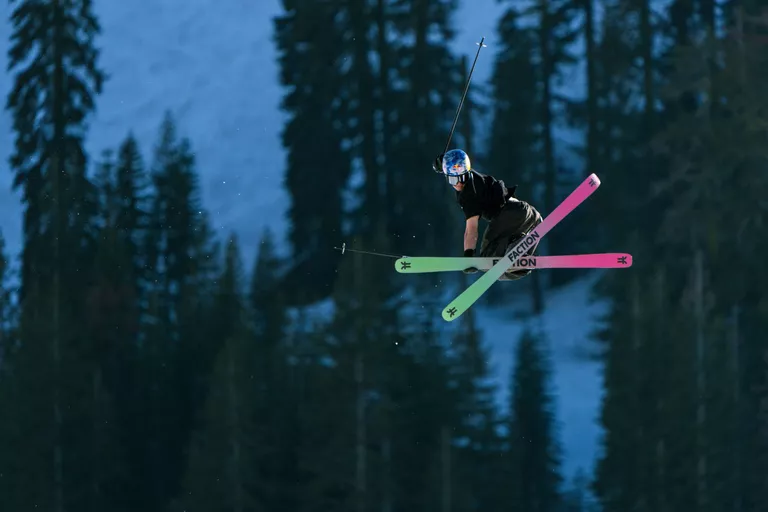
Skis, Snowboards, and Tuning: Why Edges and Wax Matter in Variable Snow
Olympic events often take place on firm, injected snow or highly variable surfaces. Edges must engage precisely, and equipment has to respond instantly.
That same reality shows up on local mountains all season long. When snow is firm, scraped off, or changing throughout the day, tuning matters. Sharp edges improve grip on hardpack. Proper waxing helps skis and boards glide predictably. Even small adjustments can make equipment feel noticeably more stable and easier to control.
This is why regular tuning and timely repairs matter, especially mid-season. Worn edges, dry bases, or minor damage can quietly affect performance long before gear feels “broken.” A quick tune can restore confidence and extend the life of the equipment you already own.
If you’re unsure whether your gear needs attention, this mid-winter check is a helpful place to start: Mid-Winter Gear Check: Keep Your Ski & Snowboard Equipment Peak-Season Ready with Christy Sports.
Renting or demoing modern equipment can also be a smart option, particularly when conditions change quickly or your current setup has seen a few seasons. For travelers or families, rentals simplify logistics while ensuring gear is matched to current snow conditions.
Learn more about how rentals work and what to expect: Complete Guide to Ski and Snowboard Rentals: Make the Most of Your Mountain Time.
Ready to reserve?
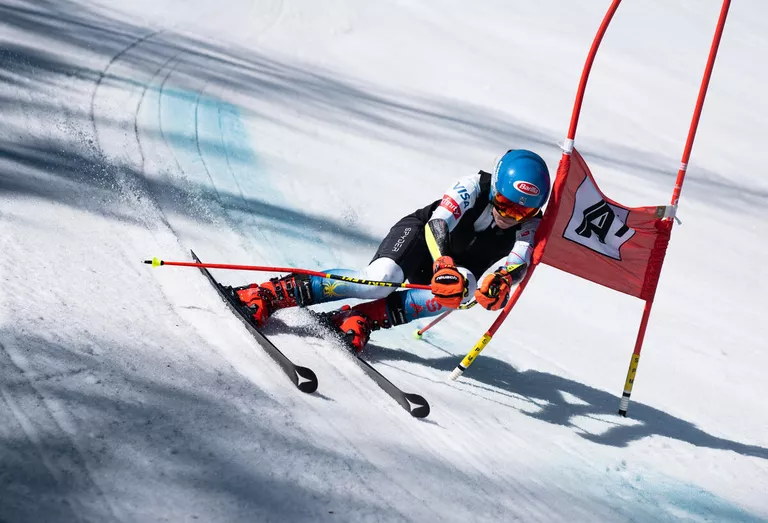
Boots, Bindings, and Control: Why Proper Boot Fit Changes Everything
Olympic athletes rely on boots and bindings that transfer movement precisely and release when they should. Control starts at the feet, where small adjustments can make the biggest difference.
For recreational skiers and riders, boot fit is one of the most important factors in comfort, confidence, and safety. A properly fitted boot improves balance, reduces fatigue, and helps you respond more naturally as terrain, snow, or traffic changes throughout the day. When your boots fit well, skiing feels smoother and less forced.
Bindings also play a critical role and should always be set correctly for your ability and skiing style. This is not about chasing performance specs. It is about creating a setup that supports how you actually ski.
Custom boot fitting brings all of this together. From shell selection and stance alignment to liner molding and on-snow adjustments, expert boot fitting ensures your boots work with your body, not against it. If you want to understand why professional boot fitting matters and what the process involves, this guide breaks it down clearly:
Why Professional Boot Fitting Makes a Difference
Control starts at your feet. Stop by Christy Sports to have your boots checked, adjusted, or custom-fit by experts who do this every day.
How to Watch the Milano Cortina 2026 Winter Olympics
The Milano Cortina 2026 Winter Olympics bring the Games back to the Alps, with events hosted across Northern Italy’s historic mountain venues.
Fans can find full schedules and event overviews on the official Olympic website. In the United States, coverage will be available across NBCUniversal platforms, including Peacock, with live broadcasts, replays, and highlights.
Many alpine, freestyle, and snowboard finals air early in the morning Mountain Time, so setting alerts is the easiest way to catch key events live.
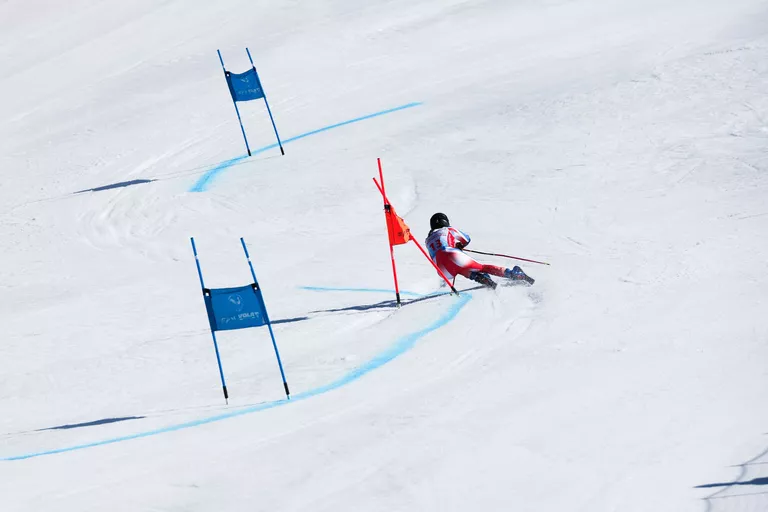
Team USA Winter Athletes with Roots in the Mountain West and Pacific Northwest
Many Team USA winter athletes come from, or spend significant time training in, the same mountain towns, resorts, and high-altitude environments Christy Sports serves every day. These regions play an important role in athlete development thanks to varied terrain, reliable snow, and access to world-class training venues.
Alpine Skiing
- Mikaela Shiffrin — Edwards, Colorado. Born in Vail and raised in the Vail Valley, Shiffrin’s Colorado roots are central to her development and continued training.
- Lindsey Vonn — Qualified for her fifth career Winter Olympic Games; maintains deep ties to Colorado through residence, training, and competition.
- Bryce Bennett — Regularly trains and competes in Colorado. While California-born, Bennett frequently trains and races on Colorado’s World Cup venues, including Beaver Creek.
Snowboarding
- Red Gerard — Silverthorne, Colorado. Raised in Summit County, Gerard honed his skills on local terrain and backyard features.
- Chris Corning — Arvada, Colorado; trains at Copper Mountain. A Front Range native who trains extensively in Colorado’s terrain parks.
- Chloe Kim — Trains periodically in Colorado. Primarily based in California, Kim has used Colorado venues such as Copper Mountain for early-season and supplemental training.
Freestyle Skiing
- Alex Hall — Park City, Utah. Based in Park City, Hall trains year-round on Utah’s freestyle infrastructure.
- Nick Goepper — Trains in Utah and Colorado. Indiana-born, but consistently trains and competes across Western freestyle hubs.
- Aaron Blunck — Crested Butte, Colorado. Born and raised in Crested Butte, with strong lifelong ties to the local ski community.
Cross-Country Skiing
- Jessie Diggins — Trains periodically in Colorado. While primarily based in the Midwest, Diggins regularly attends U.S. team camps and altitude training blocks in Colorado.
- Kate Oldham — Carbondale, Colorado; 2025–26 Stifel U.S. Cross Country Ski Team (B Team). A Colorado native who earned her first World Cup starts and national team selection.
Cross-Country Skiing (Development Team)
- Haley Brewster — Avon, Colorado; Stifel U.S. Cross Country Ski Team Development Team. A Vail Valley native developing through the U.S. pipeline.
Milano Cortina 2026 will also mark the Olympic debut of ski mountaineering, a discipline where many U.S. athletes train in Colorado, Utah, Montana, and the Pacific Northwest, regions whose altitude and terrain closely resemble European race environments.
What Is Olympic Ski Mountaineering?
Making its Olympic debut at Milano Cortina 2026, ski mountaineering combines uphill climbing, fast transitions, and technical downhill skiing into a single, continuous race. Athletes climb using skins, remove them in transition zones, and descend on lightweight equipment designed for efficiency and control.
Olympic events include short sprint races and a mixed relay, where speed, pacing, and clean transitions matter as much as skiing ability.
Ski mountaineering reflects a human-powered approach to the mountains and feels especially relevant to Western skiers, where uphill travel, variable terrain, and long winters are part of everyday mountain life.
Frequently Asked Questions
Do Olympic skiers use different gear than recreational skiers?
Olympic athletes use highly specialized equipment, but the fundamentals are the same. Proper fit, clear vision, tuned edges, and gear matched to conditions matter just as much for everyday skiers.
Why do Olympic skiers care so much about goggles and visibility?
At speed, Olympic skiers are not reacting to obstacles. They are anticipating terrain before it arrives. Goggles that enhance contrast help athletes see subtle changes in snow texture earlier, reducing reaction time and mental fatigue. That same advantage helps recreational skiers make smoother decisions, especially in flat light or busy conditions.
How often should skis and snowboards be tuned during the season?
Most skiers should wax every 4 to 6 days on snow and touch up edges every 8 to 10 days, or sooner in icy or hardpack conditions. Casual skiers typically need one or two full tunes per season, while frequent skiers may tune more often. Tune based on feel, not the calendar.
If you are unsure what your skis or board need, a quick check at a Christy Sports service shop can help.
Why is professional boot fitting so important?
Boot fit affects balance, comfort, and control. A properly fitted boot reduces fatigue and helps skiers respond more naturally as terrain and conditions change throughout the day.
Professional boot fitting focuses on matching the boot to your foot shape, stance, and skiing style, not just size.
What is ski mountaineering, and why is it now an Olympic sport?
Ski mountaineering combines uphill climbing, fast transitions, and technical descents using lightweight gear. It reflects a human-powered approach to the mountains and makes its Olympic debut at Milano Cortina 2026.
Where can I watch the Milano Cortina 2026 Winter Olympics in the U.S.?
In the United States, coverage will be available across NBCUniversal platforms, including Peacock, with live broadcasts, replays, and highlights.
Olympic Preparation, Everyday Confidence on the Mountain
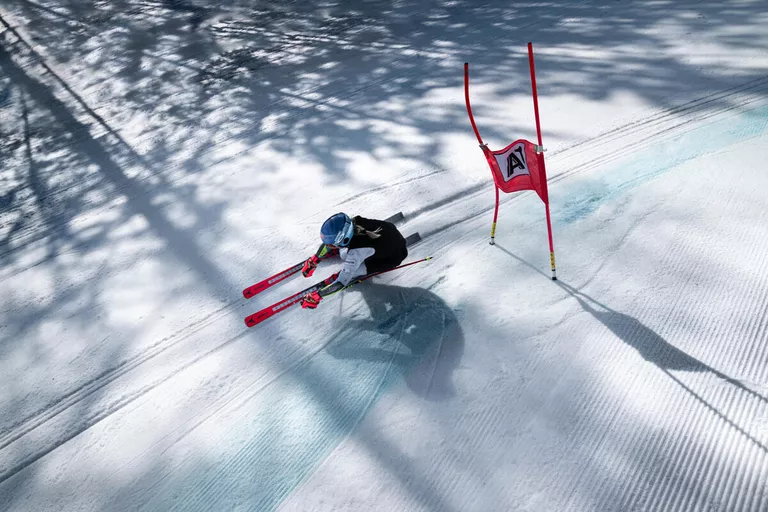
Olympic runs are decided long before the start gate. Preparation lets athletes focus on the moment, not their equipment.
The same is true for everyday skiers and riders. When your gear fits, your vision is clear, and your setup matches the conditions, you ski with more confidence and less hesitation. Turns feel smoother. Decisions come faster. The day simply flows better.
If you are thinking about updating layers, outerwear, or accessories this season, these guides break down what is new and what matters most:
- Winter Gear Guide 2025/26: Skis, Boots, Snowboards & Apparel
- New Winter Apparel 25/26: Performance, Comfort & Style for Every Condition
- Best Ski and Snowboard Accessories for Winter 2025/26: What’s New and Top Picks — Socks, Gloves, Mittens, and More
Inspired by Olympic-level preparation, your best days on snow start with feeling ready. Visit Christy Sports to get set up for the conditions you actually ski, so you can spend less time thinking about your gear and more time enjoying where you are.
Last updated January 20, 2026.
Ski & Snowboard,
Services,
Events
Jan 20, 2026
Winter Games Gear Lessons: What Top Skiers and Riders Teach Us About Vision, Fit, and Performance
Watch an Olympic downhill and you will see athletes charging icy courses at highway speeds, reading terrain changes in seconds, and trusting their edges and vision without hesitation. What looks effortless on screen is built on years of preparation and complete confidence in their gear.
Everyday takeaway: The same fundamentals that help elite athletes ski at speed: clear vision, proper fit, and well-tuned equipment; are what make everyday ski days safer, smoother, and more enjoyable.
Most of us are not racing gates or dropping into slopestyle courses, but the fundamentals Olympic athletes rely on are the same ones that matter on any ski day. Clear vision. Proper fit. Equipment that performs when conditions change. That is where elite-level lessons become practical.
Here’s what Olympic competition can teach us about skiing smarter, safer, and with more confidence.
In This Guide
- Vision Comes First: Why Olympians Obsess Over Ski Goggles in Flat Light
- Why Helmets Matter at the Olympic Level, and on Everyday Ski Days
- Skis, Snowboards, and Tuning: Why Edges and Wax Matter in Variable Snow
- Boots, Bindings, and Control: Why Proper Boot Fit Changes Everything
- How to Watch the Milano Cortina 2026 Winter Olympics
- Team USA Winter Athletes with Roots in the Mountain West and Pacific Northwest
- Olympic Preparation, Everyday Confidence on the Mountain
Note: This post discusses public information about winter sports competitions and is not affiliated with or endorsed by the International Olympic Committee, USOPC, or Milano Cortina 2026 organizers.
Vision Comes First: Why Olympians Obsess Over Ski Goggles in Flat Light
Olympic athletes choose goggles based on light, contrast, and visibility. Flat light, glare, and sudden cloud cover can turn even a familiar course into a guessing game.
In flat light, even Olympic terrain can disappear into white. Athletes rely on contrast-enhancing lenses to spot subtle rolls, ruts, and texture changes before they become mistakes.
For recreational skiers and riders, the takeaway is simple. The right lens helps you read terrain, react sooner, and ski with more confidence. Proper helmet and goggle integration also matters. A seamless fit reduces fogging and distractions so your focus stays on the run in front of you.
If you want to go deeper on how helmets and goggles are designed to work together, this guide explains why pairing matters: Why Your Ski Goggles and Helmet Should Be Chosen Together.
Want clearer vision on your next ski day? Visit Christy Sports to explore goggle and helmet systems designed for changing light and real mountain conditions.
Why Helmets Matter at the Olympic Level, and on Everyday Ski Days
In Olympic racing and freestyle events, helmets are designed for more than impact protection. Athletes depend on them to manage heat, block wind, maintain clear vision, and stay focused at speed. A helmet that shifts, overheats, or creates a goggle gap is a distraction Olympic athletes cannot afford.
That same principle applies on a busy resort day. When your helmet fits properly and works with your goggles, you stay warmer, see more clearly, and spend less energy adjusting your gear. That translates to better decisions, smoother turns, and fewer mistakes as conditions change.
If your helmet has been through a few seasons of cold, sun, and hard use, it may not perform the way it once did. Materials break down over time, even without a visible crash. This guide walks through when replacement matters most: When to Replace Your Ski Helmet (2025–2026 Guide).
Skis, Snowboards, and Tuning: Why Edges and Wax Matter in Variable Snow
Olympic events often take place on firm, injected snow or highly variable surfaces. Edges must engage precisely, and equipment has to respond instantly.
That same reality shows up on local mountains all season long. When snow is firm, scraped off, or changing throughout the day, tuning matters. Sharp edges improve grip on hardpack. Proper waxing helps skis and boards glide predictably. Even small adjustments can make equipment feel noticeably more stable and easier to control.
This is why regular tuning and timely repairs matter, especially mid-season. Worn edges, dry bases, or minor damage can quietly affect performance long before gear feels “broken.” A quick tune can restore confidence and extend the life of the equipment you already own.
If you’re unsure whether your gear needs attention, this mid-winter check is a helpful place to start: Mid-Winter Gear Check: Keep Your Ski & Snowboard Equipment Peak-Season Ready with Christy Sports.
Renting or demoing modern equipment can also be a smart option, particularly when conditions change quickly or your current setup has seen a few seasons. For travelers or families, rentals simplify logistics while ensuring gear is matched to current snow conditions.
Learn more about how rentals work and what to expect: Complete Guide to Ski and Snowboard Rentals: Make the Most of Your Mountain Time.
Ready to reserve?
Boots, Bindings, and Control: Why Proper Boot Fit Changes Everything
Olympic athletes rely on boots and bindings that transfer movement precisely and release when they should. Control starts at the feet, where small adjustments can make the biggest difference.
For recreational skiers and riders, boot fit is one of the most important factors in comfort, confidence, and safety. A properly fitted boot improves balance, reduces fatigue, and helps you respond more naturally as terrain, snow, or traffic changes throughout the day. When your boots fit well, skiing feels smoother and less forced.
Bindings also play a critical role and should always be set correctly for your ability and skiing style. This is not about chasing performance specs. It is about creating a setup that supports how you actually ski.
Custom boot fitting brings all of this together. From shell selection and stance alignment to liner molding and on-snow adjustments, expert boot fitting ensures your boots work with your body, not against it. If you want to understand why professional boot fitting matters and what the process involves, this guide breaks it down clearly:
Why Professional Boot Fitting Makes a Difference
Control starts at your feet. Stop by Christy Sports to have your boots checked, adjusted, or custom-fit by experts who do this every day.
How to Watch the Milano Cortina 2026 Winter Olympics
The Milano Cortina 2026 Winter Olympics bring the Games back to the Alps, with events hosted across Northern Italy’s historic mountain venues.
Fans can find full schedules and event overviews on the official Olympic website. In the United States, coverage will be available across NBCUniversal platforms, including Peacock, with live broadcasts, replays, and highlights.
Many alpine, freestyle, and snowboard finals air early in the morning Mountain Time, so setting alerts is the easiest way to catch key events live.
Team USA Winter Athletes with Roots in the Mountain West and Pacific Northwest
Many Team USA winter athletes come from, or spend significant time training in, the same mountain towns, resorts, and high-altitude environments Christy Sports serves every day. These regions play an important role in athlete development thanks to varied terrain, reliable snow, and access to world-class training venues.
Alpine Skiing
- Mikaela Shiffrin — Edwards, Colorado. Born in Vail and raised in the Vail Valley, Shiffrin’s Colorado roots are central to her development and continued training.
- Lindsey Vonn — Qualified for her fifth career Winter Olympic Games; maintains deep ties to Colorado through residence, training, and competition.
- Bryce Bennett — Regularly trains and competes in Colorado. While California-born, Bennett frequently trains and races on Colorado’s World Cup venues, including Beaver Creek.
Snowboarding
- Red Gerard — Silverthorne, Colorado. Raised in Summit County, Gerard honed his skills on local terrain and backyard features.
- Chris Corning — Arvada, Colorado; trains at Copper Mountain. A Front Range native who trains extensively in Colorado’s terrain parks.
- Chloe Kim — Trains periodically in Colorado. Primarily based in California, Kim has used Colorado venues such as Copper Mountain for early-season and supplemental training.
Freestyle Skiing
- Alex Hall — Park City, Utah. Based in Park City, Hall trains year-round on Utah’s freestyle infrastructure.
- Nick Goepper — Trains in Utah and Colorado. Indiana-born, but consistently trains and competes across Western freestyle hubs.
- Aaron Blunck — Crested Butte, Colorado. Born and raised in Crested Butte, with strong lifelong ties to the local ski community.
Cross-Country Skiing
- Jessie Diggins — Trains periodically in Colorado. While primarily based in the Midwest, Diggins regularly attends U.S. team camps and altitude training blocks in Colorado.
- Kate Oldham — Carbondale, Colorado; 2025–26 Stifel U.S. Cross Country Ski Team (B Team). A Colorado native who earned her first World Cup starts and national team selection.
Cross-Country Skiing (Development Team)
- Haley Brewster — Avon, Colorado; Stifel U.S. Cross Country Ski Team Development Team. A Vail Valley native developing through the U.S. pipeline.
Milano Cortina 2026 will also mark the Olympic debut of ski mountaineering, a discipline where many U.S. athletes train in Colorado, Utah, Montana, and the Pacific Northwest, regions whose altitude and terrain closely resemble European race environments.
What Is Olympic Ski Mountaineering?
Making its Olympic debut at Milano Cortina 2026, ski mountaineering combines uphill climbing, fast transitions, and technical downhill skiing into a single, continuous race. Athletes climb using skins, remove them in transition zones, and descend on lightweight equipment designed for efficiency and control.
Olympic events include short sprint races and a mixed relay, where speed, pacing, and clean transitions matter as much as skiing ability.
Ski mountaineering reflects a human-powered approach to the mountains and feels especially relevant to Western skiers, where uphill travel, variable terrain, and long winters are part of everyday mountain life.
Frequently Asked Questions
Do Olympic skiers use different gear than recreational skiers?
Olympic athletes use highly specialized equipment, but the fundamentals are the same. Proper fit, clear vision, tuned edges, and gear matched to conditions matter just as much for everyday skiers.
Why do Olympic skiers care so much about goggles and visibility?
At speed, Olympic skiers are not reacting to obstacles. They are anticipating terrain before it arrives. Goggles that enhance contrast help athletes see subtle changes in snow texture earlier, reducing reaction time and mental fatigue. That same advantage helps recreational skiers make smoother decisions, especially in flat light or busy conditions.
How often should skis and snowboards be tuned during the season?
Most skiers should wax every 4 to 6 days on snow and touch up edges every 8 to 10 days, or sooner in icy or hardpack conditions. Casual skiers typically need one or two full tunes per season, while frequent skiers may tune more often. Tune based on feel, not the calendar.
If you are unsure what your skis or board need, a quick check at a Christy Sports service shop can help.
Why is professional boot fitting so important?
Boot fit affects balance, comfort, and control. A properly fitted boot reduces fatigue and helps skiers respond more naturally as terrain and conditions change throughout the day.
Professional boot fitting focuses on matching the boot to your foot shape, stance, and skiing style, not just size.
What is ski mountaineering, and why is it now an Olympic sport?
Ski mountaineering combines uphill climbing, fast transitions, and technical descents using lightweight gear. It reflects a human-powered approach to the mountains and makes its Olympic debut at Milano Cortina 2026.
Where can I watch the Milano Cortina 2026 Winter Olympics in the U.S.?
In the United States, coverage will be available across NBCUniversal platforms, including Peacock, with live broadcasts, replays, and highlights.
Olympic Preparation, Everyday Confidence on the Mountain
Olympic runs are decided long before the start gate. Preparation lets athletes focus on the moment, not their equipment.
The same is true for everyday skiers and riders. When your gear fits, your vision is clear, and your setup matches the conditions, you ski with more confidence and less hesitation. Turns feel smoother. Decisions come faster. The day simply flows better.
If you are thinking about updating layers, outerwear, or accessories this season, these guides break down what is new and what matters most:
- Winter Gear Guide 2025/26: Skis, Boots, Snowboards & Apparel
- New Winter Apparel 25/26: Performance, Comfort & Style for Every Condition
- Best Ski and Snowboard Accessories for Winter 2025/26: What’s New and Top Picks — Socks, Gloves, Mittens, and More
Inspired by Olympic-level preparation, your best days on snow start with feeling ready. Visit Christy Sports to get set up for the conditions you actually ski, so you can spend less time thinking about your gear and more time enjoying where you are.
Last updated January 20, 2026.