Ski & Snowboard,
Gear Guides
Nov 12, 2025
How to Build Your Perfect Ski Quiver for 2025/26
Expert advice and ski recommendations to match every mountain condition — from Colorado powder to Utah corduroy.
A great ski quiver keeps you ready for every kind of snow day. Whether you chase deep powder in Utah, carve corduroy in Colorado, or lap groomers in Washington and Montana, the right mix of skis turns a good day into your best one.
At Christy Sports and Sturtevant’s, our teams spend every winter testing skis in real mountain conditions. Here’s how to build your perfect ski quiver for Winter 2025/26 — with expert recommendations from the shops and slopes we call home.
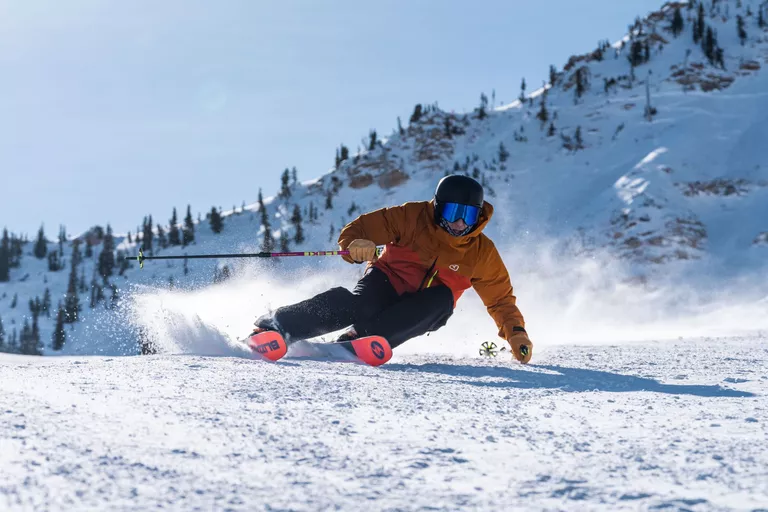
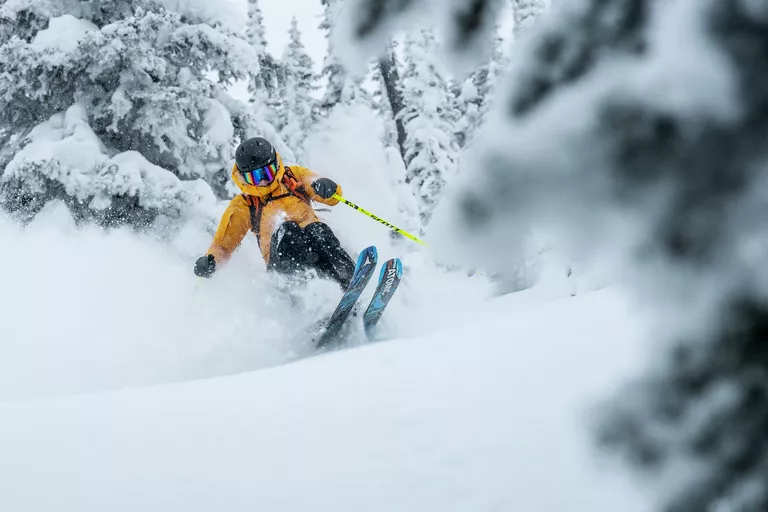
Skier on Blizzard Rustler 10s
Quick Answer: What Is a Ski Quiver and How Do You Build One?
A ski quiver is a small collection of skis designed for different snow conditions so you always have the right pair for the day.
As a general rule, aim for 8–10 millimeters of waist-width difference between each pair to make sure they perform differently. For example:
- 88 mm carving ski → quick, nimble turns on firm snow
- 98 mm all-mountain ski → your everyday workhorse
- 108 mm powder ski → float and stability on deep days
Why build one?
- Match your skis to changing snow and terrain
- Extend the lifespan of each pair
- Improve performance and comfort
- Spend more days enjoying the mountain instead of adjusting gear
Expert Tip: Start with the ski you’ll use most (usually an all-mountain ski) then add specialty skis for powder or carving as your skills and goals evolve.
All-Mountain Skis: The Foundation of Every Quiver
All-mountain skis are the daily driver of any setup. With waist widths between 90 and 105 mm, they handle everything from groomed runs to soft snow, making them ideal for resorts like Steamboat, Park City, and Crystal Mountain.
Top All-Mountain Skis for 2025/26
- Atomic Bent 100 – Playful, balanced, and fun on any terrain.
- Blizzard Rustler 10 (Men’s) / Sheeva 10 (Women’s) – Smooth, confident, and stable in mixed conditions.
- K2 Mindbender 99Ti (Men’s) / Mindbender 96C (Women’s) – Dependable edge hold and lively rebound.
- Nordica Enforcer 99 – A Colorado favorite for stability and control.
- Nordica Santa Ana 92 (Women’s) – Versatile and confidence-boosting for mixed snow.
- Blizzard Black Pearl 88 – Trusted by women everywhere for its balance and precision.
- Salomon QST 100 – Forgiving yet strong; great for skiers who want one ski for all days.
- Dynastar M-Free 100 – Playful and energetic with a touch of freeride flair.
- Rossignol Sender Soul 102 – Blends freeride shape with all-mountain balance.
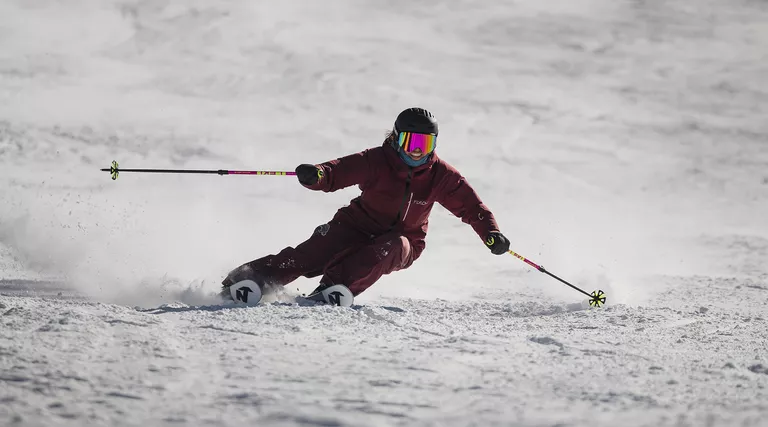
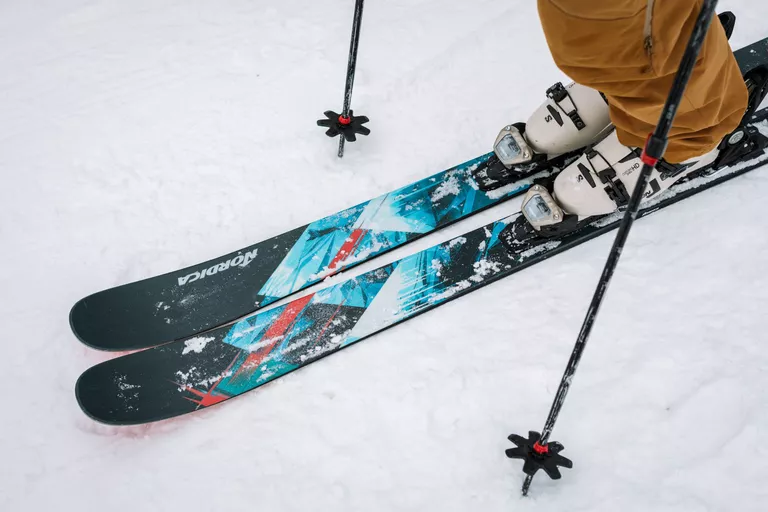
Skier on Nordica Santa Anas
Backcountry Skis: For the Mountain Explorer
If you love quiet turns and untouched snow, a backcountry setup opens up new worlds. These lightweight skis pair with tech bindings for efficient climbing without losing downhill performance.
Before heading into the backcountry, make sure you’ve taken an avalanche safety course and have the right gear. Our Christy Sports locations in Dillon, Park Meadows, Kimball Junction, and Steamboat can help you get started.
Top Backcountry Picks for 2025/26
- Salomon QST Echo – Lightweight with the heart of a resort ski.
- Dynafit Ridge 95 – Reliable for long tours and variable snow.
- Dynafit Radical 97 (Men's) / Dynafit Radical 97 (Women's) – Smooth and stable for both uphill and downhill.
Park Skis: For the Freestyle Rider
Park skis are made for creativity: spins, butters, side hits, and switch skiing. Their twin-tip design makes the whole mountain your playground.
Top Park Skis for 2025/26
- Armada ARV 94 MadSteez / Armada ARV 100 MadSteez – The modern freestyle benchmark.
- Armada ARW 94 (Women’s) / Armada ARW 88 (Women’s) – Lightweight and poppy for playful laps.
- Faction Prodigy 2 – Fun, balanced, and ready for both park and all-mountain.
- Nordica Unleashed 98 CA – Smooth and confident with a touch of freeride.
- Elan Playmaker 101 – Surfy, fun, and versatile.
- Black Crows Captis Birdie Skis (Women's) – Agile and energetic with true twin-tip feel.
- K2 Reckoner (Women's) – Reliable and fun for park or powder stashes.
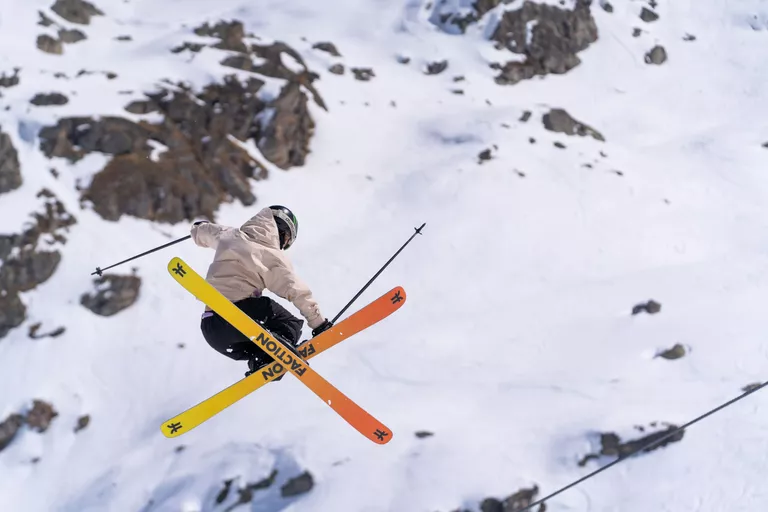
Faction Prodigy skis
Powder Skis: For the Deep-Snow Enthusiast
When it’s dumping, powder skis keep you floating and smiling. These wide skis (110 mm+) are built for deep snow and soft landings in places like Alta, Big Sky, and Loveland Pass.
Top Powder Skis for 2025/26
- K2 Reckoner 110 – A go-to for playful, surfy days.
- Atomic Bent 110 / Bent Chetler 120 – The gold standard for deep snow.
- Rossignol Sender Free 110 – Directional and dependable in mixed snow.
- Armada Whitewalker 116 – Big-mountain capable yet surprisingly nimble.
- Elan Ripstick 108 – Smooth and balanced for western snowpacks.
- Dynastar M-Free 108 – Power and pop for skiers who love charging in powder.
Carving Skis: For the Speed Demon
Carving skis are made for perfect corduroy and high-speed arcs. With waists under 90 mm, they transition edge-to-edge with precision and confidence.
Top Carving Skis for 2025/26
- Elan Wingman 86 Black Edition – Smooth, stable, and responsive.
- Blizzard Anomaly 88 – Crisp turns and solid grip for advanced skiers.
- Head Supershape e-Titan Performance Skis + PR 11 GW Bindings – Power and precision for frontside specialists.
- Stockli Montero AR – A premium, smooth ride that feels effortless.
- Nordica Enforcer 89 – The balance of strength and approachability.
- Elan Wildcat 83 Black Edition – Agile and confident on hard snow.
- Blizzard Stormbird 82 Dti Skis + TPX 12 Bindings – Fast, predictable, and easy to enjoy.
- Volkl Mantra 88 – Iconic grip with classic feel.
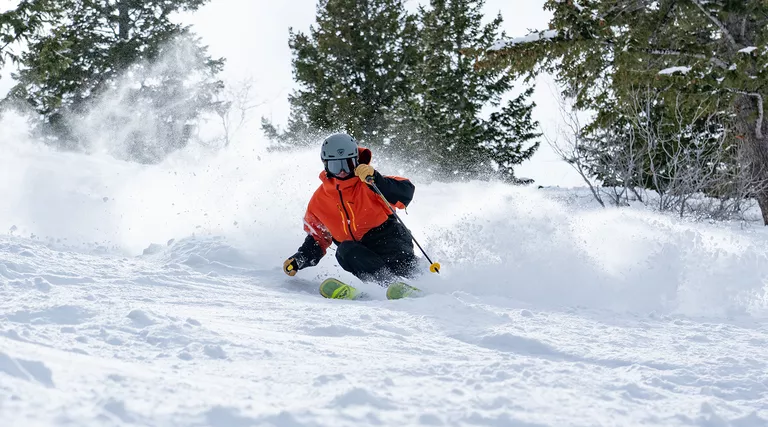
How to Build a Balanced Ski Quiver
You don’t need a dozen skis—just the right mix. Most skiers in the Rockies and Pacific Northwest are set with two or three pairs:
- All-Mountain Ski (95–100 mm) for everyday use
- Powder Ski (105–115 mm) for storm cycles
- Carving Ski (80–88 mm) for groomers and spring snow
If you’re unsure where to start, stop by Christy Sports in Colorado, Utah, or Montana, or Sturtevant’s in Washington. Our experts can help you find the perfect combination for your ability and local conditions.
Christy Sports Services: Keep Your Gear Mountain-Ready
Your quiver performs best when it’s tuned, fitted, and ready for anything. Our in-store services keep your setup dialed all season long.
We offer:
- Ski & Snowboard Tuning for peak performance in every condition
- Custom Boot Fitting for comfort, warmth, and control
- Binding Mounts & Adjustments calibrated to your ability and style
Frequently Asked Questions About Ski Quivers
What is the ideal width difference between skis in a quiver?
Aim for about 8–10 millimeters of separation between waist widths so each pair performs differently. For example, a 95 mm all-mountain ski and a 105 mm freeride ski complement each other perfectly.
Do I really need more than one pair of skis?
If you ski often or in changing conditions, yes. A two- or three-ski quiver ensures you’re ready for both powder days and hardpack mornings.
What’s the best quiver for Colorado or Utah?
Try a 98 mm all-mountain ski, a 108 mm powder ski, and an 86 mm carving ski for full-season versatility.
How should I store my skis off-season?
Clean and wax your bases, loosen your bindings, and store your skis in a cool, dry place.
→ 5 Tips for Storing Ski & Snowboard Gear in the Off-Season
How can I personalize my ski quiver as I progress?
Once you’ve got a solid all-mountain setup, think about adding skis for specific goals—like carving precision, deep-snow float, or backcountry touring. Our Try Before You Buy program lets you demo different styles and find what feels best before you commit:
- Rent skis or a snowboard at participating Christy Sports locations, including Avon, Beaver Creek, Breckenridge, Crested Butte, Vail, Steamboat, Telluride, Deer Valley, and Big Sky.
- Take them for a real-world test—on groomers, in powder, or wherever you ride.
- Apply up to two days of rental credit toward your purchase when you buy that same or equivalent gear.
Where should I mount my bindings for a multi-ski quiver?
For most skiers, a few centimeters forward or back from the recommended mount point won’t make or break your setup. The manufacturer’s line is there for a reason—it’s usually where the ski performs best. Moving slightly forward makes skis feel more playful and balanced for spins or switch skiing, while moving back adds stability and float for directional or powder-focused riding.
If you’re only adjusting within a few centimeters, don’t overthink it—your body will naturally adapt. The key is ensuring your bindings are mounted safely and precisely. Our certified ski techs can help you choose the best mount point for your goals and terrain, then get your setup dialed for consistent performance all season.
Do custom footbeds or liners really make a difference?
Absolutely. A supportive footbed and a dialed liner stabilize your foot, improving edge control, warmth, and all-day comfort across every ski in your quiver. If you’re progressing or skiing longer days, a professional boot fit and custom footbeds are among the best performance upgrades you can make. Learn more in our guide: Why Professional Boot Fitting
Ready for Every Mountain Moment
From deep days in Little Cottonwood Canyon to spring groomers in Big Sky, the right ski quiver means you’re set for whatever the mountain delivers.
Find your perfect setup at ChristySports.com — or stop by your local Christy Sports or Sturtevant’s shop for friendly advice, expert fitting, and mountain-town care.
Last updated November 12, 2025
Ski & Snowboard,
Gear Guides
Nov 12, 2025
How to Build Your Perfect Ski Quiver for 2025/26
Expert advice and ski recommendations to match every mountain condition — from Colorado powder to Utah corduroy.
A great ski quiver keeps you ready for every kind of snow day. Whether you chase deep powder in Utah, carve corduroy in Colorado, or lap groomers in Washington and Montana, the right mix of skis turns a good day into your best one.
At Christy Sports and Sturtevant’s, our teams spend every winter testing skis in real mountain conditions. Here’s how to build your perfect ski quiver for Winter 2025/26 — with expert recommendations from the shops and slopes we call home.
Skier on Blizzard Rustler 10s
Quick Answer: What Is a Ski Quiver and How Do You Build One?
A ski quiver is a small collection of skis designed for different snow conditions so you always have the right pair for the day.
As a general rule, aim for 8–10 millimeters of waist-width difference between each pair to make sure they perform differently. For example:
- 88 mm carving ski → quick, nimble turns on firm snow
- 98 mm all-mountain ski → your everyday workhorse
- 108 mm powder ski → float and stability on deep days
Why build one?
- Match your skis to changing snow and terrain
- Extend the lifespan of each pair
- Improve performance and comfort
- Spend more days enjoying the mountain instead of adjusting gear
Expert Tip: Start with the ski you’ll use most (usually an all-mountain ski) then add specialty skis for powder or carving as your skills and goals evolve.
All-Mountain Skis: The Foundation of Every Quiver
All-mountain skis are the daily driver of any setup. With waist widths between 90 and 105 mm, they handle everything from groomed runs to soft snow, making them ideal for resorts like Steamboat, Park City, and Crystal Mountain.
Top All-Mountain Skis for 2025/26
- Atomic Bent 100 – Playful, balanced, and fun on any terrain.
- Blizzard Rustler 10 (Men’s) / Sheeva 10 (Women’s) – Smooth, confident, and stable in mixed conditions.
- K2 Mindbender 99Ti (Men’s) / Mindbender 96C (Women’s) – Dependable edge hold and lively rebound.
- Nordica Enforcer 99 – A Colorado favorite for stability and control.
- Nordica Santa Ana 92 (Women’s) – Versatile and confidence-boosting for mixed snow.
- Blizzard Black Pearl 88 – Trusted by women everywhere for its balance and precision.
- Salomon QST 100 – Forgiving yet strong; great for skiers who want one ski for all days.
- Dynastar M-Free 100 – Playful and energetic with a touch of freeride flair.
- Rossignol Sender Soul 102 – Blends freeride shape with all-mountain balance.
Skier on Nordica Santa Anas
Backcountry Skis: For the Mountain Explorer
If you love quiet turns and untouched snow, a backcountry setup opens up new worlds. These lightweight skis pair with tech bindings for efficient climbing without losing downhill performance.
Before heading into the backcountry, make sure you’ve taken an avalanche safety course and have the right gear. Our Christy Sports locations in Dillon, Park Meadows, Kimball Junction, and Steamboat can help you get started.
Top Backcountry Picks for 2025/26
- Salomon QST Echo – Lightweight with the heart of a resort ski.
- Dynafit Ridge 95 – Reliable for long tours and variable snow.
- Dynafit Radical 97 (Men's) / Dynafit Radical 97 (Women's) – Smooth and stable for both uphill and downhill.
Park Skis: For the Freestyle Rider
Park skis are made for creativity: spins, butters, side hits, and switch skiing. Their twin-tip design makes the whole mountain your playground.
Top Park Skis for 2025/26
- Armada ARV 94 MadSteez / Armada ARV 100 MadSteez – The modern freestyle benchmark.
- Armada ARW 94 (Women’s) / Armada ARW 88 (Women’s) – Lightweight and poppy for playful laps.
- Faction Prodigy 2 – Fun, balanced, and ready for both park and all-mountain.
- Nordica Unleashed 98 CA – Smooth and confident with a touch of freeride.
- Elan Playmaker 101 – Surfy, fun, and versatile.
- Black Crows Captis Birdie Skis (Women's) – Agile and energetic with true twin-tip feel.
- K2 Reckoner (Women's) – Reliable and fun for park or powder stashes.
Faction Prodigy skis
Powder Skis: For the Deep-Snow Enthusiast
When it’s dumping, powder skis keep you floating and smiling. These wide skis (110 mm+) are built for deep snow and soft landings in places like Alta, Big Sky, and Loveland Pass.
Top Powder Skis for 2025/26
- K2 Reckoner 110 – A go-to for playful, surfy days.
- Atomic Bent 110 / Bent Chetler 120 – The gold standard for deep snow.
- Rossignol Sender Free 110 – Directional and dependable in mixed snow.
- Armada Whitewalker 116 – Big-mountain capable yet surprisingly nimble.
- Elan Ripstick 108 – Smooth and balanced for western snowpacks.
- Dynastar M-Free 108 – Power and pop for skiers who love charging in powder.
Carving Skis: For the Speed Demon
Carving skis are made for perfect corduroy and high-speed arcs. With waists under 90 mm, they transition edge-to-edge with precision and confidence.
Top Carving Skis for 2025/26
- Elan Wingman 86 Black Edition – Smooth, stable, and responsive.
- Blizzard Anomaly 88 – Crisp turns and solid grip for advanced skiers.
- Head Supershape e-Titan Performance Skis + PR 11 GW Bindings – Power and precision for frontside specialists.
- Stockli Montero AR – A premium, smooth ride that feels effortless.
- Nordica Enforcer 89 – The balance of strength and approachability.
- Elan Wildcat 83 Black Edition – Agile and confident on hard snow.
- Blizzard Stormbird 82 Dti Skis + TPX 12 Bindings – Fast, predictable, and easy to enjoy.
- Volkl Mantra 88 – Iconic grip with classic feel.
How to Build a Balanced Ski Quiver
You don’t need a dozen skis—just the right mix. Most skiers in the Rockies and Pacific Northwest are set with two or three pairs:
- All-Mountain Ski (95–100 mm) for everyday use
- Powder Ski (105–115 mm) for storm cycles
- Carving Ski (80–88 mm) for groomers and spring snow
If you’re unsure where to start, stop by Christy Sports in Colorado, Utah, or Montana, or Sturtevant’s in Washington. Our experts can help you find the perfect combination for your ability and local conditions.
Christy Sports Services: Keep Your Gear Mountain-Ready
Your quiver performs best when it’s tuned, fitted, and ready for anything. Our in-store services keep your setup dialed all season long.
We offer:
- Ski & Snowboard Tuning for peak performance in every condition
- Custom Boot Fitting for comfort, warmth, and control
- Binding Mounts & Adjustments calibrated to your ability and style
Frequently Asked Questions About Ski Quivers
What is the ideal width difference between skis in a quiver?
Aim for about 8–10 millimeters of separation between waist widths so each pair performs differently. For example, a 95 mm all-mountain ski and a 105 mm freeride ski complement each other perfectly.
Do I really need more than one pair of skis?
If you ski often or in changing conditions, yes. A two- or three-ski quiver ensures you’re ready for both powder days and hardpack mornings.
What’s the best quiver for Colorado or Utah?
Try a 98 mm all-mountain ski, a 108 mm powder ski, and an 86 mm carving ski for full-season versatility.
How should I store my skis off-season?
Clean and wax your bases, loosen your bindings, and store your skis in a cool, dry place.
→ 5 Tips for Storing Ski & Snowboard Gear in the Off-Season
How can I personalize my ski quiver as I progress?
Once you’ve got a solid all-mountain setup, think about adding skis for specific goals—like carving precision, deep-snow float, or backcountry touring. Our Try Before You Buy program lets you demo different styles and find what feels best before you commit:
- Rent skis or a snowboard at participating Christy Sports locations, including Avon, Beaver Creek, Breckenridge, Crested Butte, Vail, Steamboat, Telluride, Deer Valley, and Big Sky.
- Take them for a real-world test—on groomers, in powder, or wherever you ride.
- Apply up to two days of rental credit toward your purchase when you buy that same or equivalent gear.
Where should I mount my bindings for a multi-ski quiver?
For most skiers, a few centimeters forward or back from the recommended mount point won’t make or break your setup. The manufacturer’s line is there for a reason—it’s usually where the ski performs best. Moving slightly forward makes skis feel more playful and balanced for spins or switch skiing, while moving back adds stability and float for directional or powder-focused riding.
If you’re only adjusting within a few centimeters, don’t overthink it—your body will naturally adapt. The key is ensuring your bindings are mounted safely and precisely. Our certified ski techs can help you choose the best mount point for your goals and terrain, then get your setup dialed for consistent performance all season.
Do custom footbeds or liners really make a difference?
Absolutely. A supportive footbed and a dialed liner stabilize your foot, improving edge control, warmth, and all-day comfort across every ski in your quiver. If you’re progressing or skiing longer days, a professional boot fit and custom footbeds are among the best performance upgrades you can make. Learn more in our guide: Why Professional Boot Fitting
Ready for Every Mountain Moment
From deep days in Little Cottonwood Canyon to spring groomers in Big Sky, the right ski quiver means you’re set for whatever the mountain delivers.
Find your perfect setup at ChristySports.com — or stop by your local Christy Sports or Sturtevant’s shop for friendly advice, expert fitting, and mountain-town care.
Last updated November 12, 2025