Ski & Snowboard,
Services
Mar 17, 2026
5 tips for storing ski & snowboard gear in the off-season
The ski season may be winding down, but how you take care of your gear now directly affects how it performs next winter. Proper off-season storage isn't just about organization. It's one of the easiest ways to prevent rust, base oxidation, warped materials, and expensive surprises when snow returns.
Whether you're done skiing for the year or still chasing spring turns, end-of-season care matters. Each fall, our service teams see the same preventable issues walk through the door. Most of them start with how gear was stored the previous spring.
Here's how our technicians recommend cleaning, prepping, and storing skis, snowboards, boots, and winter accessories once the season wraps up.
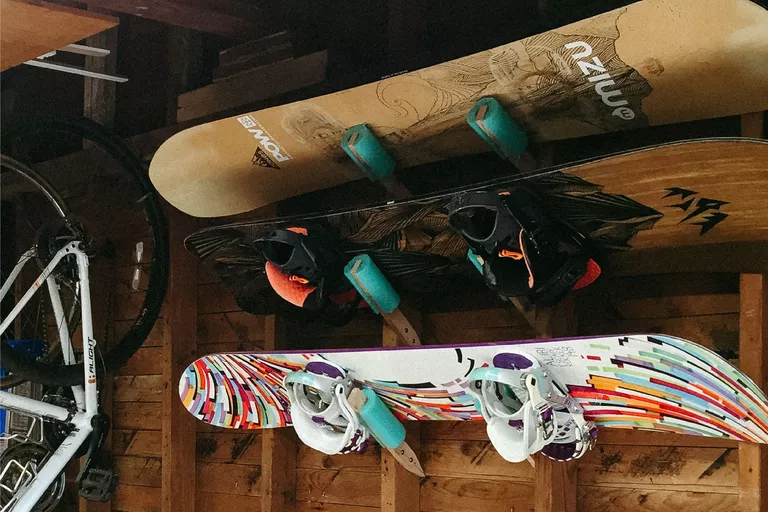
Why Off-Season Care Matters
Spring skiing introduces moisture, road salt, and grime that quietly break down gear over time. Magnesium chloride (a common road de-icer used across mountain states) is especially corrosive and often transfers from car racks and ski bags directly onto edges and bases.
When skis or boards are put away dirty or damp, corrosion and oxidation continue all summer long. Bases dry out, edges lose their bite, and what started as a minor issue becomes a full repair bill come fall.
That's why our techs treat spring as the final service window of the season. Not the end of it.
1. How Should I Clean My Skis or Snowboard Before Summer Storage?
Start with a full wipe-down using warm water and a mild soap. Focus on the base, edges, and binding area where road salt and magnesium chloride tend to collect. Dry everything completely with a soft cloth, especially the edges.
Why our techs recommend this:
Removing corrosive residue now stops edge oxidation before it starts. Every fall, we see skis with rust that developed simply because spring grime was left on all summer.
Avoid household cleaners or solvents. They can damage P-tex bases and weaken top sheets over time.
2. Should I Wax My Skis Before Summer Storage?
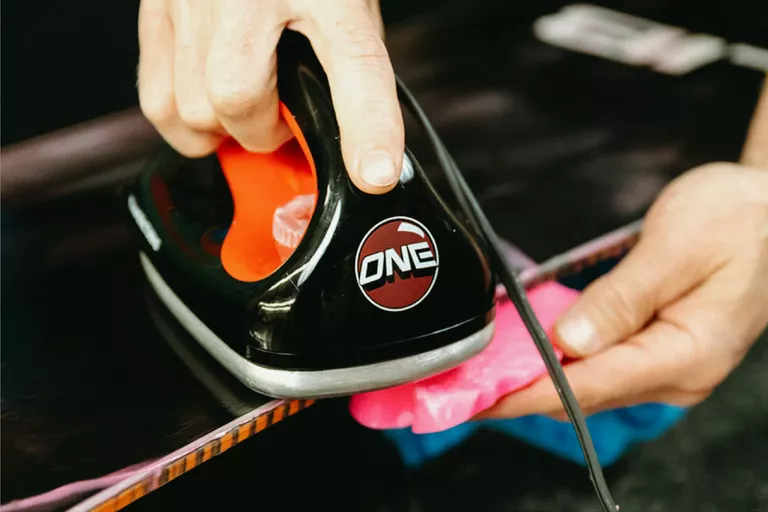
Yes. A proper storage wax is one of the most important steps you can take.
A thin, even layer of ski or snowboard wax should be applied to the base and edges and left on throughout the off-season. Don't scrape it off until your first tune next fall.
Why our techs recommend this:
Storage wax seals the base to prevent oxidation and protects edges from moisture in the air. Too much wax can trap dirt or affect base structure, which is why many skiers leave this step to professionals.
Our professional ski and snowboard tuning services include storage prep and a full inspection so small issues don't turn into fall surprises.
3. Where Is the Best Place to Store Skis and Snowboards?
Store gear in a cool, dry, and dark place inside your home. Closets and climate-controlled basements work best.
Avoid garages, sheds, and utility rooms, especially near furnaces or water heaters.
Why our techs recommend this:
Temperature swings and heat can cause top sheet delamination, base bubbling, and long-term camber loss. Many issues we see that only show up once the lifts start spinning again trace back to storage conditions, not time on snow.
If you're storing skis together, avoid over-tightening straps. If stored horizontally, make sure nothing heavy is stacked on top.
Storage Do's vs. Don'ts
Do:
- Store skis in a cool, dry indoor space
- Leave a layer of storage wax on
- Keep skis lightly strapped or certical
- Keep gear fully dry
Don't
- Store in garages or shreds
- Store with bare, dry bases
- Compress camber with tight straps
- Store damp gear in sealed bags
4. Can I Store Skis or Snowboards in a Travel Bag?
Travel bags are great for transport but not for long-term storage.
If you use a bag, make sure it's breathable and that gear is completely dry before storing it. Avoid airtight plastic bins.
Why our techs recommend this:
Trapped moisture creates a perfect environment for rust and mildew. Each fall, we see what techs call "carpet rust" from gear stored damp in bags all summer.
5. How Should I Store Ski Boots and Winter Accessories?
Boots should be completely dry, buckled loosely, and stored upright. Jackets and pants should be washed with a technical cleaner designed for waterproof fabrics like Gore-Tex. Regular detergents can clog breathable membranes and shorten garment life.
If water no longer beads on your outerwear, the DWR coating usually just needs refreshing, not replacing.
Why our techs recommend this:
Boot shells lose shape if left unbuckled. Liners break down faster when stored damp. Proper prep now prevents fit and odor issues next season.
Quick Pre-Storage Checklist
- Dry boots completely and buckle loosely
- Wash outerwear with technical cleaner
- Air-dry gloves, mittens, helmets, and goggles
- Store accessories in breathable bins or mesh bags
Still Skiing This Spring?
Spring conditions are hard on gear. Freeze-thaw cycles, wet snow, and road travel accelerate wear.
If you're still skiing in March or April, a professional tune before storage helps protect bases and edges before summer. You can also make the most of spring snow by checking out our 2026 Spring Skiing & Snowboarding Playbook.
When you're ready to store your gear, our service teams are here to help. A quick tune now protects your gear and makes those last spring laps smoother and faster.

Frequently Asked Questions About Summer Ski & Snowboard Storage
Should I buckle my ski boots for summer storage?
Yes. Ski boots should be buckled loosely during the off-season. Buckling them on the first or second notch helps the plastic shell retain its shape and alignment without stressing buckles or springs. Boots stored unbuckled are more likely to feel tight or misshapen when winter returns.
Can I store skis or snowboards in a garage?
Only if it's climate-controlled and stays dry year-round. Uninsulated garages experience temperature swings and humidity that accelerate edge rust, base oxidation, and material breakdown. If a garage is your only option, store skis vertically off the floor with a thick layer of storage wax.
Is it okay to store skis hanging on a wall or rack?
Yes, wall-mounted storage is safe when skis are supported in a neutral position. Vertical wall racks that keep skis off the ground and allow airflow work best. Avoid hooks or mounts that pinch the tips or force skis into an unnatural bend, which can affect camber and rocker over time.
Should I strap my skis together for summer storage?
Yes, but use two straps and don't tighten them too much. Place one strap near the tips and one near the tails to keep skis together while preserving their natural shape. Using a single strap in the middle can compress camber and lead to long-term deformation.
Do I need to scrape storage wax off before summer?
No. Storage wax should be left on all summer. This thick, unscraped layer protects the base from drying out and shields edges from moisture in the air. Scrape it off and tune your skis before your first day next season.
What happens if I store skis without waxing them?
Unwaxed bases can dry out and oxidize over time, leading to slower glide and more aggressive tuning needs later. Storage wax acts as a seal that preserves the base material and reduces corrosion on the edges.
Do I need to lower my binding DIN settings for storage?
No. Binding DIN settings shouldn't be adjusted for off-season storage. Modern bindings are designed to maintain spring tension. Changing DIN settings can affect calibration and release performance. If you have concerns, a professional inspection is recommended.
Can I store skis flat under a bed or couch?
Yes, as long as there's no pressure on the skis and the area stays dry. Skis should lie flat with nothing stacked on top of them. Avoid tight spaces that trap heat or moisture.
How long can skis be stored without being used?
Skis can be stored for many months or even years if they're properly cleaned, waxed, and stored in stable conditions. Most damage comes from moisture, heat, or pressure during storage, not from time alone.
When is the best time to tune skis for summer storage?
Late spring is ideal. Tuning after your final ski days allows technicians to address edge wear, base damage, and corrosion before summer humidity sets in. It also ensures your gear is ready to go when winter returns.
Take Care of Your Gear Now. Thank Yourself Next Season.
End-of-season care protects performance, extends lifespan, and saves money. A simple spring tune, proper cleaning, and smart storage prevent the most common issues our technicians see each fall.
Swing by your local Christy Sports for storage prep or a tune before you put gear away for the year. We'll make sure it's ready when winter returns.
Last Updated: March 17, 2026
Ski & Snowboard,
Services
Mar 17, 2026
5 tips for storing ski & snowboard gear in the off-season
The ski season may be winding down, but how you take care of your gear now directly affects how it performs next winter. Proper off-season storage isn't just about organization. It's one of the easiest ways to prevent rust, base oxidation, warped materials, and expensive surprises when snow returns.
Whether you're done skiing for the year or still chasing spring turns, end-of-season care matters. Each fall, our service teams see the same preventable issues walk through the door. Most of them start with how gear was stored the previous spring.
Here's how our technicians recommend cleaning, prepping, and storing skis, snowboards, boots, and winter accessories once the season wraps up.
Why Off-Season Care Matters
Spring skiing introduces moisture, road salt, and grime that quietly break down gear over time. Magnesium chloride (a common road de-icer used across mountain states) is especially corrosive and often transfers from car racks and ski bags directly onto edges and bases.
When skis or boards are put away dirty or damp, corrosion and oxidation continue all summer long. Bases dry out, edges lose their bite, and what started as a minor issue becomes a full repair bill come fall.
That's why our techs treat spring as the final service window of the season. Not the end of it.
1. How Should I Clean My Skis or Snowboard Before Summer Storage?
Start with a full wipe-down using warm water and a mild soap. Focus on the base, edges, and binding area where road salt and magnesium chloride tend to collect. Dry everything completely with a soft cloth, especially the edges.
Why our techs recommend this:
Removing corrosive residue now stops edge oxidation before it starts. Every fall, we see skis with rust that developed simply because spring grime was left on all summer.
Avoid household cleaners or solvents. They can damage P-tex bases and weaken top sheets over time.
2. Should I Wax My Skis Before Summer Storage?
Yes. A proper storage wax is one of the most important steps you can take.
A thin, even layer of ski or snowboard wax should be applied to the base and edges and left on throughout the off-season. Don't scrape it off until your first tune next fall.
Why our techs recommend this:
Storage wax seals the base to prevent oxidation and protects edges from moisture in the air. Too much wax can trap dirt or affect base structure, which is why many skiers leave this step to professionals.
Our professional ski and snowboard tuning services include storage prep and a full inspection so small issues don't turn into fall surprises.
3. Where Is the Best Place to Store Skis and Snowboards?
Store gear in a cool, dry, and dark place inside your home. Closets and climate-controlled basements work best.
Avoid garages, sheds, and utility rooms, especially near furnaces or water heaters.
Why our techs recommend this:
Temperature swings and heat can cause top sheet delamination, base bubbling, and long-term camber loss. Many issues we see that only show up once the lifts start spinning again trace back to storage conditions, not time on snow.
If you're storing skis together, avoid over-tightening straps. If stored horizontally, make sure nothing heavy is stacked on top.
Storage Do's vs. Don'ts
Do:
- Store skis in a cool, dry indoor space
- Leave a layer of storage wax on
- Keep skis lightly strapped or certical
- Keep gear fully dry
Don't
- Store in garages or shreds
- Store with bare, dry bases
- Compress camber with tight straps
- Store damp gear in sealed bags
4. Can I Store Skis or Snowboards in a Travel Bag?
Travel bags are great for transport but not for long-term storage.
If you use a bag, make sure it's breathable and that gear is completely dry before storing it. Avoid airtight plastic bins.
Why our techs recommend this:
Trapped moisture creates a perfect environment for rust and mildew. Each fall, we see what techs call "carpet rust" from gear stored damp in bags all summer.
5. How Should I Store Ski Boots and Winter Accessories?
Boots should be completely dry, buckled loosely, and stored upright. Jackets and pants should be washed with a technical cleaner designed for waterproof fabrics like Gore-Tex. Regular detergents can clog breathable membranes and shorten garment life.
If water no longer beads on your outerwear, the DWR coating usually just needs refreshing, not replacing.
Why our techs recommend this:
Boot shells lose shape if left unbuckled. Liners break down faster when stored damp. Proper prep now prevents fit and odor issues next season.
Quick Pre-Storage Checklist
- Dry boots completely and buckle loosely
- Wash outerwear with technical cleaner
- Air-dry gloves, mittens, helmets, and goggles
- Store accessories in breathable bins or mesh bags
Still Skiing This Spring?
Spring conditions are hard on gear. Freeze-thaw cycles, wet snow, and road travel accelerate wear.
If you're still skiing in March or April, a professional tune before storage helps protect bases and edges before summer. You can also make the most of spring snow by checking out our 2026 Spring Skiing & Snowboarding Playbook.
When you're ready to store your gear, our service teams are here to help. A quick tune now protects your gear and makes those last spring laps smoother and faster.
Frequently Asked Questions About Summer Ski & Snowboard Storage
Should I buckle my ski boots for summer storage?
Yes. Ski boots should be buckled loosely during the off-season. Buckling them on the first or second notch helps the plastic shell retain its shape and alignment without stressing buckles or springs. Boots stored unbuckled are more likely to feel tight or misshapen when winter returns.
Can I store skis or snowboards in a garage?
Only if it's climate-controlled and stays dry year-round. Uninsulated garages experience temperature swings and humidity that accelerate edge rust, base oxidation, and material breakdown. If a garage is your only option, store skis vertically off the floor with a thick layer of storage wax.
Is it okay to store skis hanging on a wall or rack?
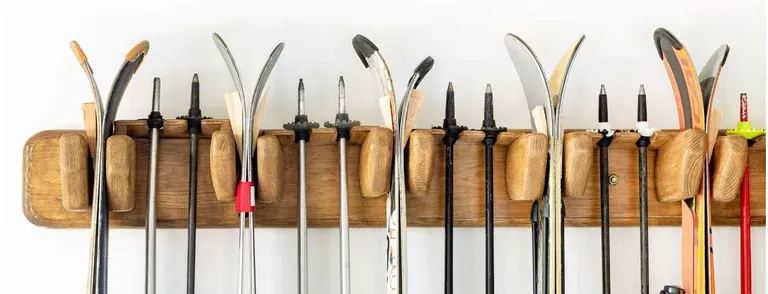
Yes, wall-mounted storage is safe when skis are supported in a neutral position. Vertical wall racks that keep skis off the ground and allow airflow work best. Avoid hooks or mounts that pinch the tips or force skis into an unnatural bend, which can affect camber and rocker over time.
Should I strap my skis together for summer storage?
Yes, but use two straps and don't tighten them too much. Place one strap near the tips and one near the tails to keep skis together while preserving their natural shape. Using a single strap in the middle can compress camber and lead to long-term deformation.
Do I need to scrape storage wax off before summer?
No. Storage wax should be left on all summer. This thick, unscraped layer protects the base from drying out and shields edges from moisture in the air. Scrape it off and tune your skis before your first day next season.
What happens if I store skis without waxing them?
Unwaxed bases can dry out and oxidize over time, leading to slower glide and more aggressive tuning needs later. Storage wax acts as a seal that preserves the base material and reduces corrosion on the edges.
Do I need to lower my binding DIN settings for storage?
No. Binding DIN settings shouldn't be adjusted for off-season storage. Modern bindings are designed to maintain spring tension. Changing DIN settings can affect calibration and release performance. If you have concerns, a professional inspection is recommended.
Can I store skis flat under a bed or couch?
Yes, as long as there's no pressure on the skis and the area stays dry. Skis should lie flat with nothing stacked on top of them. Avoid tight spaces that trap heat or moisture.
How long can skis be stored without being used?
Skis can be stored for many months or even years if they're properly cleaned, waxed, and stored in stable conditions. Most damage comes from moisture, heat, or pressure during storage, not from time alone.
When is the best time to tune skis for summer storage?
Late spring is ideal. Tuning after your final ski days allows technicians to address edge wear, base damage, and corrosion before summer humidity sets in. It also ensures your gear is ready to go when winter returns.
Take Care of Your Gear Now. Thank Yourself Next Season.
End-of-season care protects performance, extends lifespan, and saves money. A simple spring tune, proper cleaning, and smart storage prevent the most common issues our technicians see each fall.
Swing by your local Christy Sports for storage prep or a tune before you put gear away for the year. We'll make sure it's ready when winter returns.
Last Updated: March 17, 2026