Gear Guides,
Bike,
More Activities
Aug 14, 2026
Best Hiking & Trail Running Gear for Fall 2026: New Arrivals + Expert Picks
Last Updated: August 2026
Fall in the mountains means cooler mornings, quieter trails, and some of the best hiking conditions of the year, but it also means your kit needs to work harder. Trails get muddy, temperatures swing 30 degrees between sunrise and noon, and the wrong pair of shoes can turn a good afternoon into a soggy one. Below, we break down what to wear, what to pack, and which gear from our full hiking collection is worth adding to your kit for changing conditions across the Rocky Mountains and Pacific Northwest.
Fall Hiking Gear: Quick Recommendations
- Most Versatile Pick: Salomon X Ultra 5 Mid GORE-TEX
- Best Trail Runner: Salomon Speedcross 6 GORE-TEX
- Best Hiking Boot: KEEN Targhee IV
- Best Hiking Pack: Osprey Talon 22
- Best Sock Upgrade: Smartwool Hike Crew
- Most Versatile Layer: Rossignol Sidelhorn Packable Jacket
Full picks, sizing notes, and the reasoning behind each one are below.
Who This Guide Is For
Great for:
- Weekend hikers getting back on the trail after a summer lull
- Trips to national parks and public lands across the Mountain West
- Colorado fourteener attempts before the snow flies
- Leaf-peeping weekends in Colorado, Utah, Montana, and Washington
- Families planning shorter, kid-paced fall hikes
Why Trust Christy Sports
Christy Sports has outfitted hikers, trail runners, skiers, and mountain travelers across Colorado, Utah, Montana, and Washington since 1958. The gear featured in this guide reflects what our softgoods and footwear teams actually recommend for changing mountain weather, not just what's newest on the shelf. Our staff fits hiking footwear, tests layering systems, and answers gear questions in person at more than 50 stores throughout the Rocky Mountains and Pacific Northwest, and that hands-on experience shapes every pick below.
Jump to:
- Why Fall Is the Best Time to Hike
- What to Wear Hiking This Fall
- Best Hiking Footwear
- Best Layers for Changing Weather
- Hydration and Daypacks
- Trekking Poles
- Hiking Socks Worth Upgrading
- Trail Safety Essentials
- Trail Accessories Worth Packing
- Family Hiking Gear More
- New Fall Arrivals Worth a Look
- Fall Hiking Checklist
- Where to Hike This Fall
- Need Help Choosing? Frequently Asked Questions
Why Fall Is the Best Time to Hike
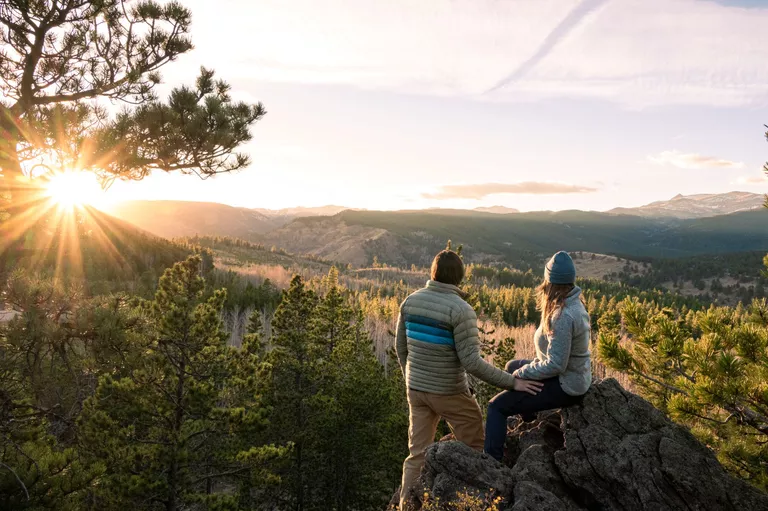
Late September through October delivers some of the year's best hiking, and not just for the aspens. Crowds thin out considerably after Labor Day, so popular trailheads that fill up by 8 a.m. in July suddenly have parking again. Mornings turn crisp enough for a light layer, afternoons stay mild, and the low-angle fall light makes for better photos than peak summer glare. The tradeoff is that conditions change fast at elevation across Colorado, Utah, Montana, and Washington. A sunny trailhead can turn windy and 20 degrees colder within a couple of miles, which is why the gear below leans toward versatility over anything single-purpose.
What to Wear Hiking This Fall
Fall hiking comes down to a simple layering system you can add to or strip away as conditions shift:
- Base layer: a moisture-wicking layer that won't hold onto sweat when temperatures drop
- Midlayer: something lightweight and packable, like a hoodie or fleece
- Shell: a waterproof or wind-resistant layer for the top of your pack, not just the closet
- Bottoms: hiking pants or shorts suited to the terrain and mileage
- Footwear: waterproof hiking shoes or boots once trails start holding moisture
- Socks: merino wool, not cotton, for temperature regulation and blister prevention
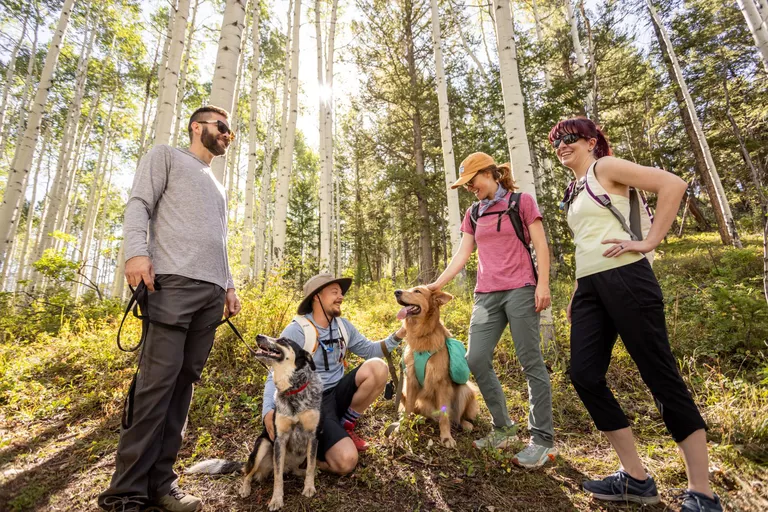
Layering is more effective than relying on one heavy jacket, since it lets you add or shed warmth as temperatures swing throughout a high-elevation hiking day.
Best Hiking Footwear
Waterproof footwear is the single most valuable gear upgrade for fall hiking. As trails get wetter and mornings turn cooler, it's one of the easiest and highest-impact upgrades you can make, especially at elevation, where trails hold morning moisture longer into the day.
Forsake Cascade Peak Low WP Hiking Shoes (Women's) Trail-ready traction paired with everyday comfort, making this shoe equally at home on mountain hikes, leaf-peeping walks, and weekend travel. View the Forsake Cascade Peak Low WP → Best for: everyday trail comfort with waterproof protection
Salomon Speedcross 6 GORE-TEX Trail Running Shoes (Men's) Aggressive traction and waterproof protection built for muddy trails, wet roots, and unpredictable fall weather. View the Salomon Speedcross 6 GORE-TEX → Best for: trail runners who need grip in sloppy conditions
Salomon X Ultra 5 Mid GORE-TEX Hiking Shoes (Women's and Men's) Lightweight support with dependable waterproof protection for everything from scenic day hikes to alpine adventures. Available in women's and men's. Best for: hikers who want speed without sacrificing stability
KEEN Targhee IV Waterproof Hiking Boots (Women's and Men's) Rugged durability meets waterproof protection for long hikes, weekend camping trips, and everyday trail use. Available in women's and men's. Best for: all-day comfort and ankle support on rocky terrain
If you only make one gear upgrade this fall, make it waterproof footwear. Shop our complete selection of hiking footwear, from Salomon and KEEN to Forsake, for the full lineup.
Best Layers for Changing Weather
Free Fly Elevate Hoodie (Men's) A lightweight layer with built-in UPF protection for cool mornings and sunny afternoons, equally suited to hiking, biking, or a day around town. View the Free Fly Elevate Hoodie →
Mountain Hardwear Sunshield Hoodie (Women's) UV exposure stays strong at elevation well into fall. This technical hoodie delivers breathable sun protection for hiking, backpacking, and alpine days. View the Mountain Hardwear Sunshield Hoodie →
Rossignol Sidelhorn Packable Jacket (Men's) Mountain weather turns quickly. This packable jacket stows small enough to live in your pack so wind, light rain, or a sudden temperature drop don't cut a hike short. View the Rossignol Sidelhorn Packable Jacket →
Hydration and Daypacks
CamelBak M.U.L.E. 5 Waist Pack A lumbar pack that keeps hydration and trail essentials close for shorter hikes and mountain bike rides, without the bulk of a full backpack. View the CamelBak M.U.L.E. 5 →
CamelBak Rogue Light 7 Hydration Pack A low-profile pack that carries water, snacks, and an extra layer for riders and hikers who don't want to feel weighed down. View the CamelBak Rogue Light 7 →
Hydro Flask 40 oz Wide Mouth Bottle Staying hydrated actually gets harder in cool weather, since people naturally drink less when they're not sweating as visibly. A large insulated bottle like the Hydro Flask 40 oz makes it easier to carry enough water for a full day outside while keeping it cold for hours. View the Hydro Flask 40 oz →
Osprey Talon 22 One of the most versatile daypacks available, comfortably carrying layers, water, snacks, and trail essentials for nearly any day hike. View the Osprey Talon 22 →
Osprey Daylite Pack A lightweight everyday pack that pulls double duty for hiking, travel, and commuting. View the Osprey Daylite Pack →
Osprey Daylite Junior Sized for younger adventurers, giving kids a comfortable way to carry their own snacks, water, and extra layer. View the Osprey Daylite Junior →
Shop our complete selection of hiking backpacks and daypacks or hydration packs and bottles from CamelBak, Osprey, and Hydro Flask.
Trekking Poles
Trekking poles matter more in fall than summer. Wet leaves and loose, muddy terrain make footing less predictable, and poles reduce the knee strain that builds up on long descents.
LEKI Makalu Lite AS Trekking Poles Lightweight poles built for long mountain days, reducing knee strain on descents and improving balance on uneven terrain. View the LEKI Makalu Lite AS →
Black Diamond Alpine Carbon Cork Trekking Poles Premium carbon fiber construction keeps weight low while cork grips add comfort on long hikes and backpacking trips. View the Black Diamond Alpine Carbon Cork →
Compare trekking poles from LEKI and Black Diamond side by side to find the right fit.
Hiking Socks Worth Upgrading
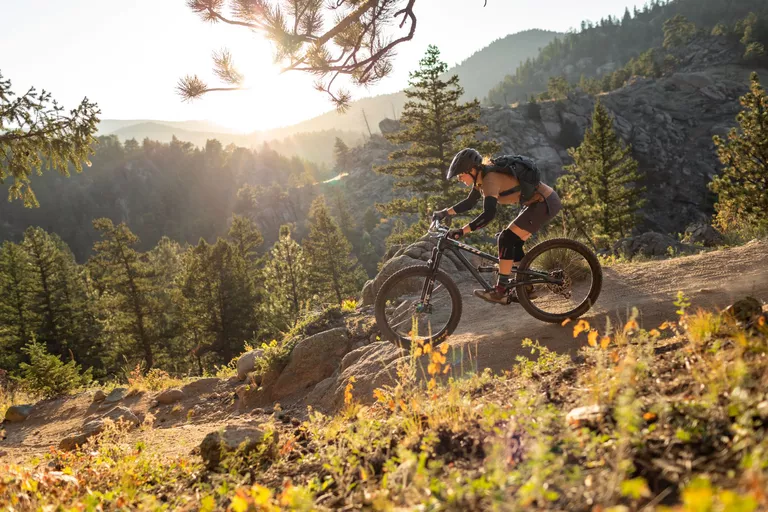
Merino wool outperforms cotton because it regulates temperature and keeps insulating even when damp, which matters on a fall hike where morning dew or a stream crossing can leave cotton socks cold and heavy for miles. The biggest comfort upgrade this season isn't new boots, it's merino wool socks.
- Darn Tough Light Hiker Quarter Lightweight Hiking Socks (Women's): naturally regulates temperature and manages moisture to help prevent blisters. View here →.
- Darn Tough Fastpack Micro Crew Lightweight Hiking Socks (Men's): built for high-mileage days with breathable, durable support. View here →.
- Smartwool Hike Crew Socks: merino wool comfort from cool trailheads to sunny summits, available in women's, men's, and kids.
Trail Safety Essentials
Shorter daylight hours make a few safety basics non-negotiable this time of year.
- Black Diamond Spot 400 Headlamp: reliable lighting for pre-sunrise starts or hikes that run past sunset. View here →.
- Black Diamond Cosmo 350 Headlamp: compact and dependable for camping or emergency backup lighting. View here →.
- Black Diamond Astro 300 Headlamp: a lightweight backup light easy to stash in any pack. View here →.
- Adventure Medical Mountain Day Tripper Lite Medical Kit: compact trail essentials for blisters, scrapes, and common injuries. View here →.
- Adventure Medical Trauma Pak with QuikClot: a smart addition for remote adventures, built to help manage serious injuries until help arrives. View here →.
- Mystery Ranch Bear Spray Holster: keeps bear spray accessible in bear country, which matters as much as carrying it in the first place. View here →.
- Suunto A-10 Partner II Compass: phones lose service and run out of battery. A compass doesn't. View here →.
Shop headlamps and hiking lights from Black Diamond or browse hiking accessories for first aid kits, bear spray holsters, and more.
10 Essentials for Every Fall Hike
- Water or hydration pack
- Snacks
- Navigation (map or compass)
- Rain jacket
- Extra insulating layer
- Headlamp
- First aid kit
- Sun protection
- Emergency blanket
- Fully charged phone and backup battery
Trail Accessories Worth Packing
- Smith Riptide Polarized Sunglasses: cut glare and improve visibility on long, exposed trail stretches. View here →.
- Nomadix Mini Towel: compact and quick drying, useful for wiping off sweat or drying up after a creek crossing. View here →.
- Pistil Viva Trucker Hat (Women's): sun protection with easy mountain style for hiking, travel, and everyday wear. View here →.
Explore hiking sunglasses for more polarized options.
Family Hiking Gear
- Columbia Arcadia Jacket (Girls): lightweight, waterproof, and packable, ready for afternoon showers. View here →.
- Columbia Fork Stream Hoodie (Kids): just enough warmth for cool mornings and crisp evenings on the trail. View here →.
- Columbia Steens Mountain II Fleece Jacket (Boys): a versatile fleece that adds cozy warmth without bulk. View here →.
A few tips for hiking with kids this fall: dress them in layers they can add or shed themselves, pack extra snacks and water, let them help pick the route or lead a stretch of trail, and plan shorter outings with plenty of built-in breaks. Small milestones (a creek crossing, a summit, a good rock to climb) go a long way toward keeping everyone engaged. Shop our complete kids' gear shop for more options.
More New Fall Arrivals Worth a Look
This guide focuses on the technical side of fall hiking, but the same layering logic carries over once you're back in town. This season's fall assortment brings in a wider mix worth a look, too:
- Women's: new arrivals from Roxy and Halfdays
- Men's: new pieces from Boulder Gear, Picture, Volcom, and 686, alongside Patagonia and Kuhl
- The Alpineer and Telluride Main Street: an exclusive fall lineup from Roark, Sendero, Fjallraven, Howler Bros, and Jetty
- Footwear: casual boots and clogs from Blundstone, Danner, and Fubuki Clogs, a nice complement to the technical trail shoes above
Fall Hiking Checklist
A few habits that make fall hikes go more smoothly:
- Check the National Weather Service forecast before you leave. Mornings can be brisk and mountain storms still roll in fast, even in late summer.
- Start early. Shorter daylight hours mean less margin for a late start, and early starts mean quieter trails.
- Expect bigger temperature swings than summer and pack layers accordingly.
- Choose waterproof footwear once trails start holding moisture from rain or morning dew.
- Follow Leave No Trace principles, especially around water sources and wildlife. Fall's quieter trails see more animal activity, including elk in the rut, not less.
Where to Hike This Fall
Colorado's high country, Utah's canyons, and Montana's wooded valleys all put on a show from late September through October. A few beginner-friendly options worth the drive: Bear Creek in Telluride, Booth Falls in Vail, and Emerald Mountain in Steamboat Springs all offer clear, well-marked routes with strong fall scenery. Looking for more options closer to home? Check out our guide to 14 Super-Fun, Beginner-Friendly Hikes in Colorado.
Christy Sports has locations across Colorado, Utah, Montana, and Washington (including Sturtevant's in Bellevue and Tacoma), so wherever fall takes you, there's likely a store nearby stocked with what you need. Find a Christy Sports store near you.
Need Help Choosing?
Not sure what you need? Stop by your nearest Christy Sports location. Our staff can help fit hiking footwear, recommend the right pack size, and build a layering system suited to your specific trip, whether that's a Colorado fourteener or a weekend in Utah's canyon country. Find a Christy Sports store near you.
Whether you're chasing aspens in Colorado, exploring Utah's canyon country, or hiking forest trails in Washington and Montana, the right gear makes every mile more enjoyable. Stop by your local Christy Sports store or shop online to find footwear, layers, packs, and trail essentials selected for mountain conditions throughout the West.
Frequently Asked Questions
What should I wear hiking in the fall? A layering system works best: a moisture-wicking base layer, a lightweight midlayer like a hoodie or fleece, and a waterproof or wind-resistant shell you can pack away when you don't need it. Add waterproof footwear and merino wool socks once trails start holding moisture, since temperatures can swing 20 to 30 degrees between a fall morning and afternoon at elevation.
What is the best footwear for fall hiking? Waterproof hiking shoes or boots are the most important upgrade for fall. Trail running shoes like the Salomon Speedcross 6 GORE-TEX work well for faster-paced hikes on muddy terrain, while boots like the KEEN Targhee IV offer more ankle support for longer days with a loaded pack.
Are hiking boots or trail running shoes better for fall hikes? It depends on the terrain and pace. Trail running shoes are lighter and better suited to faster hikes or shorter trips, while boots like the KEEN Targhee IV offer more ankle support and structure for longer days, heavier packs, or rockier terrain. Many hikers keep both on hand and choose based on the specific trail.
Should hiking boots be waterproof? For fall hiking, yes. Trails hold more moisture from rain, morning dew, and stream crossings as temperatures drop, and waterproof construction like GORE-TEX keeps feet dry and warm in conditions that would soak a non-waterproof shoe.
Do I need trekking poles for fall hiking? Trekking poles aren't required, but they help significantly on wet or leaf-covered trails where footing gets less predictable. They also reduce knee strain on descents, which matters more as fall trails trend toward looser, muddier terrain.
What should be in a basic hiking safety kit? At minimum, pack a headlamp, a first aid kit, a way to navigate that doesn't depend on cell service (map or compass), sun protection, an emergency blanket, and a fully charged phone with a backup battery. Shorter fall daylight hours make a headlamp especially worth carrying, even on hikes you expect to finish before dark.
How much water should I bring on a fall hike? A common starting guideline is about half a liter of water per hour of moderate hiking, adjusted upward for heat, altitude, or higher exertion. Cool fall temperatures can mask how much water you're actually losing, since people tend to drink less when they're not visibly sweating, so it's worth packing more than feels necessary.
Where can I hike near a Christy Sports location this fall? Beginner-friendly options include Bear Creek in Telluride, Booth Falls in Vail, and Emerald Mountain in Steamboat Springs. For a longer list of easy Colorado trails paired with gear recommendations, see our beginner-friendly hikes guide.
What's the best daypack for fall hikes? The Osprey Talon 22 is a versatile option that comfortably carries layers, water, and trail essentials for most day hikes. For shorter outings or mountain bike rides, a lumbar pack like the CamelBak M.U.L.E. 5 keeps hydration close without the bulk of a full pack.
Last Updated: August 14, 2026
Gear Guides,
Bike,
More Activities
Aug 14, 2026
Best Hiking & Trail Running Gear for Fall 2026: New Arrivals + Expert Picks
Last Updated: August 2026
Fall in the mountains means cooler mornings, quieter trails, and some of the best hiking conditions of the year, but it also means your kit needs to work harder. Trails get muddy, temperatures swing 30 degrees between sunrise and noon, and the wrong pair of shoes can turn a good afternoon into a soggy one. Below, we break down what to wear, what to pack, and which gear from our full hiking collection is worth adding to your kit for changing conditions across the Rocky Mountains and Pacific Northwest.
Fall Hiking Gear: Quick Recommendations
- Most Versatile Pick: Salomon X Ultra 5 Mid GORE-TEX
- Best Trail Runner: Salomon Speedcross 6 GORE-TEX
- Best Hiking Boot: KEEN Targhee IV
- Best Hiking Pack: Osprey Talon 22
- Best Sock Upgrade: Smartwool Hike Crew
- Most Versatile Layer: Rossignol Sidelhorn Packable Jacket
Full picks, sizing notes, and the reasoning behind each one are below.
Who This Guide Is For
Great for:
- Weekend hikers getting back on the trail after a summer lull
- Trips to national parks and public lands across the Mountain West
- Colorado fourteener attempts before the snow flies
- Leaf-peeping weekends in Colorado, Utah, Montana, and Washington
- Families planning shorter, kid-paced fall hikes
Why Trust Christy Sports
Christy Sports has outfitted hikers, trail runners, skiers, and mountain travelers across Colorado, Utah, Montana, and Washington since 1958. The gear featured in this guide reflects what our softgoods and footwear teams actually recommend for changing mountain weather, not just what's newest on the shelf. Our staff fits hiking footwear, tests layering systems, and answers gear questions in person at more than 50 stores throughout the Rocky Mountains and Pacific Northwest, and that hands-on experience shapes every pick below.
Jump to:
- Why Fall Is the Best Time to Hike
- What to Wear Hiking This Fall
- Best Hiking Footwear
- Best Layers for Changing Weather
- Hydration and Daypacks
- Trekking Poles
- Hiking Socks Worth Upgrading
- Trail Safety Essentials
- Trail Accessories Worth Packing
- Family Hiking Gear More
- New Fall Arrivals Worth a Look
- Fall Hiking Checklist
- Where to Hike This Fall
- Need Help Choosing? Frequently Asked Questions
Why Fall Is the Best Time to Hike
Late September through October delivers some of the year's best hiking, and not just for the aspens. Crowds thin out considerably after Labor Day, so popular trailheads that fill up by 8 a.m. in July suddenly have parking again. Mornings turn crisp enough for a light layer, afternoons stay mild, and the low-angle fall light makes for better photos than peak summer glare. The tradeoff is that conditions change fast at elevation across Colorado, Utah, Montana, and Washington. A sunny trailhead can turn windy and 20 degrees colder within a couple of miles, which is why the gear below leans toward versatility over anything single-purpose.
What to Wear Hiking This Fall
Fall hiking comes down to a simple layering system you can add to or strip away as conditions shift:
- Base layer: a moisture-wicking layer that won't hold onto sweat when temperatures drop
- Midlayer: something lightweight and packable, like a hoodie or fleece
- Shell: a waterproof or wind-resistant layer for the top of your pack, not just the closet
- Bottoms: hiking pants or shorts suited to the terrain and mileage
- Footwear: waterproof hiking shoes or boots once trails start holding moisture
- Socks: merino wool, not cotton, for temperature regulation and blister prevention
Layering is more effective than relying on one heavy jacket, since it lets you add or shed warmth as temperatures swing throughout a high-elevation hiking day.
Best Hiking Footwear
Waterproof footwear is the single most valuable gear upgrade for fall hiking. As trails get wetter and mornings turn cooler, it's one of the easiest and highest-impact upgrades you can make, especially at elevation, where trails hold morning moisture longer into the day.
Forsake Cascade Peak Low WP Hiking Shoes (Women's) Trail-ready traction paired with everyday comfort, making this shoe equally at home on mountain hikes, leaf-peeping walks, and weekend travel. View the Forsake Cascade Peak Low WP → Best for: everyday trail comfort with waterproof protection
Salomon Speedcross 6 GORE-TEX Trail Running Shoes (Men's) Aggressive traction and waterproof protection built for muddy trails, wet roots, and unpredictable fall weather. View the Salomon Speedcross 6 GORE-TEX → Best for: trail runners who need grip in sloppy conditions
Salomon X Ultra 5 Mid GORE-TEX Hiking Shoes (Women's and Men's) Lightweight support with dependable waterproof protection for everything from scenic day hikes to alpine adventures. Available in women's and men's. Best for: hikers who want speed without sacrificing stability
KEEN Targhee IV Waterproof Hiking Boots (Women's and Men's) Rugged durability meets waterproof protection for long hikes, weekend camping trips, and everyday trail use. Available in women's and men's. Best for: all-day comfort and ankle support on rocky terrain
If you only make one gear upgrade this fall, make it waterproof footwear. Shop our complete selection of hiking footwear, from Salomon and KEEN to Forsake, for the full lineup.
Best Layers for Changing Weather
Free Fly Elevate Hoodie (Men's) A lightweight layer with built-in UPF protection for cool mornings and sunny afternoons, equally suited to hiking, biking, or a day around town. View the Free Fly Elevate Hoodie →
Mountain Hardwear Sunshield Hoodie (Women's) UV exposure stays strong at elevation well into fall. This technical hoodie delivers breathable sun protection for hiking, backpacking, and alpine days. View the Mountain Hardwear Sunshield Hoodie →
Rossignol Sidelhorn Packable Jacket (Men's) Mountain weather turns quickly. This packable jacket stows small enough to live in your pack so wind, light rain, or a sudden temperature drop don't cut a hike short. View the Rossignol Sidelhorn Packable Jacket →
Hydration and Daypacks
CamelBak M.U.L.E. 5 Waist Pack A lumbar pack that keeps hydration and trail essentials close for shorter hikes and mountain bike rides, without the bulk of a full backpack. View the CamelBak M.U.L.E. 5 →
CamelBak Rogue Light 7 Hydration Pack A low-profile pack that carries water, snacks, and an extra layer for riders and hikers who don't want to feel weighed down. View the CamelBak Rogue Light 7 →
Hydro Flask 40 oz Wide Mouth Bottle Staying hydrated actually gets harder in cool weather, since people naturally drink less when they're not sweating as visibly. A large insulated bottle like the Hydro Flask 40 oz makes it easier to carry enough water for a full day outside while keeping it cold for hours. View the Hydro Flask 40 oz →
Osprey Talon 22 One of the most versatile daypacks available, comfortably carrying layers, water, snacks, and trail essentials for nearly any day hike. View the Osprey Talon 22 →
Osprey Daylite Pack A lightweight everyday pack that pulls double duty for hiking, travel, and commuting. View the Osprey Daylite Pack →
Osprey Daylite Junior Sized for younger adventurers, giving kids a comfortable way to carry their own snacks, water, and extra layer. View the Osprey Daylite Junior →
Shop our complete selection of hiking backpacks and daypacks or hydration packs and bottles from CamelBak, Osprey, and Hydro Flask.
Trekking Poles
Trekking poles matter more in fall than summer. Wet leaves and loose, muddy terrain make footing less predictable, and poles reduce the knee strain that builds up on long descents.
LEKI Makalu Lite AS Trekking Poles Lightweight poles built for long mountain days, reducing knee strain on descents and improving balance on uneven terrain. View the LEKI Makalu Lite AS →
Black Diamond Alpine Carbon Cork Trekking Poles Premium carbon fiber construction keeps weight low while cork grips add comfort on long hikes and backpacking trips. View the Black Diamond Alpine Carbon Cork →
Compare trekking poles from LEKI and Black Diamond side by side to find the right fit.
Hiking Socks Worth Upgrading
Merino wool outperforms cotton because it regulates temperature and keeps insulating even when damp, which matters on a fall hike where morning dew or a stream crossing can leave cotton socks cold and heavy for miles. The biggest comfort upgrade this season isn't new boots, it's merino wool socks.
- Darn Tough Light Hiker Quarter Lightweight Hiking Socks (Women's): naturally regulates temperature and manages moisture to help prevent blisters. View here →.
- Darn Tough Fastpack Micro Crew Lightweight Hiking Socks (Men's): built for high-mileage days with breathable, durable support. View here →.
- Smartwool Hike Crew Socks: merino wool comfort from cool trailheads to sunny summits, available in women's, men's, and kids.
Trail Safety Essentials
Shorter daylight hours make a few safety basics non-negotiable this time of year.
- Black Diamond Spot 400 Headlamp: reliable lighting for pre-sunrise starts or hikes that run past sunset. View here →.
- Black Diamond Cosmo 350 Headlamp: compact and dependable for camping or emergency backup lighting. View here →.
- Black Diamond Astro 300 Headlamp: a lightweight backup light easy to stash in any pack. View here →.
- Adventure Medical Mountain Day Tripper Lite Medical Kit: compact trail essentials for blisters, scrapes, and common injuries. View here →.
- Adventure Medical Trauma Pak with QuikClot: a smart addition for remote adventures, built to help manage serious injuries until help arrives. View here →.
- Mystery Ranch Bear Spray Holster: keeps bear spray accessible in bear country, which matters as much as carrying it in the first place. View here →.
- Suunto A-10 Partner II Compass: phones lose service and run out of battery. A compass doesn't. View here →.
Shop headlamps and hiking lights from Black Diamond or browse hiking accessories for first aid kits, bear spray holsters, and more.
10 Essentials for Every Fall Hike
- Water or hydration pack
- Snacks
- Navigation (map or compass)
- Rain jacket
- Extra insulating layer
- Headlamp
- First aid kit
- Sun protection
- Emergency blanket
- Fully charged phone and backup battery
Trail Accessories Worth Packing
- Smith Riptide Polarized Sunglasses: cut glare and improve visibility on long, exposed trail stretches. View here →.
- Nomadix Mini Towel: compact and quick drying, useful for wiping off sweat or drying up after a creek crossing. View here →.
- Pistil Viva Trucker Hat (Women's): sun protection with easy mountain style for hiking, travel, and everyday wear. View here →.
Explore hiking sunglasses for more polarized options.
Family Hiking Gear
- Columbia Arcadia Jacket (Girls): lightweight, waterproof, and packable, ready for afternoon showers. View here →.
- Columbia Fork Stream Hoodie (Kids): just enough warmth for cool mornings and crisp evenings on the trail. View here →.
- Columbia Steens Mountain II Fleece Jacket (Boys): a versatile fleece that adds cozy warmth without bulk. View here →.
A few tips for hiking with kids this fall: dress them in layers they can add or shed themselves, pack extra snacks and water, let them help pick the route or lead a stretch of trail, and plan shorter outings with plenty of built-in breaks. Small milestones (a creek crossing, a summit, a good rock to climb) go a long way toward keeping everyone engaged. Shop our complete kids' gear shop for more options.
More New Fall Arrivals Worth a Look
This guide focuses on the technical side of fall hiking, but the same layering logic carries over once you're back in town. This season's fall assortment brings in a wider mix worth a look, too:
- Women's: new arrivals from Roxy and Halfdays
- Men's: new pieces from Boulder Gear, Picture, Volcom, and 686, alongside Patagonia and Kuhl
- The Alpineer and Telluride Main Street: an exclusive fall lineup from Roark, Sendero, Fjallraven, Howler Bros, and Jetty
- Footwear: casual boots and clogs from Blundstone, Danner, and Fubuki Clogs, a nice complement to the technical trail shoes above
Fall Hiking Checklist
A few habits that make fall hikes go more smoothly:
- Check the National Weather Service forecast before you leave. Mornings can be brisk and mountain storms still roll in fast, even in late summer.
- Start early. Shorter daylight hours mean less margin for a late start, and early starts mean quieter trails.
- Expect bigger temperature swings than summer and pack layers accordingly.
- Choose waterproof footwear once trails start holding moisture from rain or morning dew.
- Follow Leave No Trace principles, especially around water sources and wildlife. Fall's quieter trails see more animal activity, including elk in the rut, not less.
Where to Hike This Fall
Colorado's high country, Utah's canyons, and Montana's wooded valleys all put on a show from late September through October. A few beginner-friendly options worth the drive: Bear Creek in Telluride, Booth Falls in Vail, and Emerald Mountain in Steamboat Springs all offer clear, well-marked routes with strong fall scenery. Looking for more options closer to home? Check out our guide to 14 Super-Fun, Beginner-Friendly Hikes in Colorado.
Christy Sports has locations across Colorado, Utah, Montana, and Washington (including Sturtevant's in Bellevue and Tacoma), so wherever fall takes you, there's likely a store nearby stocked with what you need. Find a Christy Sports store near you.
Need Help Choosing?
Not sure what you need? Stop by your nearest Christy Sports location. Our staff can help fit hiking footwear, recommend the right pack size, and build a layering system suited to your specific trip, whether that's a Colorado fourteener or a weekend in Utah's canyon country. Find a Christy Sports store near you.
Whether you're chasing aspens in Colorado, exploring Utah's canyon country, or hiking forest trails in Washington and Montana, the right gear makes every mile more enjoyable. Stop by your local Christy Sports store or shop online to find footwear, layers, packs, and trail essentials selected for mountain conditions throughout the West.
Frequently Asked Questions
What should I wear hiking in the fall? A layering system works best: a moisture-wicking base layer, a lightweight midlayer like a hoodie or fleece, and a waterproof or wind-resistant shell you can pack away when you don't need it. Add waterproof footwear and merino wool socks once trails start holding moisture, since temperatures can swing 20 to 30 degrees between a fall morning and afternoon at elevation.
What is the best footwear for fall hiking? Waterproof hiking shoes or boots are the most important upgrade for fall. Trail running shoes like the Salomon Speedcross 6 GORE-TEX work well for faster-paced hikes on muddy terrain, while boots like the KEEN Targhee IV offer more ankle support for longer days with a loaded pack.
Are hiking boots or trail running shoes better for fall hikes? It depends on the terrain and pace. Trail running shoes are lighter and better suited to faster hikes or shorter trips, while boots like the KEEN Targhee IV offer more ankle support and structure for longer days, heavier packs, or rockier terrain. Many hikers keep both on hand and choose based on the specific trail.
Should hiking boots be waterproof? For fall hiking, yes. Trails hold more moisture from rain, morning dew, and stream crossings as temperatures drop, and waterproof construction like GORE-TEX keeps feet dry and warm in conditions that would soak a non-waterproof shoe.
Do I need trekking poles for fall hiking? Trekking poles aren't required, but they help significantly on wet or leaf-covered trails where footing gets less predictable. They also reduce knee strain on descents, which matters more as fall trails trend toward looser, muddier terrain.
What should be in a basic hiking safety kit? At minimum, pack a headlamp, a first aid kit, a way to navigate that doesn't depend on cell service (map or compass), sun protection, an emergency blanket, and a fully charged phone with a backup battery. Shorter fall daylight hours make a headlamp especially worth carrying, even on hikes you expect to finish before dark.
How much water should I bring on a fall hike? A common starting guideline is about half a liter of water per hour of moderate hiking, adjusted upward for heat, altitude, or higher exertion. Cool fall temperatures can mask how much water you're actually losing, since people tend to drink less when they're not visibly sweating, so it's worth packing more than feels necessary.
Where can I hike near a Christy Sports location this fall? Beginner-friendly options include Bear Creek in Telluride, Booth Falls in Vail, and Emerald Mountain in Steamboat Springs. For a longer list of easy Colorado trails paired with gear recommendations, see our beginner-friendly hikes guide.
What's the best daypack for fall hikes? The Osprey Talon 22 is a versatile option that comfortably carries layers, water, and trail essentials for most day hikes. For shorter outings or mountain bike rides, a lumbar pack like the CamelBak M.U.L.E. 5 keeps hydration close without the bulk of a full pack.
Last Updated: August 14, 2026