Ski & Snowboard,
Services
Oct 22, 2026
Is Your Gear Ready for Opening Day? A Preseason Gear Check
By Christy Sports Team
Last Updated: October 2026
The countdown’s on. The snowmaking guns are running, and your skis or board have been chilling in the garage since spring. Before your first chair this season, give your gear fifteen minutes on the living room floor.
A sticky base, dull edges or boots that turn your toes into frozen chicken nuggets by lunch are all easier to sort out now than in the parking lot. Work through it in this order: bases and edges, bindings, boots, helmet.
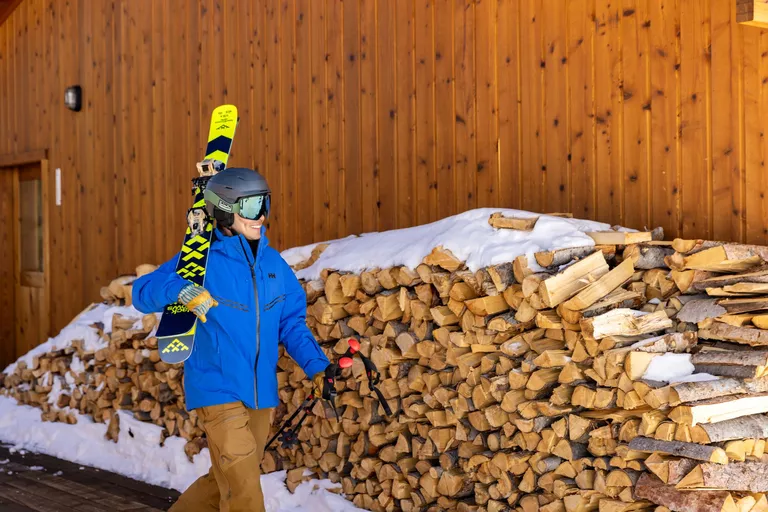
Bases, edges and last spring’s storage wax
If your gear went into storage with a thick coat of storage wax, nice work. It kept the bases protected over the summer.
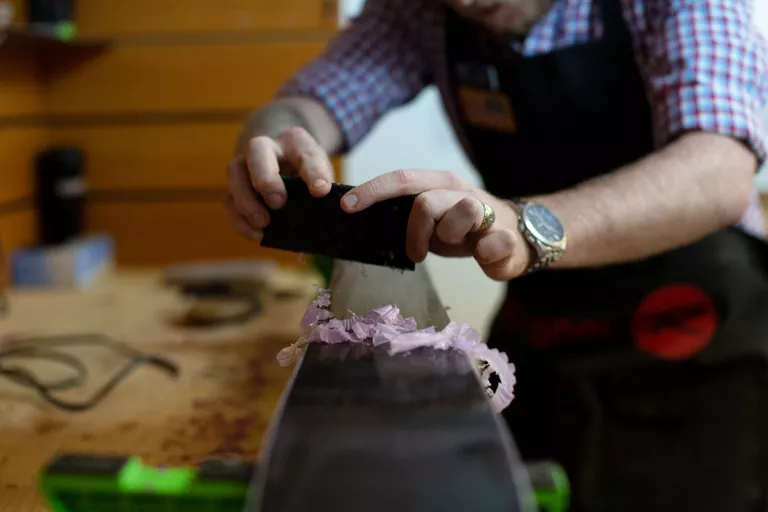
Before your first day, let your skis or board come up to room temperature, then use a plastic scraper to remove the storage wax, working from tip to tail. Follow with a nylon base brush, again from tip to tail, to clear the remaining wax out of the base structure. Then put on a fresh coat of wax for the conditions you’ll be skiing or riding in.
If you’d rather leave the preseason prep to a pro, check out our ski and snowboard tuning and repair services and find a Christy Sports or Sturtevant’s store near you to see what’s available at your location.
Didn’t store it waxed? The base check below will tell you if it’s ready for a fresh coat.
Once the base is clear, take a good look.
Edges. Run the top of your fingernail across the edge in three to five spots, inside and outside edges both. If the edge lightly grabs or shaves your nail, it’s sharp. If your nail slides off smoothly, like the edge is rounded, it’s dull. Also look for orange rust spots and burrs, the rough patches that snag.
Bases. Dry, chalky or whitish patches are a sign the base could use wax. Small scratches are normal. Deep gouges are different, especially if the core is exposed. Get those repaired before you ride.
A gummi stone takes care of a small burr or a touch of surface rust. Dull edges all the way along and serious base damage are a job for a tech.
Wax vs. tune: what’s the deal?
We get this question a lot. Wax is about glide. A tune goes further, addressing your edges and base as needed, along with fresh wax.
If your gear feels sticky or slow, or the base looks chalky, it probably just needs wax. If it won’t hold an edge, or it looks like it fought a rock garden and lost, it’s time for a tune. One heads-up for opening day: early-season and man-made snow pull wax off faster than you’d expect.
For how often to wax or tune once the season gets going, the Mid-Winter Gear Check goes deeper.
Bindings
Ski bindings
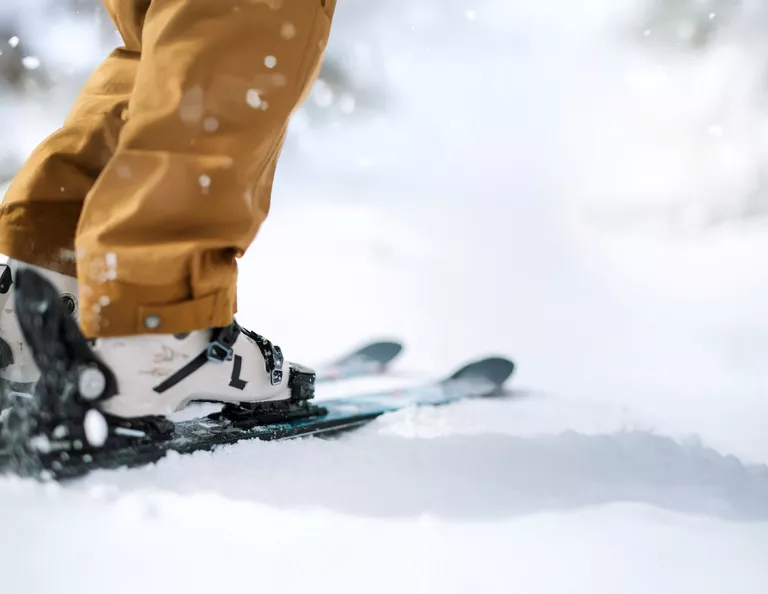
Give them a quick look. Cracked plastic, loose or missing screws, grit packed into the toe or heel and brakes that don’t snap back cleanly all mean it’s time for a tech to take a closer look.
Leave the release settings alone. Adjusting them and safety testing the result is work for a trained technician, and it’s a separate service on our tuning and repair menu, so ask for it by name. Bring your boots. They’re needed for a binding adjustment and safety test.
New boots since last season? Have the pairing checked. Many newer boots use GripWalk soles, which need GripWalk-compatible bindings. Just because a boot clicks into a binding doesn’t mean the combination is compatible or will release correctly. Our ski binding guide explains the sole standards.
Snowboard bindings
Snug up the mounting screws, make sure the straps and ratchets grab and release the way they should, and look over the highbacks and baseplates for cracks. A screw that keeps backing out, a stripped insert or anything broken is shop work.
Boots
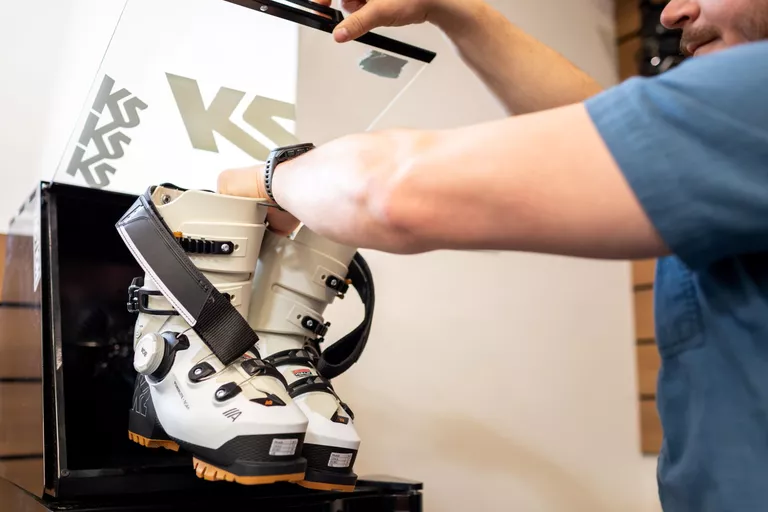
You could have the best skis or board on the hill, but if your boots don’t fit right, your day is gonna be rough. Think back to last season. Heel lift. Numb toes. Pressure points that had you unbuckling at lunch. Cranking the buckles tighter every week because the liner packed out.
None of that automatically means new boots. Our fitters can heat-mold liners, stretch or grind shells and build custom footbeds, and sometimes a new liner in a good shell is all it takes. Start with our custom boot fitting services.
On ski boots, check the hardware too: cracks in the shell, broken or bent buckles and worn-down toe and heel pieces. That last one matters more than people think. Plastic worn down from walking may not release properly from bindings.
Stick with one pair of ski socks. Thick socks can take up valuable room inside the boot and make fit problems worse. Our boot fitters recommend thinner merino wool, and it’s worth bringing your favorite pair to a fitting.
If your boots really are ready for retirement, our Best Ski Boots and Bindings for 2026/27 guide can help you start comparing replacements.
Helmet
Did you take a real hit last season? Replace a helmet after a significant impact, even if you can’t see obvious damage.
Otherwise, look for cracks in the shell and dents or soft spots in the liner, and make sure the straps, buckle and fit dial all work. Put it on. It should feel snug without pressure points and shouldn’t rock when you shake your head.
Helmets also age, and replacement timing varies by brand, so check your manufacturer’s guidance. Our guide on when to replace your ski helmet has more.
Preseason Ski & Snowboard Gear FAQs
How do I get my skis or snowboard ready for the first day of the season?
Start with your bases and edges. Look for dry or chalky spots, rust, burrs and deeper damage, then make sure your gear is freshly waxed. Next, look over your bindings for loose, cracked or damaged parts. Check your boots for fit and wear, and inspect your helmet for damage. Basic cleaning, waxing and visual checks can happen at home. Binding adjustments, safety testing and significant base or edge damage are jobs for a trained technician.
Do I need to remove storage wax before skiing or snowboarding?
Yes. Storage wax protects your ski or snowboard base during the off-season, but it should be removed before you ride. Let your gear come up to room temperature, then use a plastic scraper to remove the wax from tip to tail. Follow with a nylon base brush, again working from tip to tail, to clear wax from the base structure. Finish with a fresh coat of wax for the conditions you’ll be skiing or riding in.
How can I tell if my skis or snowboard need wax?
Take a look at the base. Dry, chalky or whitish patches are signs that it could use wax. Your gear may also need a fresh coat if it feels sticky or noticeably slow on snow. Wax helps your skis or snowboard glide; it won’t fix dull edges or significant base damage. If you’re not sure what your gear needs, our ski and snowboard tuning and repair services are a good place to start.
How do I know if my skis or snowboard need to be tuned?
If your skis or board won’t hold an edge, the edges are dull or damaged, or the base has deep gouges or exposed core material, it’s time to have a technician take a look. A small burr or light surface rust may be manageable at home, but significant edge or base damage needs more than a fresh coat of wax. A tune addresses the edges and base as needed, along with fresh wax.
Should I adjust my ski bindings myself?
No. Leave binding release settings and safety testing to a trained ski technician. The settings are part of a system that includes your bindings and boots, and changing them yourself can affect how the bindings release. If your bindings need an adjustment or safety test, bring the ski boots you’ll actually be using with them. You can learn more about available services on our ski and snowboard tuning and repair page.
Are GripWalk boots compatible with all ski bindings?
No. Ski boots with GripWalk soles need bindings that are compatible with GripWalk. A boot clicking into a binding doesn’t necessarily mean the combination is compatible or will release correctly. If you changed boots or bindings since last season—or you’re unsure what you have—get the pairing checked before you ski. Our ski binding guide explains the different boot-sole and binding standards.
When should I replace my ski or snowboard helmet?
Replace your helmet after a significant impact, even if you can’t see a crack. You should also replace it if you find cracks in the shell, dents or soft spots in the liner, or problems with the straps, buckle or fit system. Helmet replacement recommendations also vary by manufacturer and age, so check the guidance for your specific helmet. For more, read our guide to when to replace your ski helmet.
Can I tune my skis or snowboard at home?
You can handle some basic maintenance at home if you have the right tools and know-how. Waxing, removing light surface rust or a small burr, checking snowboard binding screws and inspecting your gear for damage are reasonable DIY jobs. Binding adjustments and safety testing, core shots, major base damage and badly dull or damaged edges belong with a trained technician. Find a Christy Sports or Sturtevant’s store near you to see what services are available at your location.
What to handle at home, and when to bring it in
Plenty of this is yours to handle. Dry your gear after every day instead of tossing it in a wet car (that’s how you get rusty edges), keep it somewhere cool and dry, and wax it yourself if you’ve got the setup and like doing it. Our off-season ski and snowboard storage tips cover the spring side of the routine.
Some things belong with a shop: binding adjustments and safety testing, core shots, base grinds, edges that are badly dull or damaged, and boot fit problems that don’t go away. Same for anything you’re not sure you can do right.
Do it before opening weekend, not the week everyone else remembers their gear has been in the garage since April. Check out our ski and snowboard tuning and repair services, then find a Christy Sports or Sturtevant’s store near you and we’ll help you figure out what your gear needs.
And if your preseason check turns into a replacement list, start with our 2026/27 Winter Gear Guide for this season’s picks for skis, snowboards, boots, bindings and more.
Then go back to refreshing the snow report.
Ski & Snowboard,
Services
Oct 22, 2026
Is Your Gear Ready for Opening Day? A Preseason Gear Check
By Christy Sports Team
Last Updated: October 2026
The countdown’s on. The snowmaking guns are running, and your skis or board have been chilling in the garage since spring. Before your first chair this season, give your gear fifteen minutes on the living room floor.
A sticky base, dull edges or boots that turn your toes into frozen chicken nuggets by lunch are all easier to sort out now than in the parking lot. Work through it in this order: bases and edges, bindings, boots, helmet.
Bases, edges and last spring’s storage wax
If your gear went into storage with a thick coat of storage wax, nice work. It kept the bases protected over the summer.
Before your first day, let your skis or board come up to room temperature, then use a plastic scraper to remove the storage wax, working from tip to tail. Follow with a nylon base brush, again from tip to tail, to clear the remaining wax out of the base structure. Then put on a fresh coat of wax for the conditions you’ll be skiing or riding in.
If you’d rather leave the preseason prep to a pro, check out our ski and snowboard tuning and repair services and find a Christy Sports or Sturtevant’s store near you to see what’s available at your location.
Didn’t store it waxed? The base check below will tell you if it’s ready for a fresh coat.
Once the base is clear, take a good look.
Edges. Run the top of your fingernail across the edge in three to five spots, inside and outside edges both. If the edge lightly grabs or shaves your nail, it’s sharp. If your nail slides off smoothly, like the edge is rounded, it’s dull. Also look for orange rust spots and burrs, the rough patches that snag.
Bases. Dry, chalky or whitish patches are a sign the base could use wax. Small scratches are normal. Deep gouges are different, especially if the core is exposed. Get those repaired before you ride.
A gummi stone takes care of a small burr or a touch of surface rust. Dull edges all the way along and serious base damage are a job for a tech.
Wax vs. tune: what’s the deal?
We get this question a lot. Wax is about glide. A tune goes further, addressing your edges and base as needed, along with fresh wax.
If your gear feels sticky or slow, or the base looks chalky, it probably just needs wax. If it won’t hold an edge, or it looks like it fought a rock garden and lost, it’s time for a tune. One heads-up for opening day: early-season and man-made snow pull wax off faster than you’d expect.
For how often to wax or tune once the season gets going, the Mid-Winter Gear Check goes deeper.
Bindings
Ski bindings
Give them a quick look. Cracked plastic, loose or missing screws, grit packed into the toe or heel and brakes that don’t snap back cleanly all mean it’s time for a tech to take a closer look.
Leave the release settings alone. Adjusting them and safety testing the result is work for a trained technician, and it’s a separate service on our tuning and repair menu, so ask for it by name. Bring your boots. They’re needed for a binding adjustment and safety test.
New boots since last season? Have the pairing checked. Many newer boots use GripWalk soles, which need GripWalk-compatible bindings. Just because a boot clicks into a binding doesn’t mean the combination is compatible or will release correctly. Our ski binding guide explains the sole standards.
Snowboard bindings
Snug up the mounting screws, make sure the straps and ratchets grab and release the way they should, and look over the highbacks and baseplates for cracks. A screw that keeps backing out, a stripped insert or anything broken is shop work.
Boots
You could have the best skis or board on the hill, but if your boots don’t fit right, your day is gonna be rough. Think back to last season. Heel lift. Numb toes. Pressure points that had you unbuckling at lunch. Cranking the buckles tighter every week because the liner packed out.
None of that automatically means new boots. Our fitters can heat-mold liners, stretch or grind shells and build custom footbeds, and sometimes a new liner in a good shell is all it takes. Start with our custom boot fitting services.
On ski boots, check the hardware too: cracks in the shell, broken or bent buckles and worn-down toe and heel pieces. That last one matters more than people think. Plastic worn down from walking may not release properly from bindings.
Stick with one pair of ski socks. Thick socks can take up valuable room inside the boot and make fit problems worse. Our boot fitters recommend thinner merino wool, and it’s worth bringing your favorite pair to a fitting.
If your boots really are ready for retirement, our Best Ski Boots and Bindings for 2026/27 guide can help you start comparing replacements.
Helmet
Did you take a real hit last season? Replace a helmet after a significant impact, even if you can’t see obvious damage.
Otherwise, look for cracks in the shell and dents or soft spots in the liner, and make sure the straps, buckle and fit dial all work. Put it on. It should feel snug without pressure points and shouldn’t rock when you shake your head.
Helmets also age, and replacement timing varies by brand, so check your manufacturer’s guidance. Our guide on when to replace your ski helmet has more.
Preseason Ski & Snowboard Gear FAQs
How do I get my skis or snowboard ready for the first day of the season?
Start with your bases and edges. Look for dry or chalky spots, rust, burrs and deeper damage, then make sure your gear is freshly waxed. Next, look over your bindings for loose, cracked or damaged parts. Check your boots for fit and wear, and inspect your helmet for damage. Basic cleaning, waxing and visual checks can happen at home. Binding adjustments, safety testing and significant base or edge damage are jobs for a trained technician.
Do I need to remove storage wax before skiing or snowboarding?
Yes. Storage wax protects your ski or snowboard base during the off-season, but it should be removed before you ride. Let your gear come up to room temperature, then use a plastic scraper to remove the wax from tip to tail. Follow with a nylon base brush, again working from tip to tail, to clear wax from the base structure. Finish with a fresh coat of wax for the conditions you’ll be skiing or riding in.
How can I tell if my skis or snowboard need wax?
Take a look at the base. Dry, chalky or whitish patches are signs that it could use wax. Your gear may also need a fresh coat if it feels sticky or noticeably slow on snow. Wax helps your skis or snowboard glide; it won’t fix dull edges or significant base damage. If you’re not sure what your gear needs, our ski and snowboard tuning and repair services are a good place to start.
How do I know if my skis or snowboard need to be tuned?
If your skis or board won’t hold an edge, the edges are dull or damaged, or the base has deep gouges or exposed core material, it’s time to have a technician take a look. A small burr or light surface rust may be manageable at home, but significant edge or base damage needs more than a fresh coat of wax. A tune addresses the edges and base as needed, along with fresh wax.
Should I adjust my ski bindings myself?
No. Leave binding release settings and safety testing to a trained ski technician. The settings are part of a system that includes your bindings and boots, and changing them yourself can affect how the bindings release. If your bindings need an adjustment or safety test, bring the ski boots you’ll actually be using with them. You can learn more about available services on our ski and snowboard tuning and repair page.
Are GripWalk boots compatible with all ski bindings?
No. Ski boots with GripWalk soles need bindings that are compatible with GripWalk. A boot clicking into a binding doesn’t necessarily mean the combination is compatible or will release correctly. If you changed boots or bindings since last season—or you’re unsure what you have—get the pairing checked before you ski. Our ski binding guide explains the different boot-sole and binding standards.
When should I replace my ski or snowboard helmet?
Replace your helmet after a significant impact, even if you can’t see a crack. You should also replace it if you find cracks in the shell, dents or soft spots in the liner, or problems with the straps, buckle or fit system. Helmet replacement recommendations also vary by manufacturer and age, so check the guidance for your specific helmet. For more, read our guide to when to replace your ski helmet.
Can I tune my skis or snowboard at home?
You can handle some basic maintenance at home if you have the right tools and know-how. Waxing, removing light surface rust or a small burr, checking snowboard binding screws and inspecting your gear for damage are reasonable DIY jobs. Binding adjustments and safety testing, core shots, major base damage and badly dull or damaged edges belong with a trained technician. Find a Christy Sports or Sturtevant’s store near you to see what services are available at your location.
What to handle at home, and when to bring it in
Plenty of this is yours to handle. Dry your gear after every day instead of tossing it in a wet car (that’s how you get rusty edges), keep it somewhere cool and dry, and wax it yourself if you’ve got the setup and like doing it. Our off-season ski and snowboard storage tips cover the spring side of the routine.
Some things belong with a shop: binding adjustments and safety testing, core shots, base grinds, edges that are badly dull or damaged, and boot fit problems that don’t go away. Same for anything you’re not sure you can do right.
Do it before opening weekend, not the week everyone else remembers their gear has been in the garage since April. Check out our ski and snowboard tuning and repair services, then find a Christy Sports or Sturtevant’s store near you and we’ll help you figure out what your gear needs.
And if your preseason check turns into a replacement list, start with our 2026/27 Winter Gear Guide for this season’s picks for skis, snowboards, boots, bindings and more.
Then go back to refreshing the snow report.